













5 Personal Length Measurement Conversion Guide Stories That Helped Me
I didn’t start out caring much about measurement conversions. Like most people, I assumed I’d either memorize a few formulas or rely on a calculator when necessary. But over time, I realized something unexpected: the moments when I struggled with conversions were often tied to real-life situations—moments that carried pressure, embarrassment, or even small victories. These experiences shaped how I understand and remember length conversions far better than any textbook ever could.
This article isn’t just a guide. It’s a collection of lived situations, lessons hidden inside mistakes, and practical tools that came from experience rather than theory. If you’ve ever mixed up inches and centimeters, underestimated distance, or struggled to quickly convert units, you might see yourself in these stories.
Story 1: The day I bought curtains that didn’t fit
It started with excitement. I had just moved into a new place and wanted everything to feel perfect. The windows looked bare, and I decided to order curtains online. The measurements on the website were in inches, while my tape measure showed centimeters.
I remember thinking, “It’s fine. I’ll just estimate.”
That decision cost me both time and money.
The window width was about 150 cm. Instead of properly converting, I guessed it was around 50 inches. In reality, 150 cm is closer to 59 inches. When the curtains arrived, they looked awkward—too narrow, leaving gaps on both sides.
That moment taught me something simple but powerful:
Never guess when converting.
What I learned:
– 1 inch = 2.54 cm is not just a formula, it’s a safety net
– Small miscalculations become big visual mistakes
– Conversions matter most when precision matters
Practical takeaway:
Write down common conversions and keep them visible when measuring. Even better, convert once and double-check before purchasing anything.
Story 2: The school project that exposed my confusion
Back in school, I had to build a model bridge. The instructions were given in meters, but the materials were labeled in centimeters and millimeters. At first glance, it seemed easy—until I started cutting pieces.
I confused 0.5 meters with 5 cm. That mistake completely ruined the structure. The pieces didn’t align, and the bridge collapsed under minimal weight.
I remember the embarrassment of presenting something fragile while others had sturdy designs.
But that failure gave me clarity:
Units are not just numbers—they represent scale.
What I learned:
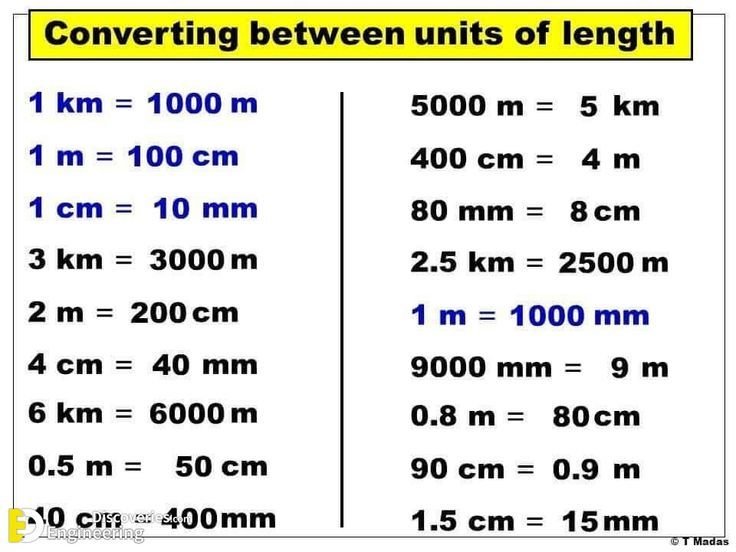
– 1 meter = 100 cm
– 1 cm = 10 mm
– Misplacing a decimal changes everything
Practical takeaway:
Always align units before working. If instructions are in meters, convert everything into meters first—or vice versa. Consistency prevents confusion.
Story 3: The road trip where distance fooled me
During a road trip with friends, we were planning how long it would take to reach our destination. The distance was given as 120 miles, but we were used to thinking in kilometers.
Someone quickly said, “That’s about 150 km, right?”
It wasn’t.
120 miles is roughly 193 kilometers. That underestimation meant we misjudged fuel needs and arrival time. What we thought would be a short drive turned into a much longer journey.
It wasn’t a disaster—but it was inconvenient enough to make me rethink casual conversions.
What I learned:
– 1 mile ≈ 1.609 km
– Rough guesses can lead to poor planning
– Travel requires accurate distance understanding
Practical takeaway:
When dealing with travel, always convert precisely or use reliable tools. Even small percentage errors can stretch into hours.
Story 4: The tailoring mistake that taught precision
I once took fabric to a tailor and gave measurements in inches. The tailor worked primarily in centimeters. I didn’t clarify this, assuming they would convert correctly.
The result? A shirt that was noticeably tighter than expected.
The chest measurement had been slightly off due to rounding during conversion. Just a couple of centimeters made the difference between comfort and discomfort.
That experience showed me how sensitive measurements can be in clothing.
What I learned:
– Human body measurements require exactness
– Even 1–2 cm difference can affect fit
– Communication matters as much as calculation
Practical takeaway:
When working with professionals, confirm units clearly. Don’t assume. Ask: “Are these measurements in inches or centimeters?”
Story 5: The furniture assembly puzzle
Flat-pack furniture is already a challenge, but unit confusion makes it worse. I remember assembling a shelf where instructions used millimeters, while my measuring tape highlighted centimeters.
At first, I ignored the difference. Then parts didn’t align.
For example:
300 mm is 30 cm, but if you treat it as 300 cm—even mentally—it completely distorts perception.
That small misunderstanding led to drilling holes in the wrong place.
What I learned:
– Millimeters are often used for precision engineering
– 10 mm = 1 cm
– Ignoring unit scale leads to irreversible mistakes
Practical takeaway:
When working with tools or assembly instructions, convert everything into one unit system before starting.
How these stories changed my approach
After going through these situations, I stopped seeing conversions as abstract math. Instead, I started seeing them as practical tools tied to real outcomes.
I built a simple personal system:
- Anchor conversions in memory
– 1 inch = 2.54 cm
– 1 meter = 100 cm
– 1 mile ≈ 1.6 km - Always standardize units before working
- Double-check before final decisions
- Use tools when speed matters
The goal isn’t to memorize everything—it’s to avoid preventable mistakes.
A simple conversion mindset that works
Instead of trying to remember dozens of formulas, I now rely on a layered approach:
Step 1: Identify the units involved
Step 2: Convert everything into a base unit (like meters)
Step 3: Convert into the desired unit
This two-step method reduces confusion and builds confidence.
For example:
To convert inches to meters:
– First convert inches to centimeters
– Then centimeters to meters
It might seem longer, but it’s more reliable.
Why personal experience matters more than memorization
Textbooks teach formulas, but they don’t show consequences. When you’ve made a mistake that costs money, time, or effort, the lesson sticks.
Each story above became a mental reference point. Now when I see inches, I remember the curtain incident. When I see millimeters, I think about furniture assembly.
This emotional connection makes recall faster and more natural.
Practical exercises you can try
To make conversions easier in your daily life, try these:
Exercise 1:
Measure your room in meters and convert it to feet.
Exercise 2:
Take a common object (like a phone) and estimate its length in inches, then verify in centimeters.
Exercise 3:
Look at a map and convert distances between kilometers and miles.
These small habits build long-term confidence.
Common mistakes to avoid
– Guessing instead of calculating
– Mixing units without noticing
– Ignoring decimal points
– Rounding too early
– Assuming others are using the same units
Avoiding these mistakes alone will improve your accuracy significantly.
FAQs
- What is the easiest way to remember length conversions?
Focus on a few anchor values like 1 inch = 2.54 cm and build from there. Repetition through real-life use helps more than memorization alone. - Why do people struggle with unit conversions?
Because units represent scale, not just numbers. Without understanding the relationship between units, it’s easy to misinterpret values. - Should I memorize all conversion formulas?
No. Memorize only the most common ones and rely on tools or step-by-step conversion for the rest. - How can I avoid mistakes in practical situations?
Always standardize units before working and double-check your conversions before making decisions. - Are online converters reliable?
Yes, most are accurate. However, understanding the basics helps you catch errors and build confidence. - What’s the biggest mistake beginners make?
Guessing instead of calculating. Even rough estimates should be based on known conversion values.
Closing reflection
Looking back, none of these stories were about math alone. They were about attention, awareness, and learning through experience. Length conversion isn’t just a technical skill—it’s a practical one that quietly influences daily life.
Once you start noticing it, you realize how often measurements shape decisions. And when you get them right, everything fits—literally and figuratively.