












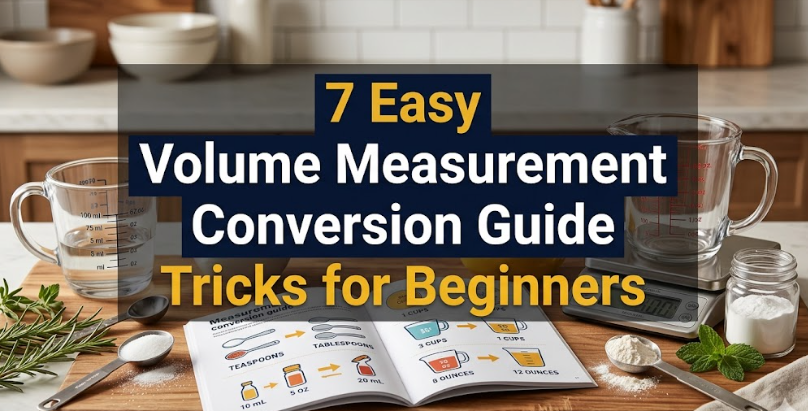

7 Easy Volume Measurement Conversion Guide Tricks for Beginners
If you’ve ever stood in a kitchen staring at a recipe that says “add 250 ml” while your measuring cup only shows cups, you already know the quiet frustration that comes with volume conversions. It’s not that the math is impossible—it’s that in real life, you don’t want to pause everything just to calculate. You want something quicker, something that feels natural.
This guide isn’t just about formulas. It’s about patterns, memory shortcuts, and small tricks that settle into your routine until conversions become almost automatic. Think of it less like studying and more like learning how to “feel” measurements the way experienced cooks, students, and professionals do.
Below are seven easy tricks that beginners can rely on, along with examples, relatable situations, and simple ways to remember them without stress.
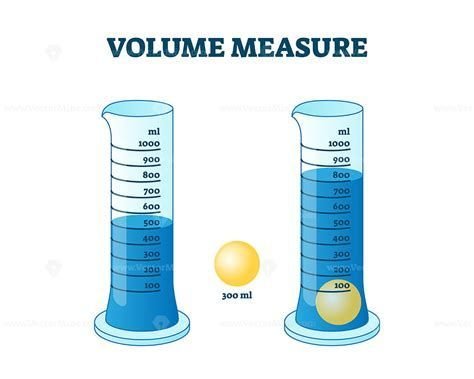
- Start with one anchor: 1 liter = 1000 milliliters
Every system has a foundation, and for volume, this is yours. If you remember nothing else, remember this:
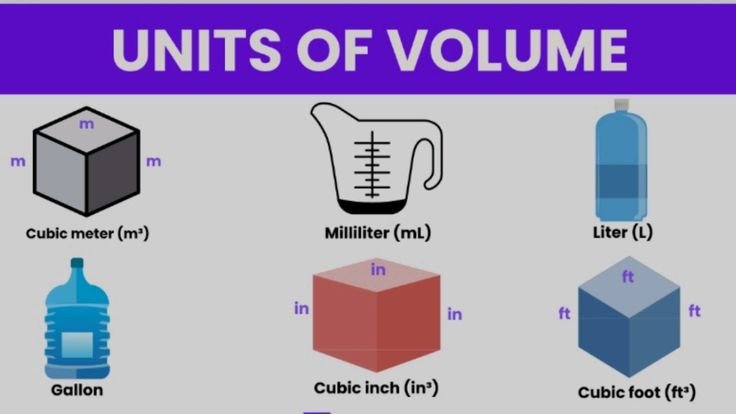
1 liter = 1000 milliliters
That’s it. This single relationship unlocks almost everything else.
Instead of memorizing dozens of conversions, you can break them down from here. For example:
- 500 ml is half a liter
- 250 ml is a quarter liter
- 750 ml is three-quarters of a liter
Imagine a water bottle. A typical large bottle is often 1 liter. Half of it? 500 ml. A quarter? 250 ml. Suddenly, numbers turn into visuals.
Try this small exercise:
Picture pouring juice into a 1-liter bottle. Stop halfway—500 ml. Pour just enough to fill a glass—that’s roughly 250 ml. This mental image sticks better than memorizing numbers.
- Use everyday objects as mental measuring tools
Beginners often struggle because numbers feel abstract. But your daily life is full of hidden measuring references.
Here are a few common ones:
- A standard glass of water ≈ 250 ml
- A small tea cup ≈ 150–200 ml
- A soda can ≈ 330 ml
- A large water bottle ≈ 1 liter
Once you link measurements to familiar items, conversions become intuitive.
Let’s say a recipe calls for 500 ml of milk. Instead of calculating, you think: “That’s about two glasses.” Done.
Or if you need 750 ml of water, imagine:
- 3 glasses (3 × 250 ml = 750 ml)
No calculator, no stress.
This trick is especially powerful because it builds instinct rather than dependence on exact math.
- Learn the “kitchen trio”: teaspoons, tablespoons, cups
When working with smaller volumes, especially in cooking, three units dominate:
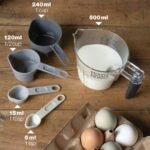
- 1 teaspoon ≈ 5 ml
- 1 tablespoon ≈ 15 ml
- 1 cup ≈ 240 ml (approximate)
Instead of treating them separately, think of them as a connected system:
- 1 tablespoon = 3 teaspoons
- 1 cup = 16 tablespoons
Now you can move between them easily.
Example:
If a recipe asks for 30 ml of oil:
- 30 ml ÷ 15 = 2 tablespoons
If it asks for 10 ml:
- 10 ml ≈ 2 teaspoons
You don’t need to memorize every number—just remember the relationships.
A helpful memory line:
“5, 15, 240” → teaspoon, tablespoon, cup
Say it a few times, and it sticks.
- Use fractions instead of exact conversions
One of the easiest ways to simplify conversions is to think in fractions rather than precise numbers.
For example:
- 250 ml ≈ 1 cup
- 500 ml ≈ 2 cups
- 125 ml ≈ ½ cup
Instead of converting 375 ml exactly, think:
- 375 ml ≈ 1½ cups
This is especially useful in cooking, where perfection isn’t always necessary.
Let’s say a recipe needs 600 ml of water. You could calculate precisely, or you could think:
- 500 ml (2 cups) + a little extra ≈ 600 ml
That “little extra” is often good enough.
Fractions make conversions human. They reduce pressure and speed things up.
- Round smartly, not perfectly
Beginners often get stuck trying to be exact. But in most everyday situations, smart rounding works just fine.
Examples:
- 240 ml ≈ 250 ml
- 1 liter ≈ 4 cups (even though it’s slightly more)
Why does this matter?
Because speed matters more than perfection in real life.
If you’re baking a delicate cake, you might need precision. But if you’re making soup, tea, or a smoothie, small differences don’t matter.
Try this mindset:
“Close enough to work” is often better than “perfect but slow.”
For instance:
If you need 1 liter and only have a 250 ml cup:
- Just fill it 4 times
Even though 4 cups = 960 ml, it’s close enough for most uses.
- Convert in steps, not all at once
Big conversions can feel overwhelming. The trick is to break them into smaller, familiar steps.
Example:
Convert 2 liters to cups.
Step 1: 1 liter ≈ 4 cups
Step 2: 2 liters ≈ 8 cups
Simple.
Another example:
Convert 750 ml to tablespoons.
Step 1: 1 tablespoon ≈ 15 ml
Step 2: 750 ÷ 15 = 50 tablespoons
Instead of panicking, you just move step by step.
This method works especially well when:
- You don’t remember a direct conversion
- You feel stuck
- You want to avoid mistakes
Think of it like walking across a river using stepping stones instead of trying to jump across in one go.
- Practice with real-life scenarios, not just numbers
The final trick is the most important: practice conversions in situations that actually matter to you.
Instead of solving random math problems, try things like:
Cooking:
You have a recipe that needs 300 ml of milk, but your cup is 250 ml. What do you do?
Answer:
1 full cup + a small extra amount
Drinking:
You want to drink 2 liters of water a day. Your bottle is 500 ml.
Answer:
Drink 4 bottles
Shopping:
A juice carton is 1.5 liters. How many glasses (250 ml each)?
Answer:
1500 ÷ 250 = 6 glasses
These scenarios train your brain to think practically, not academically.
Over time, you’ll stop “calculating” and start “knowing.”
Bringing it all together
Volume conversion isn’t about memorizing endless charts. It’s about building a small set of reliable mental tools:
- One anchor (1 L = 1000 ml)
- Familiar objects (glass, bottle, cup)
- Core kitchen units (tsp, tbsp, cup)
- Fractions and rounding
- Step-by-step thinking
- Real-life practice
Once these become part of your thinking, conversions stop feeling like work.
They become something you just do.
Frequently Asked Questions (FAQs)
- What is the easiest way to remember volume conversions?
Start with one key relationship: 1 liter = 1000 milliliters. Then connect other measurements to it gradually. Pair numbers with real-life objects like bottles and cups to make them easier to recall.
- Is it okay to round measurements in cooking?
Yes, in most cases. For everyday cooking like soups or drinks, small differences won’t matter. However, for baking, more precise measurements are usually better.
- How many milliliters are in a cup?
A standard cup is approximately 240 ml. Many people round it to 250 ml for simplicity, which works fine in most situations.
- How can I convert quickly without a calculator?
Use mental shortcuts like:
- 250 ml ≈ 1 cup
- 500 ml ≈ 2 cups
- 1 tablespoon ≈ 15 ml
Also, break conversions into smaller steps instead of doing everything at once.
- Why do different countries use different volume units?
Measurement systems developed differently across regions. Some use metric units (liters, milliliters), while others use customary units (cups, ounces). That’s why conversion skills are useful.
- How long does it take to get comfortable with conversions?
With regular use in daily tasks like cooking or measuring liquids, most beginners become comfortable within a few days to a couple of weeks. The key is consistent, practical use rather than memorization.