

































12 Ultimate Length Measurement Conversion Guide Examples Explained
Understanding length measurement conversions is more than memorizing numbers—it’s about developing a sense of scale, context, and application. Whether you are a student, engineer, traveler, tailor, or simply someone trying to measure space accurately, conversions are part of everyday thinking. This guide explores twelve practical, real-world examples, blending explanation with reasoning, so you don’t just know conversions—you understand them.
- converting meters to centimeters in everyday use
Imagine you are measuring the height of a table: 1.2 meters. In many practical situations—especially in classrooms or workshops—centimeters are more convenient.
Since 1 meter equals 100 centimeters, the conversion becomes intuitive:
1.2 meters = 120 centimeters
What makes this important is precision. Saying “1.2 meters” is fine, but “120 centimeters” provides a clearer mental picture. When dealing with smaller objects, centimeters feel more tangible.
Practical reflection:
If a notebook is 30 cm tall, you can instantly visualize that four notebooks stacked would roughly equal 1.2 meters.
- converting kilometers to meters for distance tracking
Suppose you jog 3 kilometers daily. Fitness apps often display distances in meters.
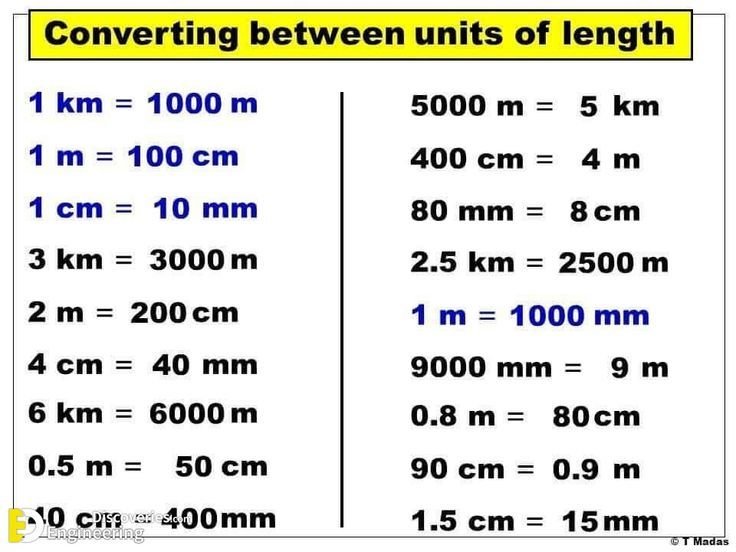
1 kilometer = 1000 meters
3 km = 3000 meters
This conversion helps when tracking performance in smaller increments. For example, running 500 meters feels more manageable than thinking in fractions of a kilometer.
Insight:
Breaking large distances into smaller units makes goals psychologically easier.
- converting inches to centimeters for tailoring
Clothing measurements often mix systems. A shirt sleeve might be 32 inches, but fabric is measured in centimeters.
1 inch = 2.54 cm
32 inches = 81.28 cm
Tailors rely on such conversions to maintain accuracy across international sizing standards.
Real-life connection:
A small error in conversion can mean the difference between a perfect fit and an uncomfortable garment.
- converting feet to meters in construction
Construction workers frequently switch between feet and meters depending on project standards.
1 foot = 0.3048 meters
10 feet = 3.048 meters
Why this matters:
Blueprints may use metric units, while workers measure physically in feet. Understanding both ensures structural accuracy.
- converting miles to kilometers for travel
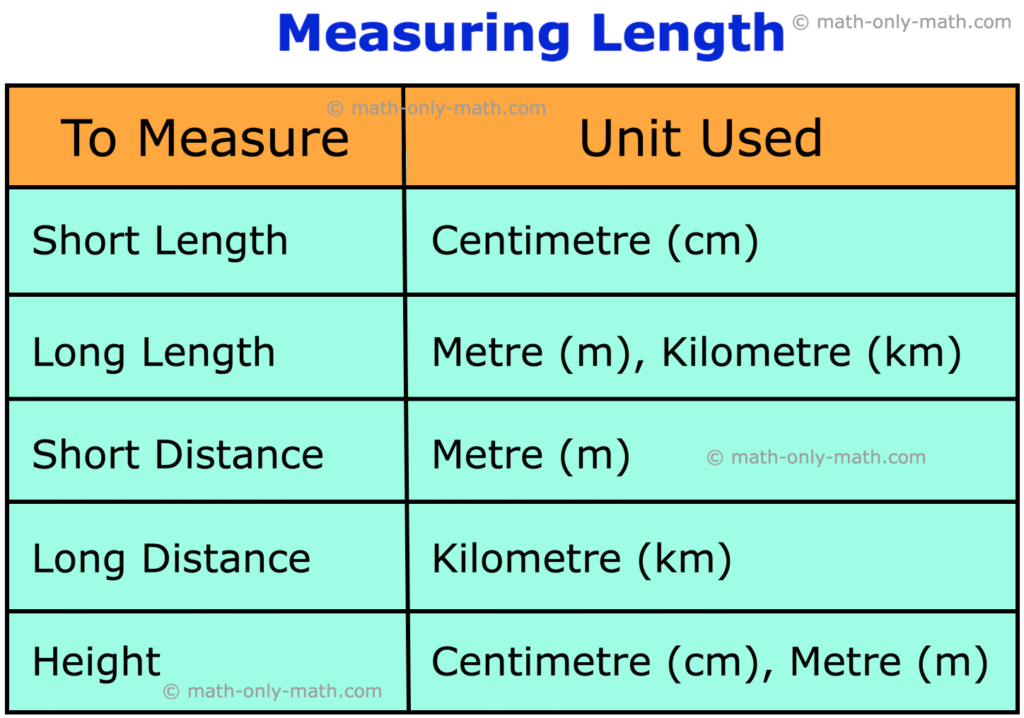
Road signs vary across countries. In many places, distances are in kilometers, while others use miles.
1 mile ≈ 1.609 km
5 miles ≈ 8.045 km
Travel insight:
If you see a sign saying “10 km ahead,” think roughly “6 miles.” This mental shortcut helps in navigation.
- converting millimeters to meters in engineering
Precision engineering often uses millimeters, while overall dimensions are expressed in meters.
1000 mm = 1 meter
2500 mm = 2.5 meters
Engineers move between these units seamlessly, ensuring both micro-level precision and macro-level understanding.
- converting yards to meters in sports
Sports fields often use yards, but international standards use meters.
1 yard = 0.9144 meters
50 yards = 45.72 meters
Application:
In athletics training, converting helps athletes adjust performance metrics globally.
- converting nautical miles to kilometers in navigation
Air and sea navigation use nautical miles.
1 nautical mile = 1.852 km
10 nautical miles = 18.52 km
Why it exists:
It’s based on Earth’s geometry, making it practical for global navigation.
- converting micrometers to millimeters in science
Microscopic measurements require smaller units.
1000 micrometers = 1 millimeter
5000 µm = 5 mm
Scientific relevance:
Used in biology, material science, and manufacturing where precision is critical.
- converting centimeters to inches for international shopping
Online shopping often mixes units.
1 cm = 0.3937 inches
100 cm ≈ 39.37 inches
Practical use:
If you’re buying a TV listed as 100 cm, you know it’s roughly 39 inches.
- converting kilometers to miles for running goals
Runners often set goals in miles, while apps track kilometers.
10 km ≈ 6.21 miles
Motivation tip:
Understanding both helps you align with global fitness communities.
- converting nanometers to meters in technology
Modern technology deals with extremely small scales.
1,000,000,000 nanometers = 1 meter
Example:
A 5 nm processor refers to incredibly tiny transistor sizes, showing how far technology has advanced.
understanding patterns instead of memorizing
Instead of memorizing dozens of conversions, notice patterns:
- Metric system scales by powers of 10
- Imperial system requires fixed conversion factors
- Smaller units give precision, larger units give overview
When you understand this, conversions become logical rather than mechanical.
mental shortcuts for faster conversions
- meters to centimeters: multiply by 100
- kilometers to meters: multiply by 1000
- inches to centimeters: multiply by 2.5 (approximation)
- miles to kilometers: multiply by 1.6
These shortcuts are not always exact, but they are fast and useful in daily life.
why conversions matter beyond academics
Conversions are everywhere:
- measuring furniture before buying
- calculating travel distances
- adjusting recipes
- designing buildings
- analyzing scientific data
They are not just mathematical exercises—they are life skills.
common mistakes to avoid
- forgetting unit labels
- mixing metric and imperial without conversion
- rounding too early
- using incorrect conversion factors
Accuracy depends on attention to detail.
how to practice effectively
- measure objects around you
- convert distances you walk daily
- compare product sizes online
- solve real-life scenarios
Practice builds intuition.
closing thoughts
Length measurement conversions are not just numbers—they are a language of space. Once you understand how units relate, you gain the ability to interpret the physical world more clearly. From the smallest nanometer to the longest mile, every unit tells a story of scale, precision, and human understanding.
FAQs
- why are there different measurement systems?
Different systems developed historically in different regions. The metric system is now widely used because it is simpler and based on powers of 10. - which system is more accurate?
Both systems are equally accurate. The difference lies in ease of use—metric is generally simpler for calculations. - how can I quickly convert units without a calculator?
Use approximations like 1 inch ≈ 2.5 cm or 1 mile ≈ 1.6 km for quick mental calculations. - why is the metric system preferred in science?
Because it is standardized, consistent, and easier to scale up or down using powers of 10. - what is the easiest way to remember conversions?
Focus on key base conversions (like 1 meter = 100 cm) and build from there rather than memorizing everything. - are conversion errors really serious?
Yes. In fields like engineering, medicine, or aviation, even small conversion mistakes can lead to major consequences.