

































6 Secret Temperature Measurement Conversion Guide Tips I Wish I Knew Earlier

6 Secret Temperature Measurement Conversion Guide Tips I Wish I Knew Earlier
Temperature conversions look simple at first glance. A formula here, a number there, and you’re done. But if you’ve ever burned food, misread a weather report, or gotten confused between Celsius and Fahrenheit, you already know the truth: temperature conversion is one of those small skills that quietly shapes everyday life.
This guide isn’t just about formulas. It’s about understanding the hidden patterns, mental shortcuts, and real-life situations that make conversions actually useful. Think of it as a blend of practical insight, storytelling, and applied knowledge—the kind of things most people only learn after making mistakes.
tip 1: stop memorizing formulas, understand the “why” instead
Most people are taught the classic formulas:
C = (F − 32) × 5/9
F = (C × 9/5) + 32
They memorize them, use them occasionally, then forget them again. The problem is not the formulas—it’s the lack of understanding behind them.
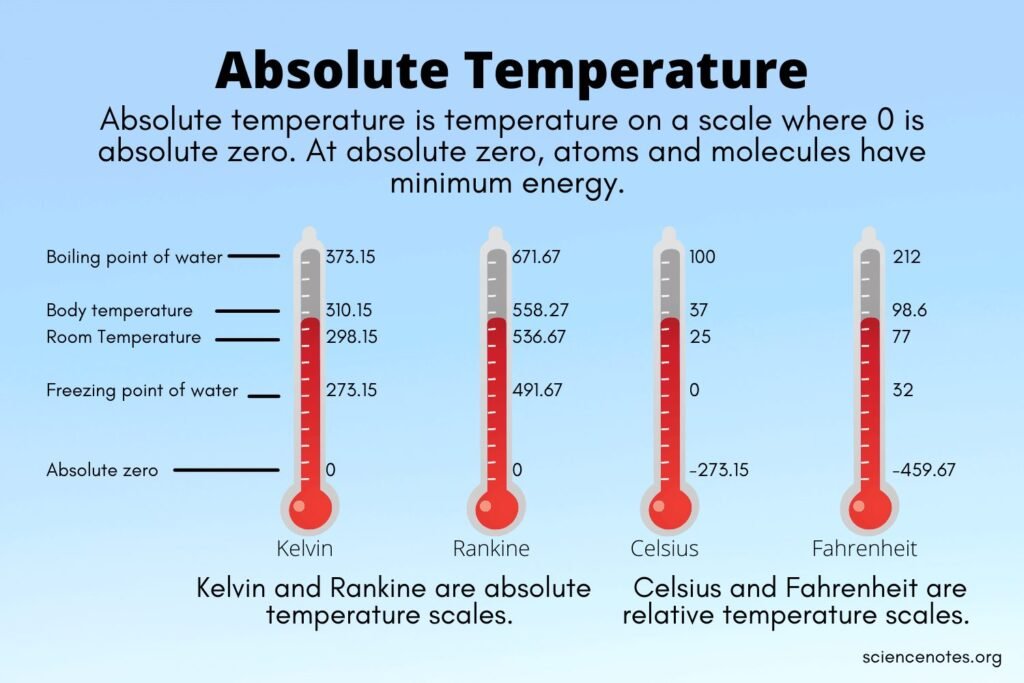
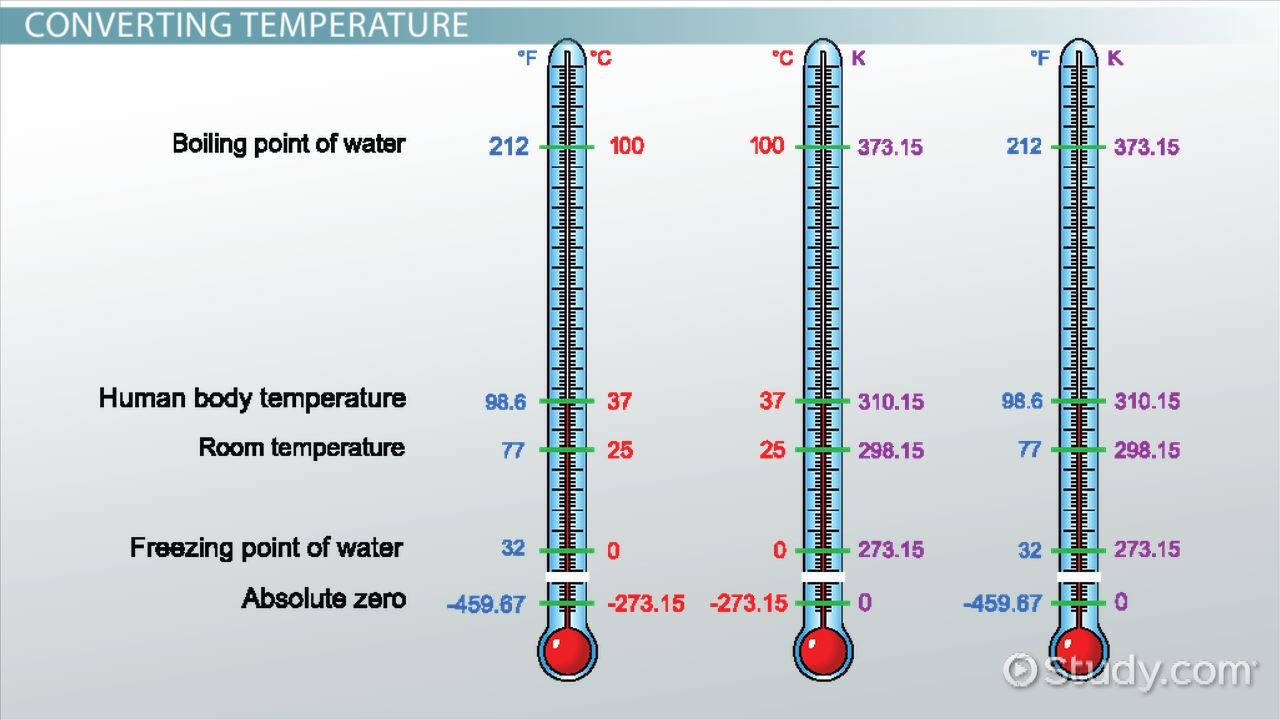
The real secret is this: Fahrenheit and Celsius scales are not just different numbers; they are based on different reference points.
Celsius:
- 0° = freezing point of water
- 100° = boiling point of water
Fahrenheit:
- 32° = freezing point
- 212° = boiling point
That means the gap between freezing and boiling is:
- 100 degrees in Celsius
- 180 degrees in Fahrenheit
So every 1°C equals 1.8°F.
Once you see that, the formula stops being random. It becomes logical.
mini exercise:
If temperature rises by 10°C, how much does it rise in Fahrenheit?
Answer:
10 × 1.8 = 18°F
No formula needed—just understanding.
tip 2: use anchor points instead of full calculations
One of the smartest shortcuts is using anchor points—temperatures you remember well.
Here are a few worth memorizing:
- 0°C = 32°F (freezing)
- 10°C ≈ 50°F (cool day)
- 20°C ≈ 68°F (room temperature)
- 30°C ≈ 86°F (warm day)
- 40°C ≈ 104°F (very hot)
Once you know these, you can estimate anything in between.
example:
You hear it’s 25°C outside.
You know:
20°C ≈ 68°F
30°C ≈ 86°F
25°C is halfway, so:
≈ 77°F
That’s fast, practical, and accurate enough for real life.
tip 3: the “double and add 30” hack (and when not to trust it)
There’s a famous shortcut:
F ≈ (C × 2) + 30
It’s not perfect—but it’s surprisingly useful.
example:
20°C
(20 × 2) + 30 = 70°F
Actual: 68°F
Pretty close.
But here’s the secret most people don’t mention:
this shortcut becomes less accurate at extreme temperatures.
compare:
0°C → shortcut: 30°F (actual: 32°F)
40°C → shortcut: 110°F (actual: 104°F)
So the rule:
- great for everyday weather
- not reliable for precise science or cooking
tip 4: think in “temperature feeling zones”
Numbers are abstract. Feelings are not.
Instead of converting every number exactly, categorize temperatures into zones:
very cold:
- below 0°C / 32°F
- freezing conditions
cool:
- 5–15°C / 41–59°F
comfortable:
- 18–24°C / 64–75°F
warm:
- 25–32°C / 77–90°F
hot:
- above 35°C / 95°F
This method is powerful because it skips conversion entirely. You interpret temperature based on experience.
real-life example:
If someone says it’s 28°C, you don’t need to calculate. You know:
→ it’s warm, possibly slightly humid, light clothing weather.
tip 5: understand context (cooking, weather, medicine are different worlds)
Temperature conversion mistakes often happen because people assume one rule fits all contexts.
But each field uses temperature differently:
cooking:
Oven temperatures in recipes often use Fahrenheit in some countries and Celsius in others.
example:
180°C = 356°F (commonly rounded to 350°F)
If you don’t know this, your cake might come out undercooked or burnt.
medicine:
Body temperature differences matter more precisely.
Normal:
- 37°C = 98.6°F
A small change (like 1°C) is significant.
weather:
Approximation is usually enough.
No one needs exact decimals to decide what to wear.
The secret:
Always match your conversion accuracy to the situation.
tip 6: use tools wisely—but don’t depend on them blindly
Digital converters (like the one above) are incredibly useful. They eliminate errors and save time.
But there’s a hidden downside:
If you rely on tools completely, you lose intuition.
And intuition is what helps you:
- catch mistakes
- estimate quickly
- make decisions without a calculator
ideal approach:
- use tools for precision
- use mental shortcuts for speed
- use understanding for confidence
a quick comparison table you’ll actually use
Instead of long lists, here’s a practical mini-table:
Celsius → Fahrenheit
0 → 32
5 → 41
10 → 50
15 → 59
20 → 68
25 → 77
30 → 86
35 → 95
40 → 104
Fahrenheit → Celsius (approximate)
32 → 0
50 → 10
68 → 20
77 → 25
86 → 30
95 → 35
print this mentally, not physically
common mistakes people make (and how to avoid them)
- forgetting the +32
People multiply but forget to add 32. - mixing up multiplication direction
Using 5/9 instead of 9/5 (or vice versa). - over-trusting shortcuts
Using approximations where precision matters. - ignoring context
Using weather-level accuracy in medical situations. - panic converting
Trying to calculate under pressure instead of estimating.
how to avoid all of these:
Slow down. Think in steps. Or better—estimate first, calculate second.
a short story that explains everything
A student once baked a cake using a foreign recipe. It said 200°C. He assumed it meant 200°F.
The result? A half-baked disaster.
Later, he learned:
200°C = 392°F
That mistake taught him more than any formula ever could.
Temperature conversion isn’t just math. It’s awareness.
practice section (try before checking answers)
- Convert 15°C to Fahrenheit (estimate first)
- Convert 86°F to Celsius (roughly)
- Is 28°C closer to 75°F or 85°F?
- If temperature rises from 10°C to 20°C, how much in Fahrenheit?
answers:
- ≈ 59°F
- ≈ 30°C
- closer to 85°F
- 18°F increase
frequently asked questions
- why do we have different temperature scales at all?
Different systems were developed historically based on regional scientific methods. Celsius is metric-based and widely used globally, while Fahrenheit remains common in a few countries due to tradition. - which scale is more accurate?
Both are equally accurate. The difference lies in how finely they divide temperature ranges. Fahrenheit has smaller increments, which can feel more precise for daily weather. - is there an easy way to convert Fahrenheit to Celsius mentally?
Yes: subtract 32, then divide by 2 (rough estimate). For better accuracy, divide by 1.8 instead. - why is 37°C considered normal body temperature?
It represents the average internal human temperature where bodily processes function optimally. Small deviations can indicate illness. - when should I avoid shortcuts in conversion?
Avoid them in cooking, medical situations, and scientific work where precision matters. - is Kelvin used in daily life?
Not commonly. Kelvin is mainly used in science because it starts at absolute zero, making calculations simpler in physics.
closing thought
Temperature conversion is one of those skills that quietly sits in the background—until the moment you need it. And when that moment comes, what matters isn’t memorization. It’s understanding, intuition, and a few clever shortcuts.
Once you start thinking in anchor points, feeling zones, and context instead of rigid formulas, you’ll notice something interesting:
You stop converting temperature…
and start interpreting it.