













































6 Easy Time Measurement Conversion Guide Stories from Real Life
Time conversions look simple on paper. Seconds become minutes, minutes become hours, and hours quietly roll into days. Yet in real life, these small calculations quietly influence travel plans, cooking disasters, work deadlines, sleep schedules, fitness routines, and even relationships. Most of us don’t notice how often we convert time until we get it wrong.
This article explores six true-to-life storytelling scenarios where time conversion mattered more than expected. Each story contains lessons, mini‑guides, quick conversion charts, and reflections you can actually use in everyday situations.
story one: the airport mistake that started with minutes and ended in panic
Nadia believed she was the most organized traveler in her friend group. She packed early, set alarms, and printed tickets. Yet one quiet mistake nearly caused her to miss an international flight.
Her flight departed at 02:15 AM. She planned to leave home at midnight. Her airport was 45 minutes away. Everything seemed perfect.
Except for one tiny oversight: airport arrival recommendations are given in hours, not minutes.
The airline recommended arriving 3 hours before departure.
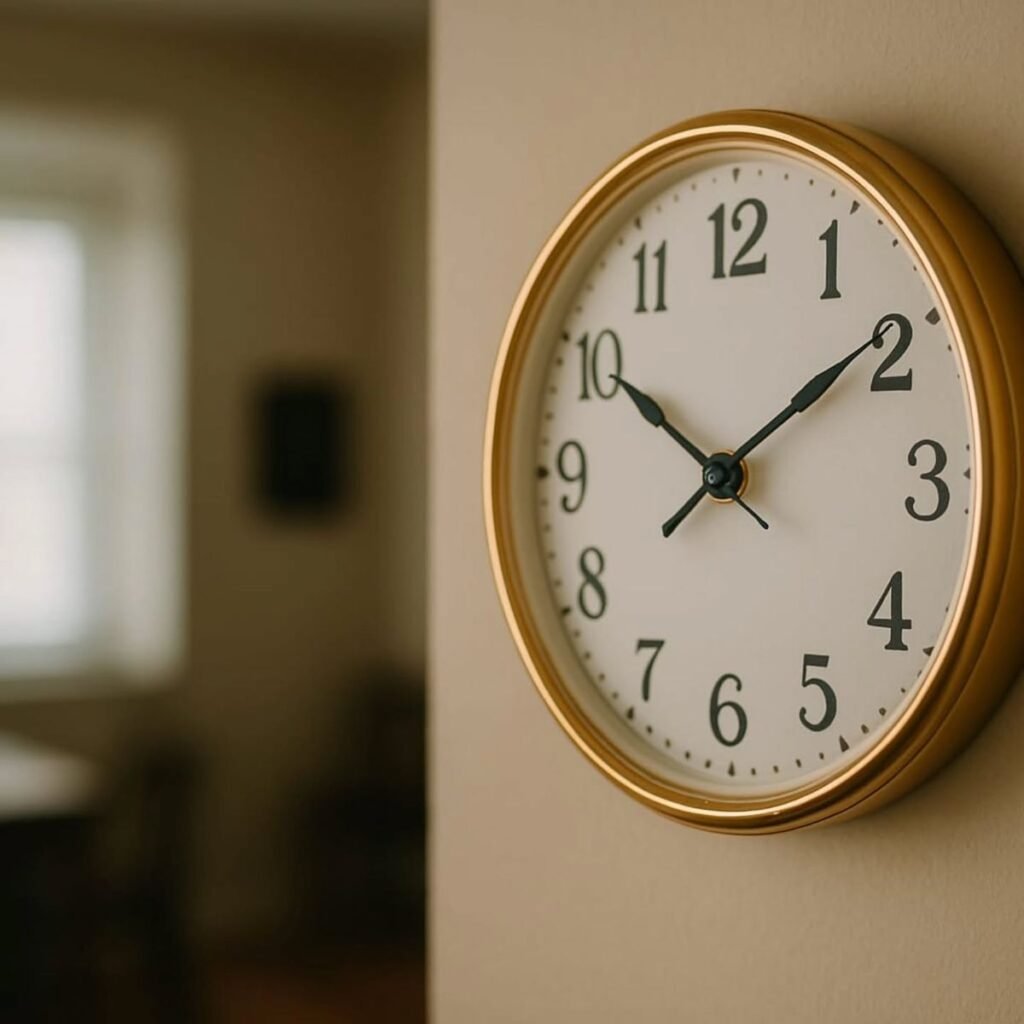
Nadia mentally converted this into “I should reach the airport around midnight.” But 3 hours before 02:15 AM is not midnight. It’s 11:15 PM.
That one‑hour conversion error triggered a domino effect:
• traffic delays added 30 minutes
• baggage check lines took 25 minutes
• immigration queues took 35 minutes
She reached the gate as boarding closed.
She made the flight by seconds.
lesson learned from the airport clock
Travel time conversions usually involve:
• hours to minutes
• minutes to buffer time
• 24‑hour clock interpretation
quick conversion reminder:
1 hour = 60 minutes
3 hours = 180 minutes
Arrival buffer = travel time + security + boarding time
practical airport conversion formula:
Airport arrival time = Departure time − Recommended arrival hours
example:
Departure: 02:15
Recommended: 3 hours
Arrival target: 23:15
life takeaway:
Always convert airline recommendations into exact clock time. Never rely on “midnight-ish” thinking.
story two: the baking disaster caused by oven math
Hamza loved baking but never loved reading recipes carefully. One weekend he tried a cake recipe from a foreign blog.
The recipe said:
Bake for 1.75 hours at low heat.
Hamza interpreted 1.75 hours as 1 hour 75 minutes.
He proudly set a timer for:
1 hour + 75 minutes = 2 hours 15 minutes.
When he opened the oven, the cake was no longer cake. It was a brick.
the decimal hour confusion
Many recipes use decimal hours instead of minutes.
Decimal hours cheat sheet:
0.25 hour = 15 minutes
0.5 hour = 30 minutes
0.75 hour = 45 minutes
Therefore:
1.75 hours = 1 hour 45 minutes
Hamza accidentally added 30 extra minutes.
That’s 1,800 seconds of overbaking.
real life conversion trick:
Multiply decimal by 60 to get minutes.
Example:
0.75 × 60 = 45 minutes
life takeaway:
Whenever you see decimals in time, multiply by 60 immediately.
story three: the freelancer who mispriced time
A graphic designer named Saad charged clients hourly. One project took him 2 hours and 20 minutes.
He billed the client for 2.2 hours.
The client paid happily.
But later Saad realized the truth.
time billing mistake explained
20 minutes is NOT 0.2 hours.
Because:
1 hour = 60 minutes
20 minutes = 20 ÷ 60 = 0.33 hours
He undercharged for months.
quick freelancer conversion table:
Minutes | Decimal hours
10 min | 0.17
15 min | 0.25
20 min | 0.33
30 min | 0.50
45 min | 0.75
correct bill:
2 hours 20 minutes = 2.33 hours
Over a year, this tiny mistake cost him weeks of unpaid work.
life takeaway:
Minutes divided by 60 = billable decimal hours.
story four: the fitness tracker confusion
Ayesha wanted to walk 10,000 steps daily. Her smartwatch tracked activity in seconds and minutes.
Her daily report:
Active time: 3,600 seconds.
She felt disappointed. It looked small.
But 3,600 seconds equals exactly 1 hour.
seconds to minutes quick guide:
60 seconds = 1 minute
600 seconds = 10 minutes
3,600 seconds = 60 minutes
fitness conversion shortcut:
Divide seconds by 60 → minutes
Divide minutes by 60 → hours
3,600 ÷ 60 = 60 minutes
60 ÷ 60 = 1 hour
That day she realized she had walked more than she thought.
life takeaway:
Seconds look scary but often hide meaningful time.
story five: the student who misunderstood study hours
Ali planned to study 25 hours weekly.
He studied 3 hours daily and felt confident.
After one week he checked his total.
3 hours × 7 days = 21 hours.
He was 4 hours short.
He forgot to convert weekly targets into daily time.
weekly to daily conversion formula:
Weekly goal ÷ 7 = daily target
25 ÷ 7 = 3.57 hours daily
0.57 hours × 60 = 34 minutes
Correct daily goal:
3 hours 34 minutes per day.
life takeaway:
Always convert long‑term goals into daily numbers.
story six: the sleep schedule that fixed itself
Fatima wanted 8 hours of sleep. She went to bed at midnight and woke at 6 AM.
She thought she slept 6 hours.
But she forgot sleep interruptions:
• scrolling phone 25 minutes
• waking at night 15 minutes
• morning snooze 20 minutes
Total awake time = 60 minutes.
Actual sleep = 5 hours.
sleep math formula:
Time in bed − awake time = real sleep
life takeaway:
Time in bed is not sleep time.
mini conversion toolkit for everyday life
time unit ladder:
1 minute = 60 seconds
1 hour = 60 minutes
1 day = 24 hours
1 week = 7 days
speed conversions:
1 hour = 3,600 seconds
1 day = 86,400 seconds
mental math shortcuts:
Half hour = 30 minutes
Quarter hour = 15 minutes
Three quarters hour = 45 minutes

why real life makes time conversion harder
Time feels emotional. When stressed, minutes feel shorter. When bored, minutes feel longer. That emotional distortion causes mistakes.
Common traps:
• rounding too early
• ignoring buffers
• confusing decimal vs clock time
• underestimating interruptions
how to build a personal time conversion habit
Step 1: convert everything into minutes first
Step 2: add buffer time
Step 3: convert back into hours
Example workflow:
Travel = 1 hr 20 min
Security = 40 min
Boarding = 30 min
Total minutes:
80 + 40 + 30 = 150 minutes = 2 hr 30 min
daily life situations where conversion saves the day
Cooking multiple dishes
Gym training intervals
Remote work billing
Public transport timing
Sleep planning
Exam preparation
Time conversion quietly supports every plan.
reflection: the invisible math behind everyday life
We think time is simple because clocks are everywhere. Yet the moment time leaves the clock and enters planning, budgeting, cooking, sleeping, or traveling, it becomes math.
And tiny math errors create big real‑life consequences.
The good news? Once you build awareness, time conversion becomes automatic.
FAQs
- Why do people confuse decimal hours with minutes so often?
Because we grow up reading clocks, not decimals. When we see 0.5 we think “half,” but forget that time uses base‑60 instead of base‑10. - What is the fastest way to convert minutes to hours mentally?
Divide by 60. For quick estimates, remember:
30 min = 0.5 hr
15 min = 0.25 hr
45 min = 0.75 hr. - Why is buffer time important in planning?
Real life includes delays, interruptions, and transitions. Buffer time absorbs the unexpected. - How can students track study hours accurately?
Convert weekly goals into daily minutes and track interruptions separately. - Why do seconds feel insignificant but matter?
Seconds accumulate quickly. Thousands of seconds equal meaningful productivity or exercise time. - What is the easiest universal rule for time conversion?
When unsure, convert everything into minutes first. Minutes are the most practical planning unit.
Time conversion isn’t just math. It’s a life skill hidden inside everyday routines. Once you start noticing it, you’ll see time differently—and probably waste much less of it.