




















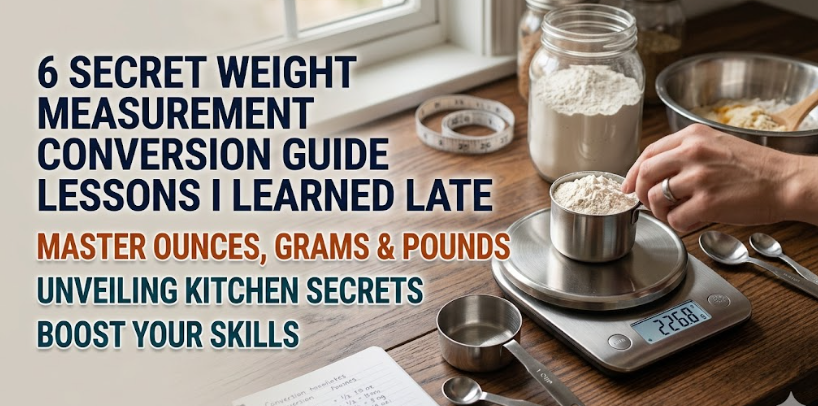

6 Secret Weight Measurement Conversion Guide Lessons I Learned Late
I used to think weight conversion was one of those things you either memorized in school or Googled in a hurry. A number here, multiply by something, done. Simple. At least, that’s what I believed until I started dealing with real-life situations—fitness tracking, cooking recipes from different countries, shipping parcels, even understanding medical reports.
That’s when I realized something uncomfortable: I didn’t actually understand weight conversions. I was just copying numbers.
And that gap cost me time, money, and sometimes accuracy.
Over the years, through mistakes that were honestly avoidable, I picked up a few lessons. Not the textbook ones. The kind you only learn when things go slightly wrong and you have to fix them yourself.
These are the six lessons I wish I had learned earlier.
lesson 1: memorizing numbers is overrated, understanding relationships is everything
For the longest time, I tried to memorize conversions like:
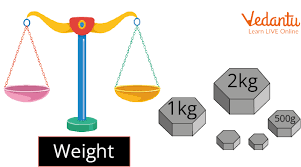
- 1 kilogram = 2.20462 pounds
- 1 pound = 16 ounces
- 1 kilogram = 1000 grams
But here’s the problem: memory is unreliable under pressure.
The real shift happened when I stopped treating conversions as isolated facts and started seeing them as a connected system.
Think of weight like a ladder:
- milligrams → grams → kilograms
- ounces → pounds → tons
Each step follows a pattern. Metric units scale by 10 or 1000. Imperial units scale by fixed but less intuitive numbers.
Once you see that structure, you don’t panic when you forget an exact number. You can reconstruct it.
For example, if you know:
1 kg = 1000 g
and
1 lb ≈ 0.45 kg
You can estimate almost anything without memorizing every single conversion.
Understanding replaces dependence.
lesson 2: precision matters only when it actually matters
Early on, I used to obsess over exact values. I’d carry conversions out to five or six decimal places, even when it didn’t matter.
But real life taught me something different.
If you’re:
- cooking → rough conversions are fine
- tracking body weight → slight rounding is acceptable
- shipping goods → precision matters more
- handling medication → precision is critical
Not all situations demand the same level of accuracy.
For example:
1 kg ≈ 2.2 lb is often good enough.
You don’t always need 2.2046226218.
The mistake I used to make was applying “maximum precision” everywhere. It slowed me down and didn’t improve outcomes.
Now I ask one simple question:
“How precise does this need to be?”
That question alone saves time and mental energy.
lesson 3: mental shortcuts beat calculators in everyday life
There’s something satisfying about doing quick conversions in your head.
I didn’t think it was possible until I started practicing small tricks:
- To convert kg to lb: double it and add a little extra
(1 kg ≈ 2.2 lb → just think “double plus 10%”) - To convert lb to kg: halve it and subtract a bit
(1 lb ≈ 0.45 kg → “half minus 10%”)
So if something weighs 10 kg:
Double → 20
Add a bit → ~22 lb
No calculator needed.
These shortcuts aren’t perfect, but they’re fast—and often that’s what matters.
Over time, these approximations become second nature. You stop “converting” and start “thinking in both systems.”
lesson 4: context changes everything
A surprising lesson: the same number can mean very different things depending on context.
Take 100 grams.
- In cooking → a small ingredient portion
- In fitness → negligible weight change
- In gold trading → significant value
- In medicine → potentially dangerous dosage difference
Conversion isn’t just about math—it’s about meaning.
I once misread a recipe that used ounces instead of grams. The result wasn’t just “slightly off.” It completely ruined the dish.
That’s when it clicked:
You’re not just converting numbers—you’re translating context.
Always ask:
“What is this number used for?”
lesson 5: mixing systems is where most mistakes happen
Most errors don’t happen within one system. They happen when switching between systems.
Metric is clean:
- 1 kg = 1000 g
- 1 g = 1000 mg
Imperial is… less clean:
- 1 lb = 16 oz
- 1 ton = 2000 lb (US) or 2240 lb (UK)
The confusion starts when you combine them.
For example:
- A recipe in grams, but your scale shows ounces
- A gym weight in pounds, but your goal is in kilograms
This is where people slip.
My solution became simple:
Stick to one system whenever possible.
If you must convert, convert everything—not just parts of it.
Consistency reduces mistakes more than accuracy does.
lesson 6: tools are helpful, but dependency is dangerous
Digital tools make conversions effortless. You type, click, done.
But there’s a downside.
If you rely entirely on tools, you lose intuition.
That’s why even with something like the converter above, I treat it as a helper—not a crutch.
Before checking, I try to estimate:
“What should this roughly be?”
Then I verify.
This habit does two things:
- builds confidence
- catches errors when numbers look off
Blind trust in tools can lead to silent mistakes. A small typo can throw everything off, and you won’t notice if you don’t have a mental reference.
bringing it all together
Looking back, the biggest realization wasn’t about numbers—it was about mindset.
Weight conversion isn’t just a technical skill. It’s a practical one.
It shows up in:
- everyday cooking
- health tracking
- travel
- online shopping
- professional work
And the difference between struggling with it and being comfortable with it comes down to a few habits:
- understand relationships instead of memorizing
- use precision where it matters
- rely on mental shortcuts when speed is needed
- always consider context
- avoid mixing systems carelessly
- use tools wisely, not blindly
Once these ideas settle in, conversion stops feeling like a chore. It becomes something you can do naturally, almost without thinking.
frequently asked questions
- what is the easiest way to convert kilograms to pounds quickly?
The simplest mental method is to double the kilograms and add about 10%. For example, 5 kg becomes roughly 11 lb (5 × 2 = 10, plus a bit extra). - why are metric conversions easier than imperial ones?
Metric units follow a base-10 system, meaning everything scales by 10 or 1000. Imperial units use irregular relationships (like 16 ounces in a pound), making them harder to remember and calculate. - when do I need exact conversions instead of estimates?
Exact conversions are important in fields like medicine, science, and shipping. For everyday tasks like cooking or fitness, estimates are usually sufficient. - is it better to memorize conversion formulas or use tools?
A mix of both works best. Learn basic relationships so you can estimate quickly, and use tools for precision when needed. - what is the most common mistake people make in weight conversion?
Mixing measurement systems without fully converting everything. For example, combining grams and ounces in the same calculation often leads to errors. - how can I improve my conversion skills over time?
Practice small daily conversions mentally, estimate before using tools, and focus on understanding patterns instead of memorizing isolated numbers.
If there’s one thing I’d pass on, it’s this: once you stop treating conversions like random math problems and start seeing them as patterns, everything gets easier.