


































12 Essential Weight Measurement Conversion Guide Examples Explained
Weight is one of those everyday things we rarely think about—until we need to convert it. Whether you’re cooking from an international recipe, tracking fitness progress, shipping a package, or studying science, understanding weight conversions becomes surprisingly important. And yet, many people find themselves confused when switching between kilograms, pounds, grams, ounces, and tons.
This guide goes beyond dry formulas. It walks you through twelve essential weight conversion examples, explains why they matter, and shows you how to think about them intuitively. By the end, you won’t just memorize numbers—you’ll understand how weight systems connect.
understanding the basics of weight measurement
Before diving into examples, it helps to understand the two main systems used worldwide:
The metric system
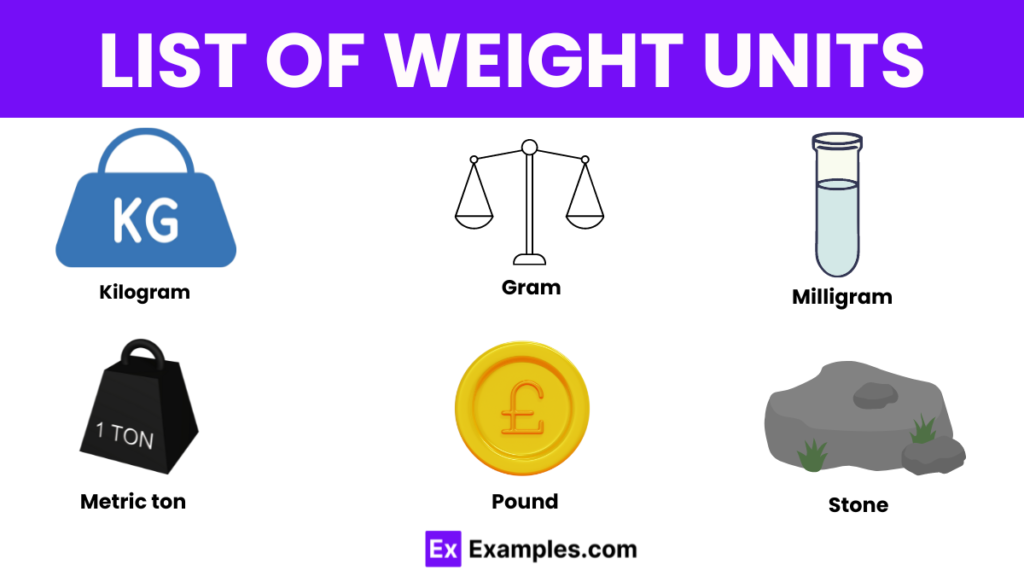
Used in most countries, it includes units like grams (g), kilograms (kg), and metric tons (t). It’s based on powers of 10, making conversions straightforward.
The imperial system
Used mainly in the United States and a few other places, it includes ounces (oz), pounds (lb), and tons. Conversions here are less intuitive.
A key anchor point:
1 kilogram ≈ 2.20462 pounds
Once you remember this, most conversions become easier.
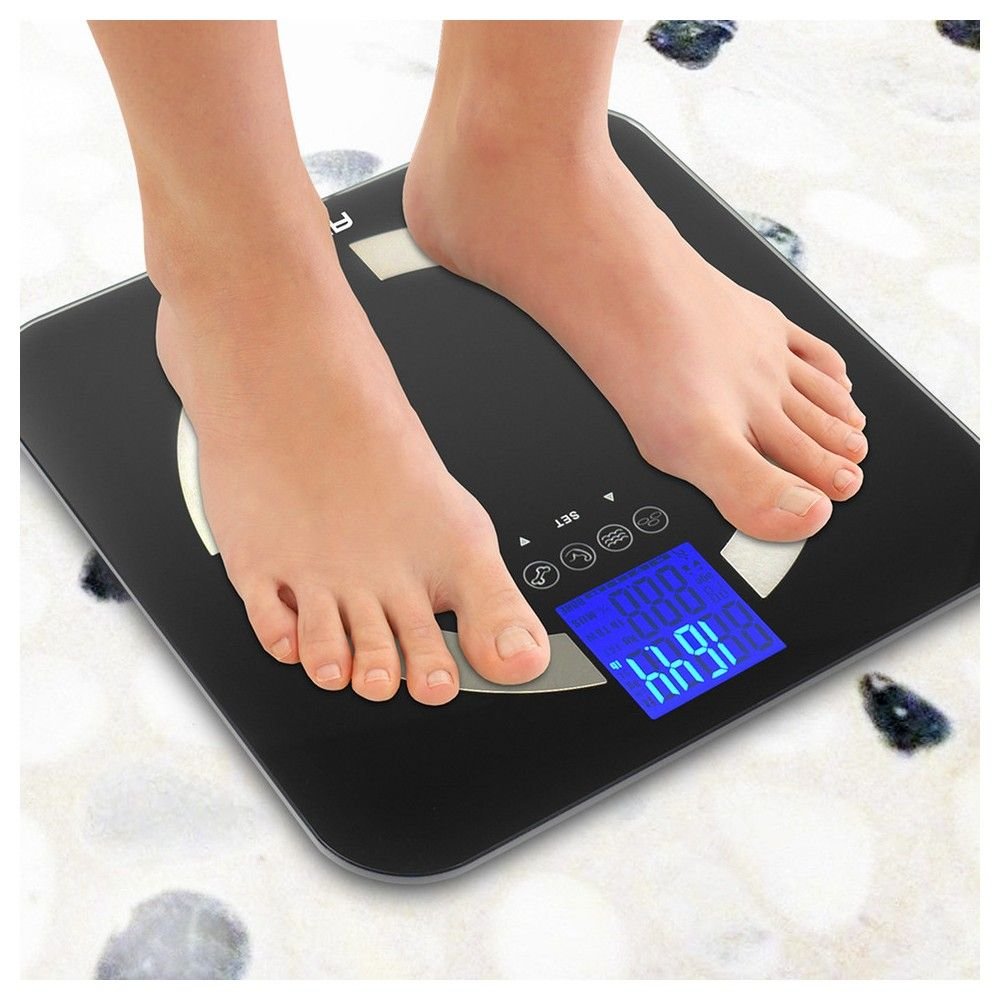
example 1: kilograms to pounds (everyday body weight)
Let’s say someone weighs 70 kilograms. What is that in pounds?
Multiply by 2.20462:
70 × 2.20462 ≈ 154.32 pounds
Why this matters:
Fitness apps, gym equipment, and health records often use different systems. Understanding this conversion helps you track progress consistently.
Mental shortcut:
Double the kilograms and add 10% more.
example 2: pounds to kilograms (reverse thinking)
Now reverse it. Suppose a weight is 150 pounds.
Divide by 2.20462:
150 ÷ 2.20462 ≈ 68 kilograms
Why this matters:
International travel or medical contexts often require metric units.
Mental shortcut:
Divide pounds by 2.2 for a quick estimate.
example 3: grams to kilograms (simple metric shift)
If you have 5000 grams, how many kilograms is that?
Divide by 1000:
5000 ÷ 1000 = 5 kilograms
Why this matters:
Cooking, nutrition labels, and science experiments use grams frequently.
Key idea:
In the metric system, you just move the decimal point.
example 4: kilograms to grams (precision in small quantities)
Convert 2.75 kilograms into grams:
Multiply by 1000:
2.75 × 1000 = 2750 grams
Why this matters:
Baking and pharmaceuticals require precision.
example 5: ounces to grams (kitchen conversions)
Suppose a recipe calls for 8 ounces of flour.
1 ounce ≈ 28.35 grams
8 × 28.35 ≈ 226.8 grams
Why this matters:
Recipes from different countries use different units.
Quick tip:
1 ounce ≈ 30 grams (rough estimate)
example 6: grams to ounces (small-scale accuracy)
Convert 100 grams to ounces:
100 ÷ 28.35 ≈ 3.53 ounces
Why this matters:
Useful for portion control and nutrition tracking.
example 7: pounds to ounces (breaking it down)
1 pound = 16 ounces
So, 5 pounds:
5 × 16 = 80 ounces
Why this matters:
Helpful in cooking and packaging.
example 8: ounces to pounds (simplifying large amounts)
Convert 64 ounces to pounds:
64 ÷ 16 = 4 pounds
Why this matters:
Bulk ingredients and grocery shopping often require this.
example 9: metric tons to kilograms (large-scale measurements)
1 metric ton = 1000 kilograms
So, 3 metric tons:
3 × 1000 = 3000 kilograms
Why this matters:
Used in construction, shipping, and industry.
example 10: kilograms to metric tons (scaling down)
Convert 2500 kilograms:
2500 ÷ 1000 = 2.5 metric tons
Why this matters:
Important for logistics and freight calculations.
example 11: pounds to metric tons (cross-system conversion)
Convert 2204.62 pounds:
2204.62 ÷ 2204.62 = 1 metric ton
Why this matters:
Bridges the gap between imperial and metric systems.
example 12: stones to pounds (less common but still used)
In some regions:
1 stone = 14 pounds
So, 10 stones:
10 × 14 = 140 pounds
Why this matters:
Still used in body weight measurement in certain countries.
building intuition instead of memorizing formulas
Instead of memorizing every conversion, focus on anchors:
1 kg ≈ 2.2 lb
1 lb = 16 oz
1 oz ≈ 28 g
1 kg = 1000 g
From these four relationships, you can derive almost everything.
For example, if you forget how many grams are in a pound:
1 lb = 16 oz
1 oz ≈ 28 g
So, 16 × 28 ≈ 448 g (actual ≈ 454 g)
Close enough for everyday use.
common mistakes people make
Mixing up mass and weight
In science, they’re different—but in daily life, they’re often used interchangeably.
Forgetting conversion direction
Multiplying when you should divide (or vice versa) is a common error.
Relying too heavily on exact values
In real life, approximations are often enough.
real-life applications of weight conversions
Cooking
Recipes from different countries require quick conversions.
Fitness
Tracking weight loss or muscle gain across different systems.
Travel
Luggage weight limits may use kilograms or pounds.
Shipping
International shipping requires accurate conversions.
Science and education
Experiments often use grams and kilograms.
how to get faster at conversions
Practice with real objects
Estimate the weight of things around you.
Use mental anchors
Remember a few key conversions and build from them.
Round numbers wisely
Precision isn’t always necessary.
double-check important calculations
Especially in professional or medical contexts.
why understanding conversions matters more than ever
In a globalized world, units are constantly crossing borders. A recipe from Europe, a workout plan from the U.S., and a product shipped from Asia—all may use different systems.
Understanding weight conversions isn’t just a math skill. It’s a practical life tool that helps you navigate everyday situations with confidence.
Instead of feeling confused when you see unfamiliar units, you begin to interpret them naturally. Over time, the numbers start to “feel” right.
frequently asked questions (faqs)
- what is the easiest way to convert kilograms to pounds?
Multiply kilograms by 2.2 for a quick estimate. For more accuracy, use 2.20462. - how many grams are in one pound?
There are approximately 454 grams in one pound. - is 1 ounce always 28 grams?
Not exactly. It’s about 28.35 grams, but 28 grams works fine for rough calculations. - why do different countries use different weight systems?
It’s mostly historical. The metric system was standardized globally, but some countries kept older systems like imperial. - what is the fastest way to learn weight conversions?
Focus on a few key relationships (kg ↔ lb, lb ↔ oz, g ↔ kg) and practice applying them in real situations. - do I need exact conversions in everyday life?
Not always. Estimates are usually enough unless you’re dealing with science, medicine, or precise measurements.
—
Mastering weight conversions isn’t about memorizing endless numbers. It’s about recognizing patterns, building intuition, and practicing with real-world examples. Once you get comfortable, you’ll find yourself converting units almost automatically—without even thinking about it.