







































7 Powerful Temperature Measurement Conversion Guide Hacks for Daily Life
Temperature is one of those invisible forces that quietly shapes our everyday decisions. Whether you are cooking rice just right, checking a child’s fever, setting your air conditioner, or planning a trip, temperature guides you more than you realize. Yet, for something so common, many people still struggle when it comes to converting between Celsius, Fahrenheit, and Kelvin.
This guide isn’t just about formulas. It’s about practical thinking, shortcuts, mental tricks, and real-life applications that make temperature conversion second nature. These seven powerful hacks will help you stop memorizing and start understanding.
hack 1: learn the anchor points instead of memorizing formulas
Most people try to memorize formulas like (°C × 9/5) + 32 = °F. That works, but it’s not practical in daily life when you need quick answers. A smarter way is to learn anchor points—fixed, meaningful temperatures you can remember easily.
Here are the most useful anchors:
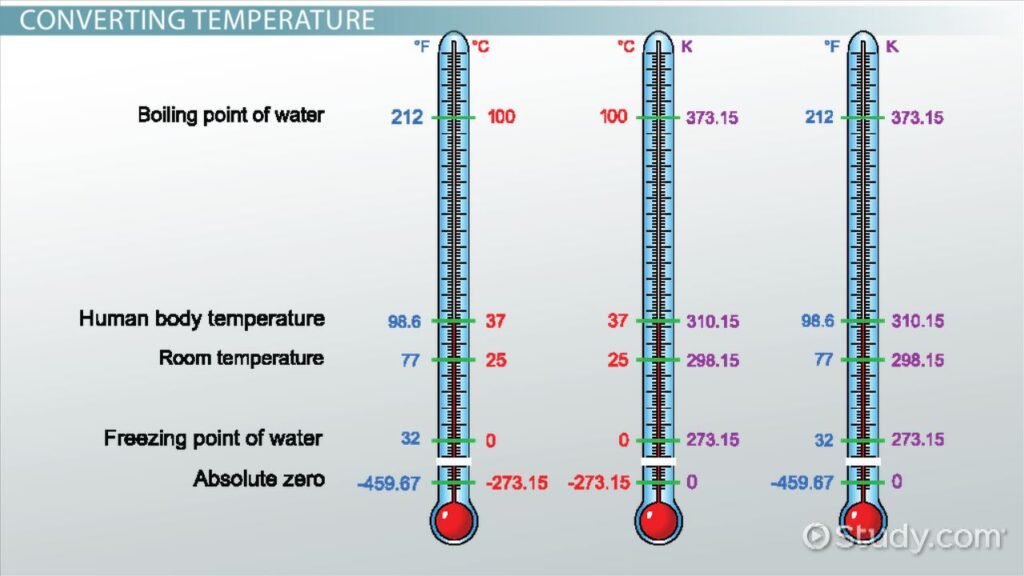
- 0°C = 32°F (freezing point of water)
- 10°C = 50°F (cool weather)
- 20°C = 68°F (room temperature)
- 30°C = 86°F (warm day)
- 37°C = 98.6°F (human body temperature)
- 100°C = 212°F (boiling point of water)
These points act like mental landmarks. Once you know them, you can estimate anything in between without needing exact calculations.
For example, if the weather is 25°C, you already know it’s between 20°C (68°F) and 30°C (86°F). So, it’s roughly around 77°F. No calculator needed.
hack 2: use the “double and add 30” shortcut
One of the simplest tricks for converting Celsius to Fahrenheit is:
Double the Celsius value and add 30.
It’s not perfectly exact, but it’s surprisingly close for everyday use.
Examples:
- 20°C → (20 × 2) + 30 = 70°F (actual: 68°F)
- 25°C → (25 × 2) + 30 = 80°F (actual: 77°F)
- 30°C → (30 × 2) + 30 = 90°F (actual: 86°F)
The difference is small and acceptable in daily life situations like weather, cooking, or room temperature.
To reverse it (Fahrenheit to Celsius):
Subtract 30, then divide by 2.
- 86°F → (86 – 30) ÷ 2 = 28°C (actual: 30°C)
This hack saves time and mental effort, especially when you just need a quick estimate.
hack 3: understand the “scale difference” mindset
Instead of thinking in formulas, think in scales.
Celsius and Fahrenheit measure the same thing but use different step sizes. The key idea:
A change of 1°C equals a change of 1.8°F.
That means Fahrenheit numbers grow faster.
If temperature increases by:
- 5°C → it increases by about 9°F
- 10°C → about 18°F
So, if you see a weather forecast going from 20°C to 30°C, you instantly know it’s roughly an 18°F increase.
This mindset helps you understand temperature trends rather than just numbers.
hack 4: use body-based references
Your body is one of the most reliable tools for understanding temperature.
- Around 37°C (98.6°F) feels normal (body temperature)
- Around 30°C (86°F) feels hot but manageable
- Around 20°C (68°F) feels comfortable
- Around 10°C (50°F) feels cool
- Around 0°C (32°F) feels freezing
Instead of converting numbers, relate them to how they feel.
If someone says it’s 15°C, you know it’s between cool (10°C) and comfortable (20°C), so it will feel slightly chilly.
This method is especially useful when traveling or adjusting to new climates.
hack 5: memorize cooking temperature pairs
Cooking is one of the most common situations where temperature conversion matters.
Here are some key oven temperature pairs:
- 160°C = 320°F (slow baking)
- 180°C = 350°F (standard baking)
- 200°C = 392°F (hot baking)
- 220°C = 428°F (very hot oven)
Instead of converting every time, just memorize these common points.
For example, if a recipe says 350°F, you instantly know it’s about 180°C.
This saves time and prevents cooking mistakes.
hack 6: think in ranges, not exact numbers
In real life, exact precision is often unnecessary.
Instead of asking:
“What is exactly 23°C in Fahrenheit?”
Think:
“It’s between 20°C (68°F) and 25°C (~77°F), so around mid-70s°F.”
This approach reduces mental load and speeds up decision-making.
It’s especially helpful in:
- Weather interpretation
- Travel planning
- Choosing clothes
- Setting room temperature
Accuracy within 1–2 degrees is usually more than enough.
hack 7: use tools wisely, but don’t depend on them
Digital tools are helpful, but relying on them completely can slow you down.
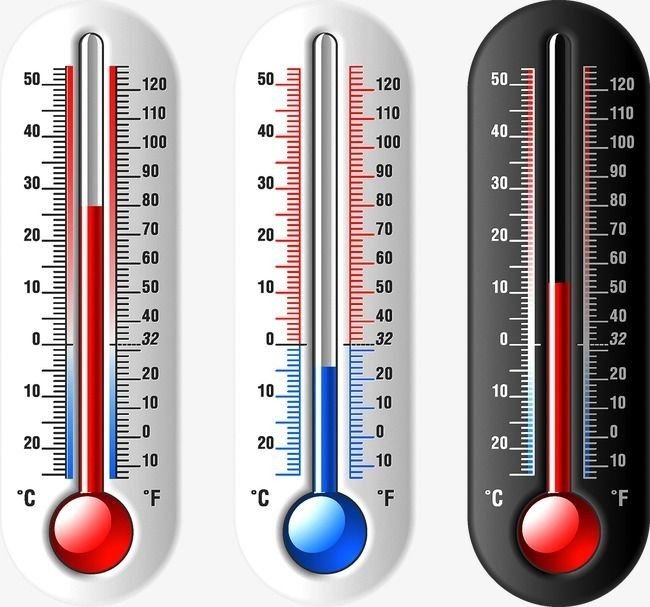
The interactive converter above lets you experiment instantly. Try changing values and observing patterns. Notice how numbers shift, not just what they become.
Use tools to:
- Verify your estimates
- Learn patterns
- Build intuition
But for daily life, your brain should handle the basics.
real-life applications of these hacks
morning routine
You wake up and check the weather: 18°C. Without converting, you know it’s slightly cool—maybe a light jacket.
cooking dinner
A recipe says 375°F. You remember 350°F is 180°C, so 375°F is slightly higher—around 190°C. Close enough.
traveling abroad
You visit a country using Fahrenheit. The forecast says 86°F. Subtract 30 and divide by 2 → around 28°C. You know it’s warm.
health check
A thermometer shows 38°C. You recognize it’s above normal body temperature (37°C), meaning fever.
These hacks turn numbers into understanding.
common mistakes people make
Even with simple conversions, people often:
- Overcomplicate calculations
- Rely too heavily on exact formulas
- Forget anchor points
- Misinterpret ranges
- Ignore real-world context
The goal is not perfection. It’s practical understanding.
building long-term intuition
Temperature conversion becomes easy when you practice casually.
Try this:
- Guess the Fahrenheit value before checking
- Use the shortcut methods
- Compare your estimate with actual results
Over time, your brain builds a natural sense of temperature.
It’s similar to learning currency exchange. At first, you calculate everything. Later, you just “feel” the value.
why this skill matters
Temperature conversion isn’t just academic. It affects:
- Health decisions
- Cooking accuracy
- Travel comfort
- Energy usage (heating/cooling)
- Outdoor safety
Being able to quickly interpret temperature helps you respond better to your environment.
conclusion
Temperature conversion doesn’t have to be complicated. By focusing on anchor points, using simple shortcuts, and thinking in ranges, you can turn a confusing task into an intuitive skill.
These seven hacks are not about memorizing formulas—they’re about understanding temperature in a way that fits real life. Once you start using them, you’ll notice that you rarely need exact conversions anymore.
Instead, you’ll just know.
frequently asked questions (faqs)
- what is the easiest way to convert celsius to fahrenheit quickly?
The easiest way is the “double and add 30” method. Multiply the Celsius value by 2 and add 30. It gives a close estimate suitable for everyday use. - is it necessary to memorize the exact conversion formula?
No, it’s not necessary for daily life. Understanding anchor points and using shortcuts is usually enough unless you need scientific precision. - why do different countries use different temperature scales?
Different regions adopted different systems historically. Most of the world uses Celsius, while countries like the United States commonly use Fahrenheit. - how accurate are shortcut methods?
Shortcut methods are generally accurate within 1–3 degrees, which is sufficient for weather, cooking, and general use. - what is the normal human body temperature in both scales?
Normal body temperature is about 37°C or 98.6°F. - when should i use exact conversions instead of estimates?
Use exact conversions in scientific work, medical measurements, or when precise cooking temperatures are critical. For everyday situations, estimates work perfectly fine.