
















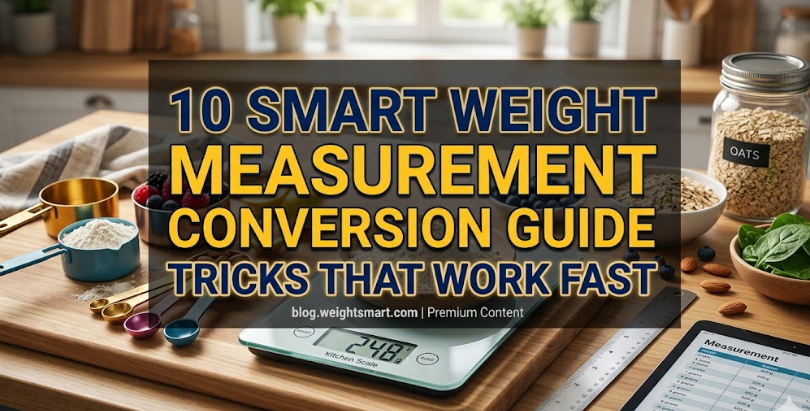

10 Smart Weight Measurement Conversion Guide Tricks That Work Fast
Weight conversions look simple on paper, but in real life they can slow you down—especially when you’re cooking, traveling, studying, or working with international systems. One moment you’re dealing with kilograms, the next with pounds, grams, or even ounces. If you’ve ever paused mid-task to Google a quick conversion, you already know the frustration.
This guide isn’t just about formulas. It’s about thinking differently—learning practical shortcuts, mental tricks, and real-world strategies that make weight conversions almost automatic. By the end, you won’t just know how to convert—you’ll feel the numbers.
Let’s get into it.
understanding why weight conversions matter more than you think
Before jumping into tricks, it helps to understand why this skill matters. Weight measurement systems vary across countries and industries. Scientists use grams and kilograms. Fitness enthusiasts talk in pounds. Recipes mix both. Shipping companies often use kilograms but price in pounds.
The result? Constant switching.
Being fluent in conversions saves time, reduces errors, and builds confidence. It also trains your brain to think numerically, which helps far beyond measurement tasks.
trick 1: memorize anchor numbers, not formulas
Instead of memorizing long formulas, focus on a few anchor conversions:
- 1 kilogram ≈ 2.2 pounds
- 1 pound ≈ 0.45 kilograms
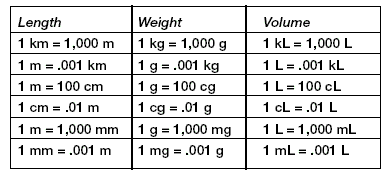
- 1 kilogram = 1000 grams
- 1 pound = 16 ounces
These anchors act like mental shortcuts. Once you know them, everything else becomes scaling.
Example:
If 1 kg ≈ 2.2 lb, then 5 kg ≈ 11 lb (just multiply).
You don’t need perfection—just a reliable estimate.
trick 2: use the “double and adjust” method
This is one of the fastest mental tricks.
To convert kilograms to pounds:
- Double the number
- Add 10% of the original value
Example:
10 kg
→ double = 20
→ 10% = 1
→ total ≈ 21 lb (actual is 22 lb, close enough for most uses)
This trick is fast and surprisingly accurate.
trick 3: break numbers into chunks
Large numbers can feel overwhelming, but breaking them down makes them manageable.
Example: convert 78 kg to pounds
- 70 kg → ~154 lb
- 8 kg → ~17.6 lb
- total ≈ 171.6 lb
This chunking technique reduces mental load and improves accuracy.
trick 4: round first, refine later
Precision isn’t always necessary. Start with a rounded number.
Example:
83 kg → round to 80
80 × 2.2 = 176 lb
Then adjust for the extra 3 kg (~6.6 lb)
Final ≈ 182.6 lb
This two-step approach is faster than calculating everything at once.
trick 5: use everyday reference weights
Your brain remembers stories better than numbers. So attach weights to familiar objects:
- A liter of water = 1 kg
- A smartphone ≈ 200 grams
- A bag of rice (common size) = 1–5 kg
- A newborn baby ≈ 3–4 kg
When converting, visualize these items. It helps you sense whether your answer makes sense.
trick 6: convert through grams for precision
When dealing with smaller values, go through grams.
Example:
0.75 kg
→ 750 grams
→ easier to work with in recipes or science
This is especially useful when accuracy matters, like in baking or lab work.
trick 7: learn the “half and quarter” shortcuts
Some conversions become easier when you think in halves or quarters.
Example:
1 kg ≈ 2.2 lb
So:
- Half kg ≈ 1.1 lb
- Quarter kg ≈ 0.55 lb
If you need 1.25 kg:
- 1 kg (2.2 lb) + 0.25 kg (0.55 lb)
= 2.75 lb
No calculator needed.
trick 8: reverse thinking makes you faster
Most people struggle more with reverse conversions (pounds to kilograms). Flip your thinking:
Instead of dividing by 2.2, multiply by 0.45.
Example:
150 lb × 0.45 ≈ 67.5 kg
Multiplication is faster mentally than division.
trick 9: build a mental conversion ladder
Think of units as steps:
milligrams → grams → kilograms → tons
Each step = ×1000 or ÷1000
This “ladder” approach helps you move quickly between units without confusion.
Example:
5000 grams
→ divide by 1000
= 5 kg
Simple, structured, and reliable.
trick 10: practice with real-life scenarios
The fastest way to master conversions is to use them daily:
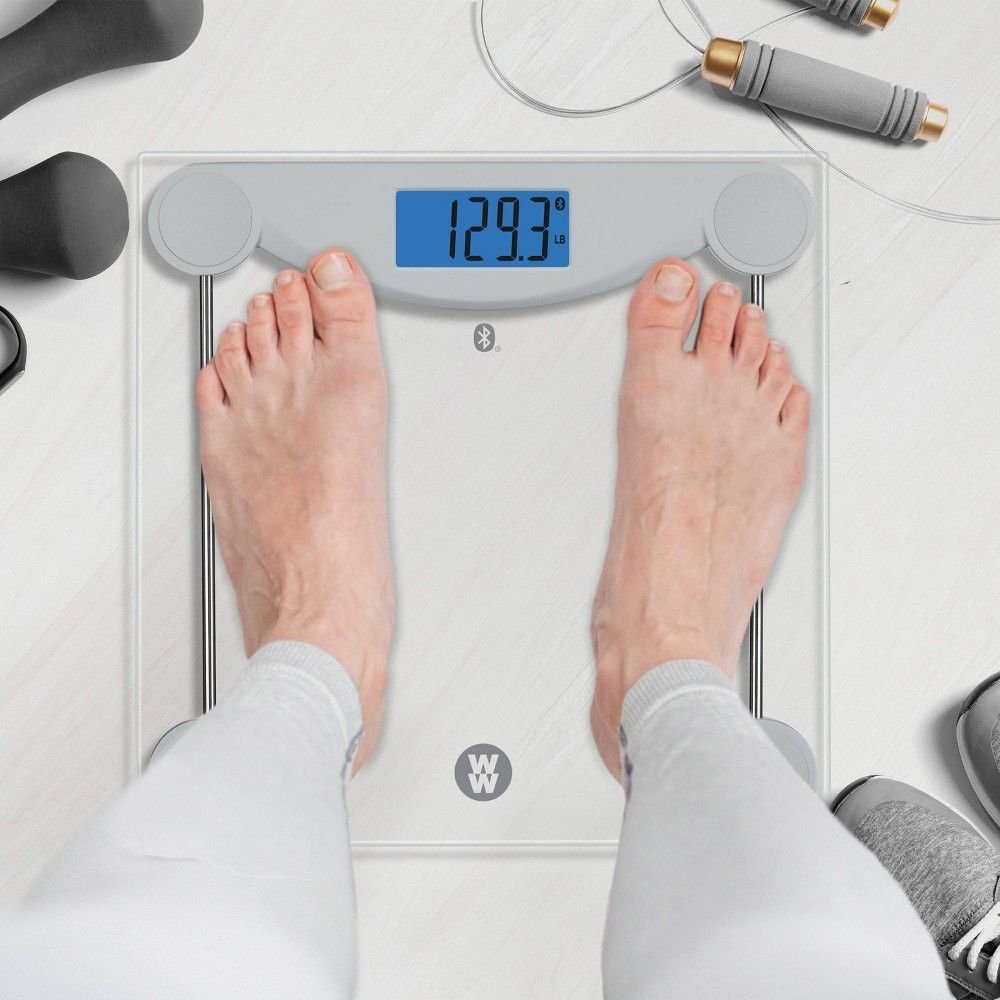
- Convert your body weight between kg and lb
- Read food labels in both units
- Estimate grocery weights
- Try mental conversions while cooking
The goal is familiarity, not memorization.
common mistakes people make (and how to avoid them)
Even with tricks, mistakes happen. Here are a few to watch for:
- Mixing units (grams vs kilograms)
- Forgetting decimal placement
- Over-rounding too early
- Using the wrong conversion direction
The fix? Slow down slightly at the final step and double-check your unit.
why mental conversion beats relying on tools
Tools are helpful, but they create dependency. Mental conversion builds independence.
When you can estimate quickly:
- You make faster decisions
- You catch errors instantly
- You gain confidence in unfamiliar situations
It’s like learning to navigate without GPS—you become more aware and capable.
how professionals use these tricks
Chefs, engineers, athletes, and scientists rarely rely on exact conversions in real time. They estimate first, then refine if needed.
A chef doesn’t stop mid-recipe to calculate perfectly—they approximate and adjust.
A fitness coach quickly converts client weights between systems.
A traveler estimates luggage weight without overthinking.
Speed matters more than perfection in most cases.
building long-term conversion intuition
At first, these tricks may feel forced. That’s normal.
Over time, something interesting happens:
You stop calculating—and start recognizing.
You’ll look at “10 kg” and instantly feel “about 22 pounds” without thinking.
That’s intuition.
And it comes from repetition, not memorization.
practical exercises to sharpen your skills
Try these daily for a week:
- Convert your weight every morning
- Estimate grocery weights before checking
- Convert recipe ingredients mentally
- Practice 5 random conversions per day
Within days, you’ll notice improvement.
how to stay consistent without getting bored
Make it part of your routine:
- Turn it into a quick game
- Challenge yourself with time limits
- Practice during idle moments
Consistency beats intensity.
final thoughts
Weight conversion doesn’t have to be slow or confusing. With the right tricks, it becomes quick, intuitive, and even enjoyable.
You don’t need perfect accuracy every time. What you need is confidence, speed, and a solid mental framework.
Start small. Practice often. And let your brain do the rest.
FAQs
- What is the fastest way to convert kilograms to pounds?
The quickest method is to double the kilograms and add about 10% of the original value. It’s fast and fairly accurate. - How can I convert pounds to kilograms without a calculator?
Multiply the number of pounds by 0.45. This gives a close estimate in kilograms. - Why do different countries use different weight systems?
Measurement systems evolved historically. Some countries adopted metric units, while others continued using imperial systems. - Is it necessary to be perfectly accurate in conversions?
Not always. For everyday tasks, estimates are usually enough. Precision is only critical in scientific or technical contexts. - What is the easiest unit to use for small weights?
Grams are the most practical for small measurements because they avoid decimals and are easier to visualize. - How long does it take to get good at weight conversions?
With daily practice, most people become comfortable within a week or two. True intuition develops over time.