











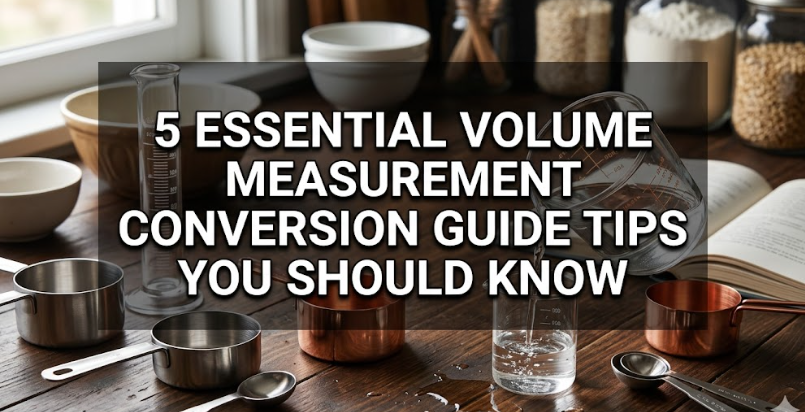

5 Essential Volume Measurement Conversion Guide Tips You Should Know
There’s something quietly satisfying about getting measurements right. Whether you’re cooking a family recipe, mixing chemicals in a lab, or simply pouring juice into a glass, volume plays a role more often than we notice. Yet, confusion creeps in quickly when units change—liters become cups, milliliters turn into ounces, and suddenly the numbers don’t feel as friendly anymore.
This guide doesn’t just throw formulas at you. It walks through practical thinking, relatable scenarios, and small habits that make volume conversion feel natural instead of mechanical. If you’ve ever hesitated before converting units, you’re exactly where you need to be.
- understand the relationship before memorizing anything
Most people start by trying to memorize conversion formulas. That works for exams, but not for real life. Instead, think in relationships.
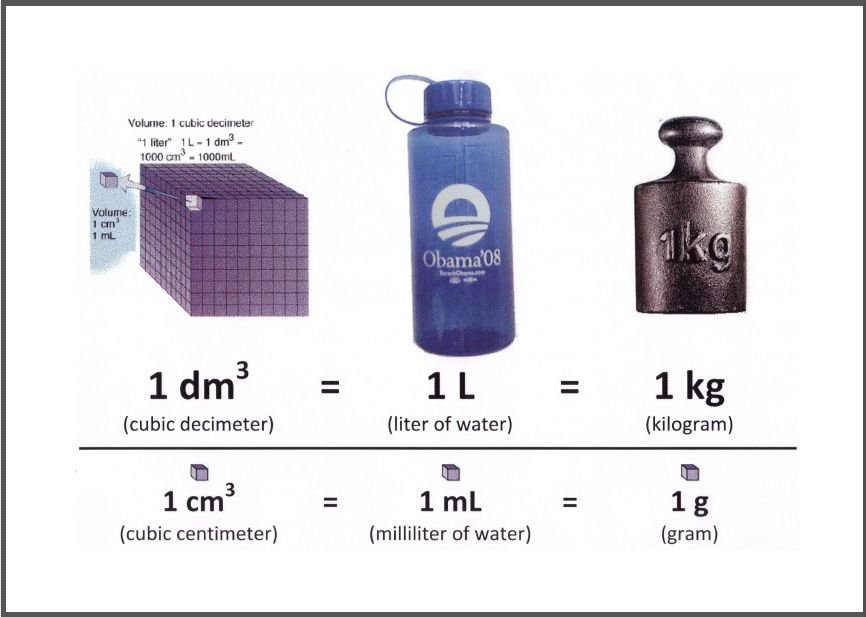
A liter is not just “1000 milliliters.” It’s a container—a large water bottle, for instance. A cup is not just “240 ml.” It’s a typical tea mug you might use every day. When you visualize units, you stop relying on memory alone.
Try this approach:
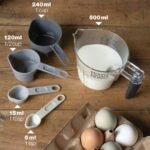
- 1 liter = about 4 cups
- 1 cup = about 250 ml (rough estimate)
- 1 tablespoon = about 15 ml
These aren’t perfect values, but they are incredibly useful for quick thinking.
Real-life example:
Imagine you’re following a recipe that needs 500 ml of milk, but your measuring tool only shows cups. Instead of panicking, you think:
500 ml is roughly 2 cups. That’s enough accuracy for most cooking.
This mindset removes stress and speeds up decisions.
- learn the “anchor conversions” that do most of the work
You don’t need to know every conversion. You only need a few anchor points, and everything else can be built from them.
Here are some anchors that simplify almost everything:
- 1 liter = 1000 ml
- 1 liter ≈ 4 cups
- 1 cup = 16 tablespoons
- 1 tablespoon = 3 teaspoons
With just these, you can navigate almost any volume problem.
Let’s break it down:
If you know 1 cup = 16 tablespoons, then half a cup is 8 tablespoons.
If 1 tablespoon = 15 ml, then 8 tablespoons = 120 ml.
You didn’t memorize “120 ml = half a cup.” You built it logically.
This method gives you flexibility instead of dependence.
- recognize the difference between us and imperial systems
One of the biggest sources of confusion is that not all “cups” or “gallons” are equal.
There are two main systems:
- US customary system
- Imperial (UK) system
For example:
- US cup ≈ 240 ml
- UK cup ≈ 250 ml
That difference may seem small, but in baking, it can affect results.
Think of it like this:
If a recipe comes from the US, stick to US conversions. If it’s from the UK, use imperial values. Mixing them can lead to subtle but noticeable mistakes.
Practical tip:
If you’re unsure, check the source of the recipe or instructions. It’s a small step that saves a lot of guesswork.
- use estimation as a powerful tool, not a shortcut
Estimation is often misunderstood. People think it means being careless, but in reality, it’s about being efficient.
Not every situation requires precision. If you’re cooking soup, estimating is perfectly fine. If you’re mixing medicine, precision is critical.
Here’s how to estimate effectively:
- Round numbers to make mental math easier
- Use familiar objects as references
- Stay consistent in your approximations
Example:
You need 750 ml of water. Instead of calculating exact conversions, think:
750 ml is roughly 3 cups (since 1 cup ≈ 250 ml).
That’s fast, practical, and good enough for most tasks.
- always match the measuring tool to the unit
This tip is often overlooked but makes a huge difference.
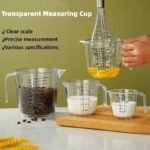
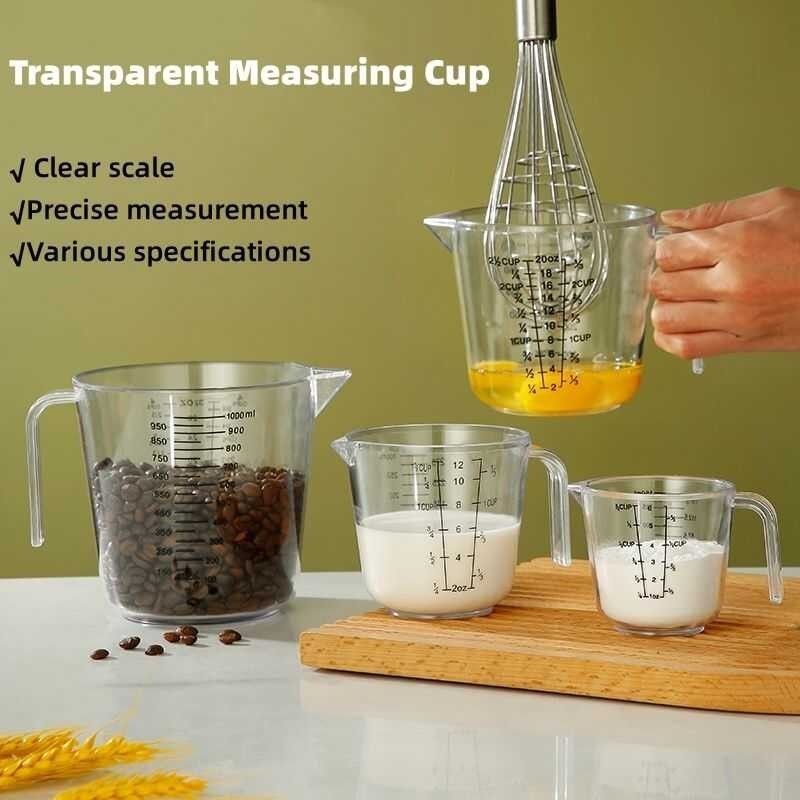
If your recipe is in milliliters, use a measuring jug with ml markings. If it’s in cups, use a cup measure.
Switching between tools introduces unnecessary conversions and increases the chance of error.
Think of it like language:
If someone speaks to you in English, you respond in English. You don’t translate to another language unless necessary.
Same with measurements—stay in the same “language” when possible.
Practical scenario:
You’re baking and the recipe calls for 1.5 cups of flour. Instead of converting to grams or milliliters, just use a cup measure. It’s quicker and more accurate.
how volume conversion shows up in everyday life
Volume conversion isn’t just for kitchens or classrooms. It appears in subtle ways:
Cooking
Recipes from different countries often use different units. Knowing how to convert helps you explore global cuisines without hesitation.
Health
Medicine doses are often measured in milliliters. Understanding conversions ensures accuracy and safety.
Travel
Buying fuel, drinks, or packaged goods abroad can involve unfamiliar units. Conversion skills help you make sense of quantities quickly.
DIY projects
From mixing paint to measuring liquids for cleaning solutions, volume plays a role in many tasks.
common mistakes people make (and how to avoid them)
Mistake 1: treating all cups as equal
Solution: check the system (US vs UK)
Mistake 2: over-relying on exact formulas
Solution: learn anchor values and estimate when appropriate
Mistake 3: ignoring context
Solution: decide whether precision or approximation is needed
Mistake 4: switching units unnecessarily
Solution: stick to the unit given whenever possible
Mistake 5: forgetting scale
Solution: visualize the quantity (small spoon vs large container)
a simple mental framework for any conversion
Whenever you face a volume conversion, follow this pattern:
- Identify the starting unit
- Recall the closest anchor value
- Adjust up or down logically
- Decide if estimation is acceptable
Example:
Convert 2 liters to cups:
- 1 liter ≈ 4 cups
- So 2 liters ≈ 8 cups
No calculator needed.
why mastering volume conversion saves time
Time isn’t just about speed—it’s about confidence. When you don’t hesitate, you move faster.
Instead of stopping to search for conversions, you make quick decisions. Over time, this builds a kind of intuition where numbers feel familiar rather than intimidating.
This is especially helpful in:
- Busy kitchens
- Exams
- Professional environments
- Daily routines
small habits that improve your accuracy
- Double-check units before starting
- Keep a mental list of anchor conversions
- Practice with real-life examples
- Avoid mixing systems unless necessary
- Use visual references whenever possible
These habits don’t take effort once they become routine.
a short reflective exercise
Next time you pour water into a glass, pause for a moment.
Ask yourself:
- How many milliliters is this?
- How many cups would it be?
This small awareness builds familiarity. Over time, you won’t need to think twice.
frequently asked questions (faqs)
- what is the easiest way to remember volume conversions
Focus on a few key anchor values like 1 liter = 1000 ml and 1 cup ≈ 250 ml. Build everything else from these instead of memorizing long lists. - is it okay to estimate conversions
Yes, as long as the situation allows it. For cooking, estimation works well. For medical or scientific use, always be precise. - why are there different cup sizes
Different measurement systems developed in different regions. The US and UK systems use slightly different definitions, which leads to variation. - how can i avoid conversion mistakes
Stick to one system, use the right measuring tools, and double-check your units before calculating. - do i need to memorize all conversion formulas
No. Understanding relationships between units is far more useful than memorizing formulas. - what is the most commonly used volume unit worldwide
The liter and milliliter are widely used globally, especially in scientific and everyday contexts.
closing thoughts
Volume conversion isn’t about numbers—it’s about understanding. Once you shift from memorizing to thinking in relationships, everything becomes easier.
You stop second-guessing yourself. You stop reaching for calculators every time. And slowly, almost without noticing, you become someone who just “gets it.”
That’s the real goal—not perfection, but confidence.