





















7 Fast Length Measurement Conversion Guide Fixes for Everyday Use
You don’t realize how often you convert measurements until you start noticing it. A quick glance at a furniture label, a recipe, a construction diagram, or even a clothing size chart—somewhere, a conversion is quietly happening in your head (or not happening, which is where the trouble begins).
This guide isn’t just about formulas. It’s about the small, practical fixes that save seconds, reduce confusion, and make your everyday life smoother. Think of it as a toolkit you carry mentally, one that turns “Wait… how many centimeters is that?” into instant clarity.
Let’s walk through seven fast fixes that actually work in real-life situations.
- The “Multiply by 10 or 100” shortcut for metric units
One of the easiest wins in length conversion comes from understanding how friendly the metric system really is. Unlike imperial units, which feel like a puzzle, metric units follow a simple pattern.
Meters, centimeters, and millimeters are just powers of ten.
Instead of memorizing complex formulas, you can rely on shifting decimal points:
- 1 meter = 100 centimeters
- 1 meter = 1000 millimeters
- 1 centimeter = 10 millimeters
So if you have 2.5 meters and want centimeters, you simply multiply by 100. That gives you 250 cm.
The fix here is mental reframing. Stop thinking in terms of conversion and start thinking in terms of scaling. Moving between metric units is just moving the decimal point left or right.
A quick everyday example:
You’re measuring a table that’s 1.75 meters long. Instead of grabbing a calculator, just shift the decimal two places → 175 cm.
No friction, no delay.
- The “rough anchors” trick for imperial conversions
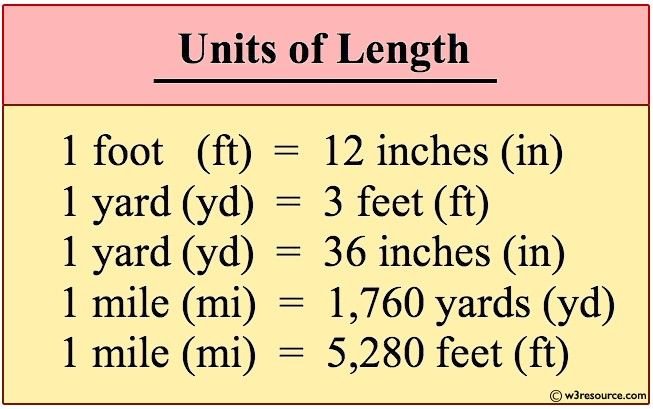
Imperial units aren’t as neat. Feet, inches, yards, and miles don’t follow a clean pattern, so instead of exactness, you aim for reliable approximations.
Here are a few anchors that work surprisingly well:
- 1 inch ≈ 2.5 cm
- 1 foot ≈ 30 cm
- 1 meter ≈ 3.3 feet
- 1 kilometer ≈ 0.62 miles
You don’t need perfect accuracy for most daily tasks. You need speed and “close enough.”
For example:
If something is 6 feet tall, you can quickly estimate:
6 × 30 = 180 cm
That’s already very close to the actual 182.88 cm.
This fix saves time because it removes hesitation. Instead of pausing to calculate precisely, you move forward with confidence.
- The “double and add a bit” method for inches to centimeters
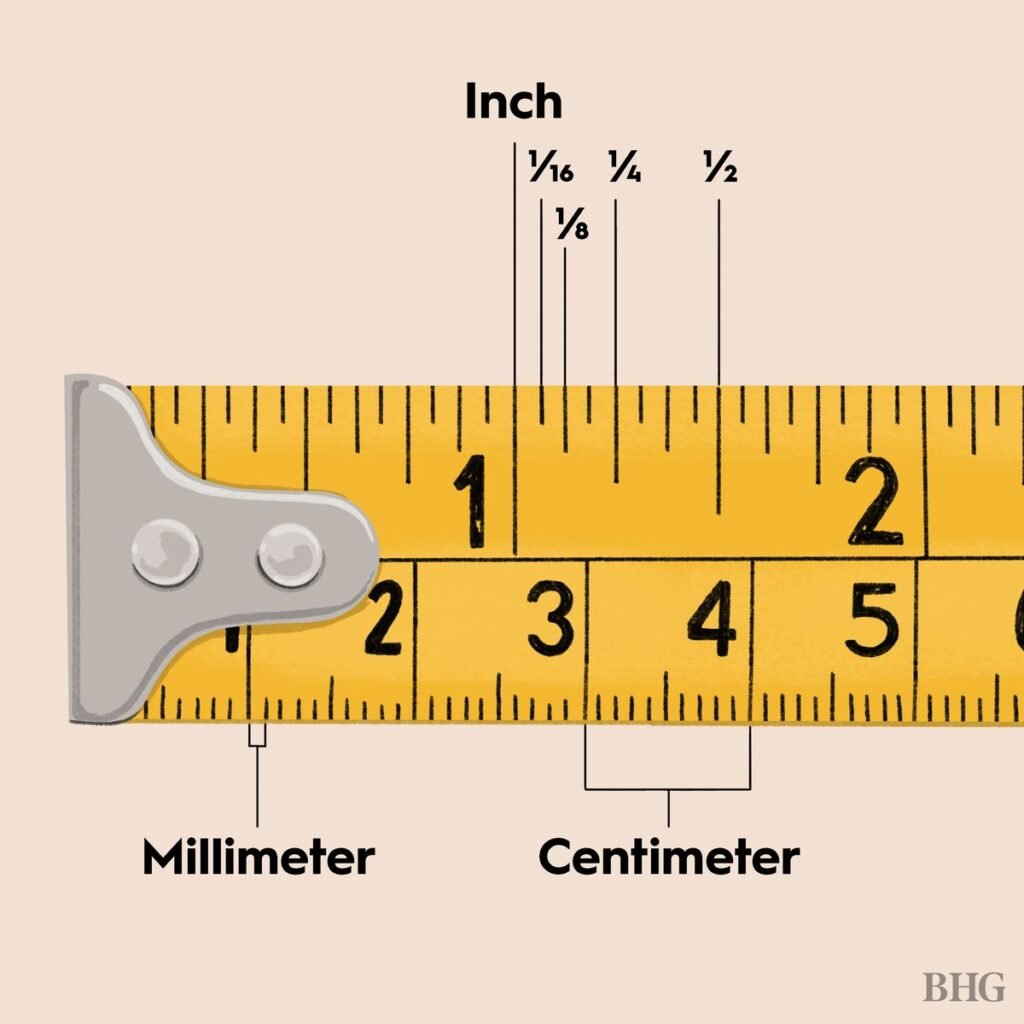
If you deal with inches often—like screen sizes, furniture, or DIY work—this trick becomes incredibly useful.
Instead of multiplying by 2.54 exactly, do this:
- Double the number
- Add about 10%
Example:
10 inches → double = 20
10% of 20 = 2
Total = 22 cm (actual is 25.4 cm, so for rough estimates, you can adjust by adding a bit more if needed)
For better accuracy:
Multiply by 2.5 instead of 2.54. That’s often good enough.
So:
10 inches × 2.5 = 25 cm
This is one of those fixes that trades tiny accuracy for speed—and in everyday life, that’s almost always worth it.
- The “visual memory mapping” technique
Numbers stick better when tied to something physical. Instead of memorizing abstract values, connect them to real-world objects.
For example:
- 1 meter ≈ the width of a doorway
- 30 cm ≈ a standard ruler
- 1 inch ≈ the width of your thumb
- 1 foot ≈ the length of a forearm
Now, when you hear a measurement, you don’t just think in numbers—you visualize it.
If someone says a shelf is 90 cm wide, you immediately picture three rulers side by side.
This fix turns conversions into intuition. Over time, you won’t even feel like you’re converting anymore—you’ll just “know.”
- The “divide by 3” shortcut for meters to feet
A very handy approximation:
1 meter ≈ 3.3 feet
If you want a fast mental conversion, just multiply by 3 or divide by 3 depending on direction.
Examples:
- 3 meters ≈ 9–10 feet
- 9 feet ≈ about 3 meters
If you need slightly better accuracy, add a little extra after multiplying by 3.
So:
5 meters → 5 × 3 = 15 → add a bit → ≈ 16.5 feet
This method is especially useful in travel, construction, and quick spatial judgments.
- The “chunking” method for large distances
When dealing with longer measurements—like kilometers or miles—it’s easier to break numbers into chunks.
Instead of converting 7.8 km all at once, split it:
- 5 km
- 2 km
- 0.8 km
Then apply your anchor:
1 km ≈ 0.62 miles
So:
5 km ≈ 3.1 miles
2 km ≈ 1.24 miles
0.8 km ≈ 0.5 miles
Total ≈ 4.84 miles
Chunking reduces mental overload and improves accuracy because you’re working with manageable pieces.
Digital tools are everywhere, and they’re incredibly useful—but only if you use them with awareness.
The key fix here is combining mental estimation with tools.
Before checking a converter, make a quick guess.
If your estimate and the result are wildly different, you’ll catch mistakes instantly.
For example:
If you expect 2 meters to be around 6 feet and a tool shows 20 feet, you know something’s off.
This habit builds confidence and prevents over-reliance on technology.
Practical conversion table for everyday use
Here’s a compact reference you can remember:
- 1 inch ≈ 2.5 cm
- 1 foot ≈ 30 cm
- 1 yard ≈ 0.9 m
- 1 meter ≈ 3.3 feet
- 1 kilometer ≈ 0.62 miles
Keep this in your head, and you’ll handle most daily situations without needing anything else.
Why these fixes matter more than formulas
Most people think conversion is about memorizing equations. It’s not.
It’s about speed, confidence, and reducing mental friction.
When you’re shopping, measuring, traveling, or building something, you don’t want to stop and calculate every time. You want quick clarity.
These fixes work because they match how the brain prefers to operate—through patterns, approximations, and visuals.
A short real-life scenario
Imagine you’re buying a rug online. The size is listed as 120 cm × 180 cm.
Instead of reaching for a calculator, you quickly convert:
120 cm ≈ 4 feet
180 cm ≈ 6 feet
Now you instantly know it’s about a 4×6 ft rug.
Decision made in seconds.
That’s the power of these small fixes.
Common mistakes people make (and how these fixes prevent them)
- Mixing units without realizing
Fix: Always anchor to one familiar unit first. - Overcomplicating simple conversions
Fix: Use approximations like 2.5 instead of 2.54. - Forgetting scale differences
Fix: Use chunking for large values. - Blindly trusting calculators
Fix: Always estimate first. - Trying to memorize everything
Fix: Focus on a few reliable anchors.
FAQs
- What is the fastest way to convert meters to feet mentally?
Multiply by 3 for a quick estimate, then add a little extra if needed. For example, 2 meters ≈ 6.6 feet. - Is it okay to use approximations instead of exact values?
Yes, for everyday use. Approximations are faster and usually accurate enough unless precision is critical. - How can I remember conversion values easily?
Use visual associations like a ruler (30 cm) or your thumb (1 inch). This builds intuitive memory. - Why is the metric system easier than the imperial system?
Because it’s based on powers of ten, which makes conversions as simple as moving decimal points. - When should I use a conversion tool instead of mental math?
When precision matters—like in engineering, medicine, or technical work. - How can I avoid conversion mistakes?
Estimate first, then calculate. If the result doesn’t match your expectation, double-check.
In the end, length conversion isn’t about mastering math—it’s about building habits. Small shortcuts, repeated often, turn into instincts. And once that happens, conversions stop being a task and start becoming second nature.