






























7 Fast Temperature Measurement Conversion Guide Methods That Save Time
There was a time when converting temperatures felt like solving a puzzle you didn’t ask for. You look at a recipe, a weather report, or a science problem, and suddenly you’re stuck between Celsius and Fahrenheit like someone dropped you in the middle of a conversation you don’t fully understand. Over time, though, patterns begin to appear. And once you recognize them, conversion stops being a chore and becomes almost instinctive.
This guide isn’t just about formulas. It’s about shortcuts, mental tricks, and real-life habits that make conversions faster, smoother, and far less frustrating. These seven methods are built from experience, small mistakes, and those moments when you needed a quick answer without reaching for a calculator.
method one: the “double and add thirty” shortcut
This is one of the fastest ways to approximate Celsius to Fahrenheit in your head. It’s not perfect, but it’s surprisingly close for everyday use.
Here’s how it works:
Take the Celsius value, double it, then add 30.
Example:
25°C → (25 × 2) + 30 = 80°F
The exact answer is 77°F, so you’re only off by a few degrees.
Where this shines is in daily situations—checking weather, cooking, or adjusting indoor temperatures. It’s fast, requires no tools, and gets you close enough to make decisions confidently.
The real lesson here is that accuracy isn’t always about precision. Sometimes, speed with reasonable accuracy is far more useful.
method two: reverse shortcut for fahrenheit to celsius
Going the other way can feel trickier, but there’s a matching shortcut:
Subtract 30, then divide by 2.
Example:
86°F → (86 − 30) ÷ 2 = 28°C
The exact value is 30°C, so again, close enough for practical use.
This method works best when you don’t need laboratory-level precision. It’s perfect for travel, casual conversation, or quick comparisons.
Over time, your brain starts adjusting automatically. You’ll begin to “feel” the temperature instead of calculating it.
method three: memorizing anchor points
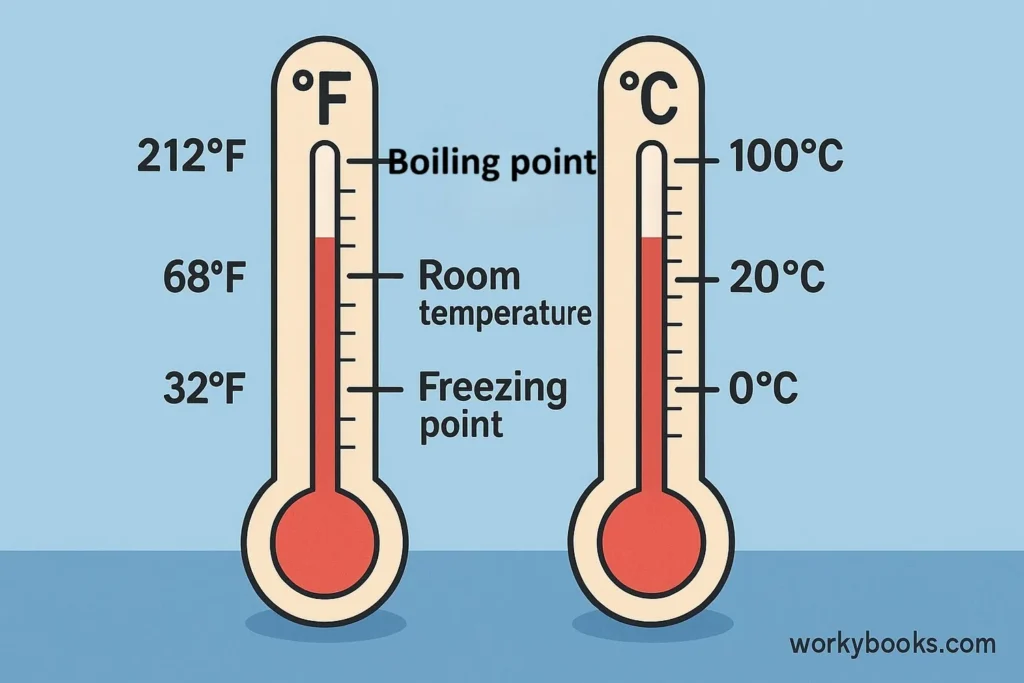
Instead of memorizing formulas, memorize key reference points. These become mental anchors that guide your estimates.
Some useful ones:
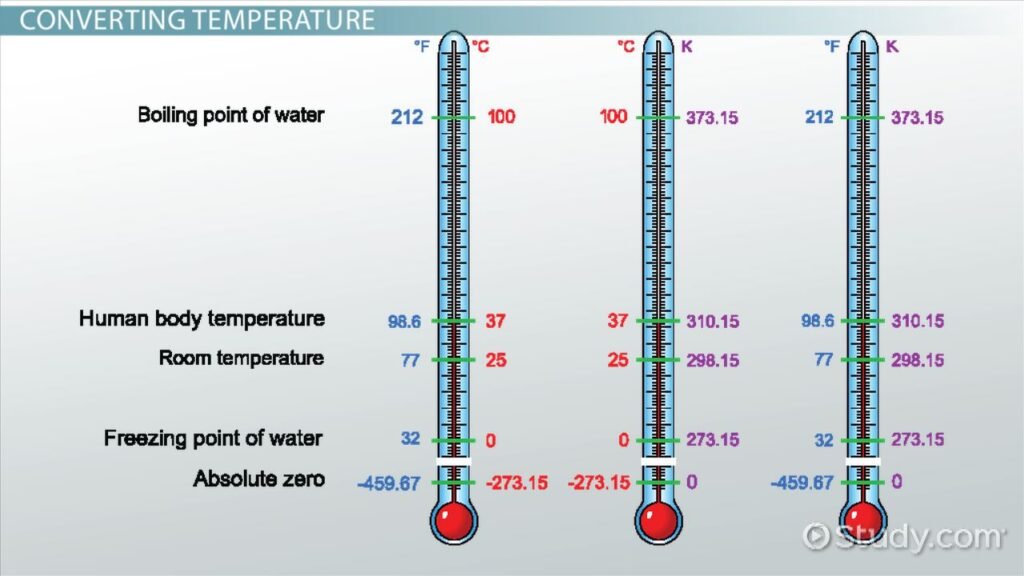
0°C = 32°F (freezing point of water)
10°C = 50°F (cool day)
20°C = 68°F (room temperature)
30°C = 86°F (warm day)
40°C = 104°F (very hot)
Once you know these, you can estimate anything in between.
For example:
If 25°C sits between 20°C and 30°C, you know it’s between 68°F and 86°F—roughly mid-70s.
This method builds intuition rather than reliance on math. It’s especially powerful because it sticks with you long-term.
method four: the “difference of 32” mindset
One of the biggest time-saving realizations is understanding why 32 matters.
The relationship between Celsius and Fahrenheit isn’t random. The offset of 32 degrees is constant. So instead of treating conversions as abstract formulas, think of them as adjustments.
If you’re converting Celsius to Fahrenheit:
First scale (multiply by 1.8), then shift (+32).
Even if you don’t calculate exactly, just remembering “add 32 after scaling” helps you mentally structure the process faster.
Over time, you won’t even think in formulas—you’ll think in steps.
method five: break numbers into friendly chunks
Large or awkward numbers slow you down. The trick is to break them into manageable pieces.
Example:
37°C
Instead of converting all at once:
30°C → 86°F
7°C → roughly 13°F (since 1°C ≈ 1.8°F)
Add them:
86 + 13 = 99°F (actual is 98.6°F)
By splitting the number, you reduce mental strain and increase speed. This method is especially helpful when dealing with unusual values like body temperature or scientific readings.
method six: use visual associations
Numbers alone can feel abstract, but when tied to real-world experiences, they become easier to recall.
Think like this:
0°C → ice forming
20°C → comfortable room
37°C → human body temperature
100°C → boiling water
Now when you see a number, you don’t just see digits—you see a scenario.
This approach saves time because you skip calculation entirely. You simply compare and estimate based on experience.
method seven: practice micro-conversions daily
The fastest method isn’t a trick—it’s repetition.
Everyday moments offer opportunities:
Checking weather apps
Cooking instructions
Watching international content
Reading scientific data
Instead of ignoring the unfamiliar unit, pause and convert it mentally. Even if you’re slightly wrong, the habit builds speed and confidence.
Over time, you’ll notice something interesting: you stop translating entirely. You begin to understand both systems naturally.
a quick comparison table for fast recall
Celsius | Fahrenheit | Feel
0 | 32 | freezing
10 | 50 | chilly
20 | 68 | comfortable
25 | 77 | warm
30 | 86 | hot
40 | 104 | very hot
Keep this in mind, and most conversions become instant estimates.
why speed matters more than perfection
In theory, exact formulas are ideal. In reality, speed often matters more. When you’re adjusting an oven, planning your day, or interpreting data quickly, you don’t need decimal-level accuracy.
You need confidence.
These methods are about reducing hesitation. The less you pause to calculate, the more natural the process becomes.
common mistakes that slow people down
Relying too heavily on exact formulas
Forgetting the +32 offset
Trying to convert large numbers in one step
Not using reference points
Avoiding practice in real situations
Each of these creates friction. Removing them makes everything smoother.
how these methods work together
The real power comes from combining methods.
You might:
Use anchor points for estimation
Apply “double and add thirty” for speed
Break numbers into chunks for precision
It’s not about choosing one method. It’s about adapting based on the situation.
the mindset shift that changes everything
At first, temperature conversion feels like math. Eventually, it becomes language.
You stop translating word-for-word and start understanding meaning directly.
25°C stops being “77°F” and starts being “a warm, pleasant day.”
0°C stops being “32°F” and starts being “ice on the ground.”
That shift is what truly saves time.
mini practice section
Try these mentally:
- 15°C → (15 × 2) + 30 = 60°F (actual: 59°F)
- 70°F → (70 − 30) ÷ 2 = 20°C
- 5°C → halfway between 0°C and 10°C → about 41°F
The more you practice like this, the faster you get.
frequently asked questions
- is the “double and add thirty” method accurate enough?
Yes, for everyday use it’s more than sufficient. It usually stays within 2–3 degrees of the exact value, which is perfectly acceptable for weather, cooking, or casual needs.
- why is 32 added in conversions?
Because the Fahrenheit and Celsius scales start at different reference points. Celsius uses water freezing at 0, while Fahrenheit sets it at 32. That difference must always be accounted for.
- what’s the fastest way to convert without any math?
Memorizing anchor points is the quickest. Once you know key values, you can estimate almost instantly without calculations.
- how can i improve my speed over time?
Practice during daily activities. Convert temperatures you see around you—weather apps, recipes, or even conversations. Repetition builds instinct.
- which method is best for beginners?
Start with anchor points and the “double and add thirty” shortcut. These are easy to learn and provide immediate results.
- do professionals use shortcuts or exact formulas?
It depends on the context. In scientific settings, exact formulas are used. But in everyday scenarios, even professionals rely on quick estimation methods to save time.
closing reflection
Temperature conversion doesn’t have to be slow, technical, or frustrating. With the right mindset and a few practical methods, it becomes something you can do almost without thinking.
The real goal isn’t memorizing formulas—it’s building familiarity. Once that happens, numbers turn into meaning, and conversions become second nature.
And when that moment comes, you’ll realize you’re no longer “converting” temperatures at all—you’re simply understanding them.