













11 proven length measurement conversion guide methods that save time
If you’ve ever found yourself pausing mid-task to convert inches to centimeters or kilometers to miles, you already know how disruptive it can be. Conversions sound simple—until you’re doing them repeatedly, under pressure, or without a calculator. Over time, small inefficiencies pile up. Minutes get lost. Mistakes sneak in.
This guide is built differently. Instead of throwing formulas at you, it walks through practical, field-tested methods that actually save time in real-world situations—whether you’re a student, engineer, traveler, builder, or someone just trying to follow a recipe correctly.
Each method below is designed to reduce thinking time, minimize errors, and help you move faster with confidence.
method 1: memorize anchor conversions instead of full tables
Most people try to memorize entire conversion tables. That’s exhausting and unnecessary. Instead, focus on a few anchor points that unlock everything else.
For example:
- 1 inch ≈ 2.54 cm
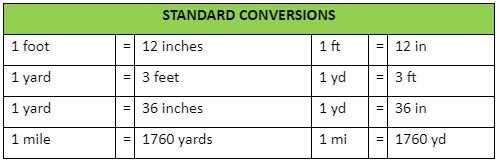
- 1 foot = 12 inches
- 1 meter ≈ 3.28 feet
- 1 kilometer ≈ 0.62 miles
With just these four anchors, you can mentally build almost any conversion.
Example:
If 1 meter ≈ 3.28 feet, then 2 meters ≈ 6.56 feet. You don’t need a table—you just scale.
Why this saves time:
You reduce memory load and rely on multiplication instead of lookup.
method 2: use “close enough” rounding for speed
Precision is important—but not always. In many cases, speed matters more than perfect accuracy.
Instead of:
1 inch = 2.54 cm
Use:
1 inch ≈ 2.5 cm
Now conversions become faster:
8 inches ≈ 8 × 2.5 = 20 cm (actual: 20.32 cm)
That’s a tiny difference, but a big time saver.
When to use this:
- Rough estimates
- Quick planning
- Mental calculations
When not to use:
- Engineering measurements
- Scientific data
- Legal/official work
method 3: convert to a base unit first
Trying to jump between two unfamiliar units slows you down. Instead, always pass through a base unit.
Example:
Convert yards to centimeters
Step 1: yards → meters
Step 2: meters → centimeters
This two-step method is faster than guessing a direct conversion.
Why it works:
Meters act as a “universal translator” in the metric system.
method 4: build a mental conversion ladder
Think of units as steps on a ladder:
millimeter → centimeter → meter → kilometer
Each step is ×10 or ÷10.
Example:
500 cm → meters
Move up 2 steps → 5 meters
This eliminates calculation entirely—you just shift the decimal.
method 5: use fraction shortcuts for imperial units
Imperial units often feel messy, but fractions simplify them.
Key idea:
- 1 foot = 12 inches
- Half a foot = 6 inches
- Quarter foot = 3 inches
Example:
18 inches
= 12 + 6
= 1.5 feet
No calculator needed.
method 6: memorize real-world references
Abstract numbers are hard to recall. Real-world comparisons stick.
Examples:
- A door height ≈ 2 meters
- A football field ≈ 100 meters
- Your hand span ≈ 20 cm
Now instead of calculating, you visualize.
Example:
“How long is 3 meters?”
→ About 1.5 doors tall
This speeds up estimation dramatically.
method 7: use doubling and halving tricks
Multiplying by awkward numbers slows you down. Instead, break them.
Example:
Convert 5 meters to feet
1 meter ≈ 3.28 feet
Instead of:
5 × 3.28
Do:
(5 × 3) + (5 × 0.28)
= 15 + 1.4
= 16.4 feet
Or even faster:
Double and adjust:
2m ≈ 6.56
4m ≈ 13.12
+1m ≈ 3.28
Total ≈ 16.4
method 8: keep a “conversion cheat pattern”
Instead of remembering numbers, remember patterns.
Metric:
- Moving right → multiply by 10
- Moving left → divide by 10
Imperial:
- Inches → feet → yards → miles
- Each step is a fixed number (12, 3, 1760)
This pattern-based thinking reduces confusion.
method 9: group conversions into chunks
Large numbers become easier when grouped.
Example:
Convert 10,000 meters to kilometers
Instead of thinking:
10,000 ÷ 1,000
Think:
10 thousands → 10 km
Chunking makes your brain process faster.
method 10: practice reverse conversions
Most people only practice one direction.
But speed comes when you can go both ways instantly.
Example:
If you know:
1 meter ≈ 3.28 feet
You should instantly know:
1 foot ≈ 0.3 meters
This flexibility saves time when switching contexts.
method 11: use tools smartly, not blindly
Digital converters are powerful—but only if used correctly.
Instead of:
Typing every small conversion
Use them for:
- Complex numbers
- Final verification
- Bulk conversions
And rely on mental shortcuts for quick work.
The best approach is hybrid:
Fast estimation + tool confirmation
practical scenarios where these methods shine
construction work
Builders constantly switch between feet, inches, and meters. Memorizing anchor points and using fraction shortcuts can save hours over time.
travel
Road signs in kilometers vs miles can confuse travelers. Quick mental conversions help you adapt instantly.
education
Students benefit from ladder methods and chunking to avoid calculator dependence.
design and crafting
Accuracy matters, but speed also counts. Using rounding first, then refining, is highly effective.
common mistakes that waste time
over-reliance on exact numbers
Trying to be perfectly accurate every time slows you down unnecessarily.
memorizing too much
People often overload their memory instead of using smarter strategies.
skipping estimation
Jumping straight to calculation increases errors.
not practicing regularly
Conversion speed fades without repetition.
how to build long-term conversion speed
- practice daily with small examples
- test yourself without tools
- use real-life situations
- mix units randomly
- teach someone else
Teaching forces clarity—and locks knowledge in place.
quick reference mini-table
Instead of long charts, keep this in mind:
- 1 inch ≈ 2.5 cm
- 1 foot ≈ 30 cm
- 1 meter ≈ 3.3 feet
- 1 km ≈ 0.6 miles
That’s enough for most situations.
a short reflective exercise
Try this without a calculator:
- Convert 2 meters to feet
- Convert 10 inches to cm
- Convert 5 km to miles
If you can do these in under 10 seconds, you’re already ahead of most people.
why speed matters more than perfection
In real life, decisions happen quickly. Whether you’re estimating materials, planning travel, or solving problems, being fast and reasonably accurate is often more valuable than being slow and perfect.
The goal is not just correctness—it’s efficiency.
faqs
- what is the fastest way to convert length units mentally?
The fastest way is to memorize a few anchor conversions (like 1 inch ≈ 2.5 cm) and use rounding. This reduces calculation time significantly. - should i memorize all conversion formulas?
No. It’s better to learn key reference points and build from them. Memorizing everything is inefficient and unnecessary. - when should i use exact conversions instead of estimates?
Use exact values in scientific, engineering, or legal contexts. For everyday tasks, estimates are usually sufficient. - how can i improve my conversion speed quickly?
Practice daily, use real-world examples, and challenge yourself to do conversions without a calculator. - is the metric system easier than the imperial system?
Yes, because it is based on powers of 10, making conversions much simpler and faster. - are digital converters better than mental math?
They are more accurate, but slower for simple tasks. The best approach is to combine both methods.
In the end, mastering length conversions isn’t about memorizing numbers—it’s about building intuition. Once your brain starts recognizing patterns, estimating becomes second nature, and what once felt like a chore becomes effortless.