




















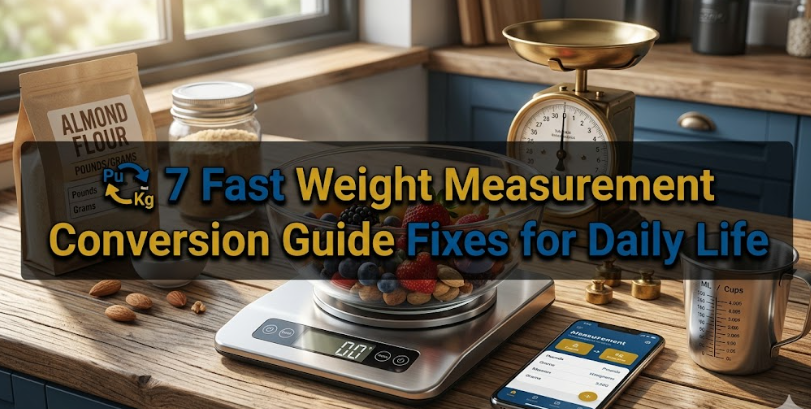

7 Fast Weight Measurement Conversion Guide Fixes for Daily Life
There is a quiet kind of frustration that sneaks into daily routines when numbers don’t quite make sense. You’re cooking from an international recipe, checking your luggage weight before a flight, or tracking your fitness progress, and suddenly you’re stuck converting kilograms into pounds or grams into ounces. It feels like a small thing, but it slows everything down. Over time, these tiny interruptions pile up.
The truth is, weight conversions are not difficult—they just haven’t been simplified in a way that fits real life. Most people either memorize a few rough numbers or rely entirely on apps. But there’s a middle ground: practical shortcuts, intuitive fixes, and mental anchors that make conversions feel natural rather than mechanical.
This guide walks through seven practical fixes that make weight conversion faster, easier, and more intuitive. These are not textbook methods—they are everyday tools you can actually use.
fix 1: understand the core relationship instead of memorizing random numbers
Most people try to memorize isolated conversions. For example, they remember that 1 kilogram equals 2.20462 pounds. But that number is too precise to be useful in daily thinking. It becomes something you look up, not something you understand.
A better approach is to anchor yourself in simple approximations:
1 kilogram ≈ 2.2 pounds
1 pound ≈ 0.45 kilograms
Once you internalize this, conversions become flexible. You don’t need exact precision for most daily tasks. If you’re weighing groceries, checking luggage, or adjusting a recipe, being within a small margin is perfectly fine.
Think of it this way: instead of memorizing numbers, you’re learning a relationship. That relationship becomes your mental shortcut.
fix 2: use doubling and halving as your default method
One of the fastest ways to convert kilograms to pounds is to double the number and then adjust slightly.
Example:
5 kg → double it → 10 → add a little extra → about 11 lb
Why this works: doubling gets you close, and the extra 10% accounts for the difference between 2 and 2.2.
Similarly, when converting pounds to kilograms:
Take half, then subtract a bit.
Example:
10 lb → half is 5 → subtract a little → about 4.5 kg
This method is fast because it relies on basic arithmetic your brain already handles easily.
fix 3: build a small “conversion memory bank”
Instead of trying to remember everything, memorize just a handful of anchor values. These act like reference points you can build from.
Here are some extremely useful ones:
1 kg ≈ 2.2 lb
5 kg ≈ 11 lb
10 kg ≈ 22 lb
50 kg ≈ 110 lb
100 kg ≈ 220 lb
Once you know these, you can estimate almost anything.
For example:
If something weighs 65 kg, you already know:
50 kg ≈ 110 lb
15 kg ≈ 33 lb
Total ≈ 143 lb
This method feels more like assembling than calculating.
fix 4: think in chunks instead of exact figures
Daily life rarely demands perfect precision. What you actually need is a sense of scale.
Instead of asking:
“What is exactly 3.7 kg in pounds?”
Ask:
“Is this closer to 7 lb or 9 lb?”
Chunking helps you move faster. It reduces mental load and keeps you focused on the outcome rather than the calculation.
This is especially useful in cooking. If a recipe calls for 500 grams and your scale shows pounds, you don’t need an exact conversion. You just need to know it’s roughly a little over 1 lb.
The brain prefers patterns over precision. Use that to your advantage.
fix 5: use visual anchors in everyday objects
Numbers become easier when they connect to something physical.
For example:
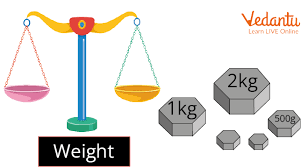
A standard bag of flour might weigh around 1 kg
A small dumbbell might weigh 5 kg
A large watermelon might weigh 8–10 kg
Once you associate weights with real objects, conversions become intuitive.
If someone tells you something weighs 20 pounds, you can mentally compare it to objects you’ve handled before. Then, converting it to kilograms becomes less about math and more about comparison.
This method is surprisingly powerful because it taps into memory rather than calculation.
fix 6: simplify gram and ounce conversions
Grams and ounces are where many people struggle, especially in cooking.
The key relationship:
1 ounce ≈ 28 grams
But instead of remembering 28 exactly, round it:
1 oz ≈ 30 g
This makes quick estimation easy.
Example:
100 g → roughly 3.5 oz
200 g → roughly 7 oz
If you need more accuracy, you can adjust slightly, but for most situations, this level of precision is enough.
Another helpful shortcut:
500 g ≈ 1.1 lb
This is extremely useful when dealing with packaged food or grocery items.
fix 7: rely on tools, but understand what they show
Digital tools are incredibly useful, but they shouldn’t replace understanding.
The interactive converter above lets you switch between units instantly. It’s fast and accurate. But its real value is in helping you see patterns.
Try entering a few numbers and noticing how they change. Over time, you’ll start recognizing conversions without needing the tool.
Think of it as training your intuition rather than outsourcing your thinking.
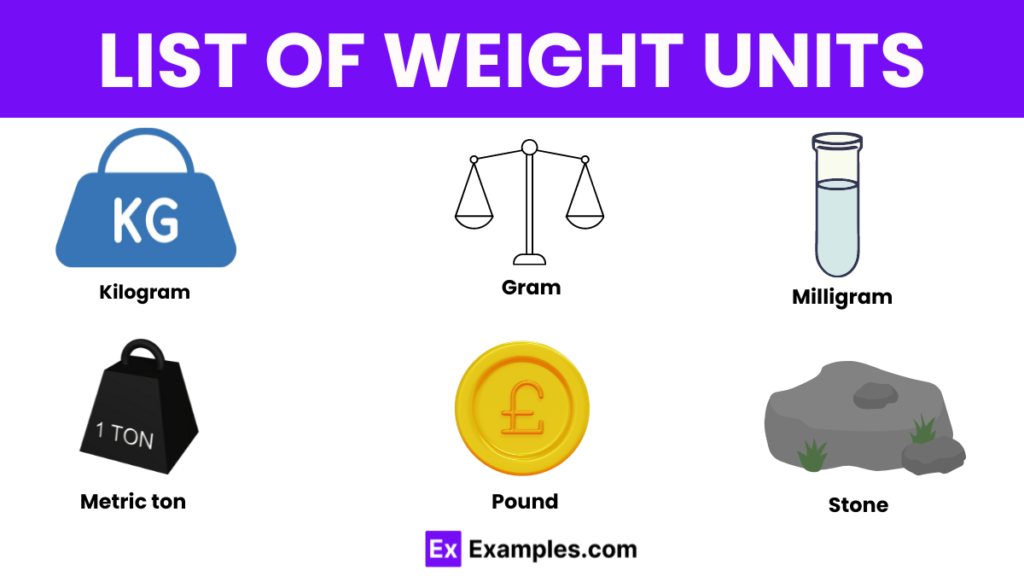
why these fixes actually work
What makes these methods effective is that they align with how the brain naturally processes information.
Humans are not built for precise decimal calculations on the fly. We’re better at approximation, comparison, and pattern recognition.
By shifting from exact numbers to relationships, chunks, and anchors, you reduce cognitive effort. The result is speed—not because you’re rushing, but because the process itself is simpler.
common situations where these fixes help immediately
Cooking:
Recipes often switch between grams, ounces, and pounds. With these shortcuts, you can adjust quantities without stopping to calculate.
Travel:
Airlines use different weight systems. Knowing quick conversions helps you avoid overpacking or paying extra fees.
Fitness:
Gym equipment and body weight tracking often involve both kilograms and pounds. Understanding conversions helps you stay consistent.
Shopping:
Imported goods may list weight in unfamiliar units. Quick estimation helps you make better decisions.
health and nutrition:
Portion sizes and dietary guidelines often mix units. Being able to convert quickly keeps you informed.
the hidden benefit: confidence
There’s something subtle that happens when you stop struggling with conversions. You move through tasks more smoothly. You hesitate less. You trust your estimates.
This confidence matters. It turns small, repetitive annoyances into seamless actions.
Instead of pausing to check your phone, you just know—or at least you know enough.
overcoming the fear of being “wrong”
Many people avoid mental conversion because they’re afraid of making mistakes. But in most daily situations, being slightly off doesn’t matter.
If your luggage is estimated at 21 kg instead of 22 kg, the difference is negligible. If your recipe is off by a few grams, it won’t ruin the dish.
Perfection is not the goal—functionality is.
Once you accept this, conversions become less stressful and more practical.
how to practice without feeling like studying
You don’t need formal practice. Just integrate these methods into your routine.
Next time you see a weight:
Pause for a second and estimate it in another unit.
Check your estimate if you want, but don’t treat it like a test. Treat it like curiosity.
Over time, your brain builds connections automatically.
a final thought on simplicity
The world uses different measurement systems, and that’s not likely to change anytime soon. But your approach to them can change.
Instead of treating conversions as a barrier, you can treat them as a skill—a small one, but a useful one.
Once you adopt these fixes, weight conversion stops being something you “deal with” and becomes something you simply do.
frequently asked questions
- what is the easiest way to convert kilograms to pounds quickly?
The fastest method is to double the kilograms and add about 10%. For example, 10 kg becomes roughly 22 lb. It’s not exact, but it’s very close and works well in daily situations. - how accurate do weight conversions need to be in everyday life?
In most cases, they don’t need to be perfectly accurate. Small differences rarely matter in cooking, shopping, or travel. Being within a reasonable range is usually enough. - why do some countries use kilograms while others use pounds?
Different measurement systems developed historically. Most of the world uses the metric system (kilograms), while countries like the United States still use pounds as part of the imperial system. - what is the simplest way to convert grams to ounces?
Divide grams by about 30 to get ounces. For example, 300 grams is roughly 10 ounces. This is a quick and easy approximation. - is it better to memorize conversions or use tools?
A combination of both works best. Tools provide accuracy, while memorized shortcuts give you speed and convenience in daily life. - how can I get better at conversions without studying formulas?
Practice casually. Estimate weights when you encounter them in real life, then check if you’re curious. Over time, your intuition improves naturally.