











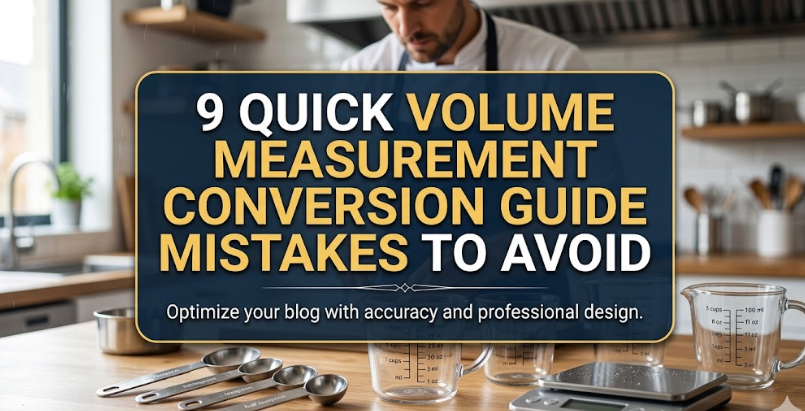

9 Quick Volume Measurement Conversion Guide Mistakes to Avoid
There’s something quietly frustrating about getting a recipe wrong, miscalculating liquid quantities, or ending up with a diluted mixture simply because of a small conversion mistake. Volume measurement seems simple on the surface—just numbers and units—but the reality is messier. Cups vary. Gallons differ by country. Even tablespoons can betray you.
This guide doesn’t just list mistakes. It walks through them the way they actually happen in real life—mid-cooking, mid-experiment, mid-rush—so you can recognize and avoid them before they cost you time, money, or results.
- confusing us and imperial systems without realizing it
One of the most common traps is assuming all “gallons” or “ounces” are the same. They’re not.
A US gallon is about 3.785 liters, while an imperial gallon is about 4.546 liters. That’s not a small difference—it’s significant enough to ruin recipes or distort measurements in technical settings.
Where people go wrong isn’t ignorance—it’s assumption. A recipe says “gallon,” and you grab what feels right. But unless the source clearly states the system, you’re guessing.
A better approach:
Pause and identify the origin of your source. American recipes? Likely US units. British or older Commonwealth sources? Possibly imperial.
That one moment of awareness can save a lot of correction later.
- treating tablespoons and teaspoons as universal
You might think a tablespoon is a tablespoon everywhere. Not quite.
In the US:
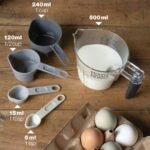
- 1 tablespoon = 15 mL
In some other regions:
- 1 tablespoon = 20 mL
That’s a 33% difference. If you’re scaling a recipe or working with precise mixtures, it adds up fast.
What makes this tricky is familiarity. You’ve used your spoon for years, so you trust it. But that comfort can hide inconsistency.
A practical fix:
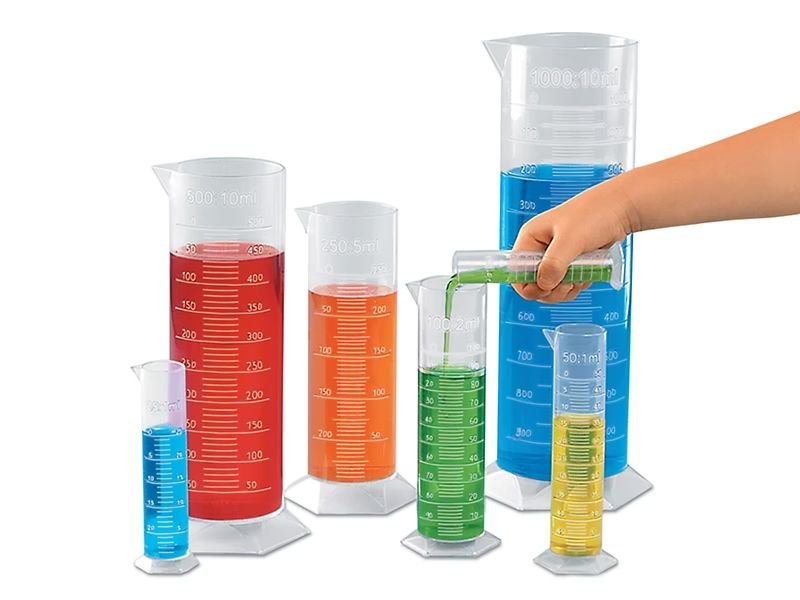
When precision matters, use milliliters instead of spoon-based units. It removes ambiguity entirely.
- ignoring density when converting between volume and weight
Volume and weight are not interchangeable unless you know the substance.
Water behaves nicely:
- 1 mL = 1 gram
But oil, flour, honey—each tells a different story.
For example:
- 1 cup of flour ≠ 1 cup of water in weight
- Honey is denser, so it weighs more per volume
The mistake here is subtle: applying a correct conversion in the wrong context.
How to avoid it:
Always ask yourself: “Am I converting volume to volume, or volume to weight?”
If it’s the latter, you need density.
- rounding too early in calculations
Rounding seems harmless. You convert 1 liter to cups and get 4.22675, then round it to 4.2. No big deal, right?
But if you’re scaling that up—say, multiplying by 10—you’ve already introduced an error. Now it’s amplified.
This mistake often shows up in:
- Batch cooking
- Chemical mixtures
- Large-scale preparation
A better habit:
Carry full precision through your calculations. Round only at the final step.
It’s a small discipline that makes a big difference.
- misreading abbreviations
Volume units love abbreviations:
- tbsp (tablespoon)
- tsp (teaspoon)
- fl oz (fluid ounce)
- oz (ounce—weight!)
That last one causes trouble. Fluid ounces measure volume. Ounces alone often refer to weight.
Mix them up, and you’re not just slightly off—you’re in the wrong measurement category entirely.
The safest move:
When in doubt, write the unit out fully in your notes or calculations. Clarity beats speed here.
- assuming all cups are the same size
A “cup” feels universal because it’s used so casually. But it varies:
- US cup: 240 mL
- Metric cup: 250 mL
That 10 mL difference might not matter for casual cooking, but in baking or precise mixtures, it absolutely does.
The deeper issue is reliance on informal tools—coffee mugs, random cups—rather than standardized measures.
Solution:
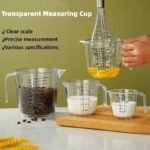
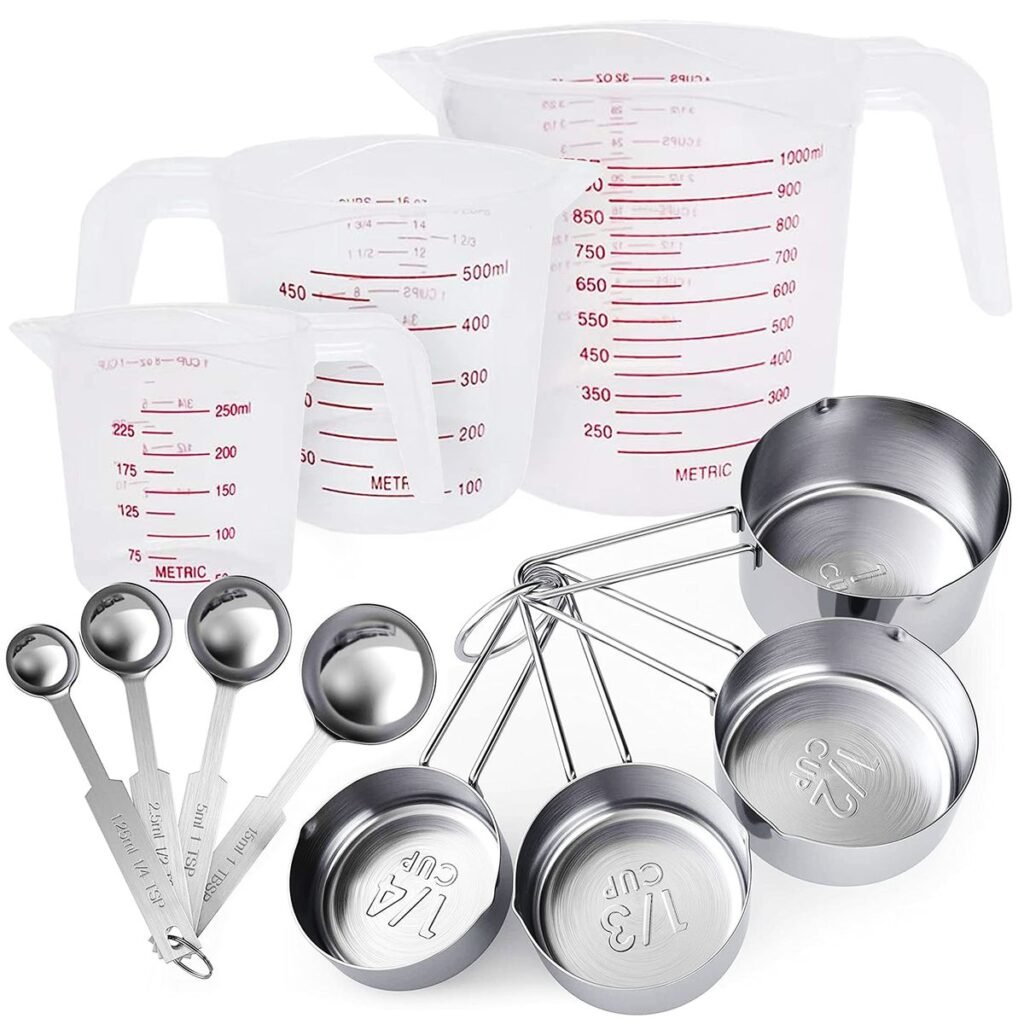
Use a proper measuring cup labeled with units. If you’re switching between systems, convert everything into milliliters for consistency.
- skipping unit consistency in multi-step conversions
Here’s a common scenario:
You convert liters to cups, then cups to tablespoons, then tablespoons to teaspoons. Somewhere along the way, you forget to align the system.
This creates compound errors—each step slightly off, leading to a final result that’s noticeably wrong.
What helps:
Stick to one system as long as possible. If you start in metric, stay in metric. If you must switch, do it once, not repeatedly.
- relying entirely on memory instead of checking
It’s tempting to rely on what you “remember”:
- 1 cup = 250 mL (sometimes true, sometimes not)
- 1 tablespoon = 10 mL (often incorrect)
Memory is efficient, but it’s also imperfect. Over time, small inaccuracies creep in.
A smarter approach:
Use quick tools (like the converter above) or keep a small reference chart nearby. It reduces mental load and increases accuracy.
- overlooking context—cooking vs scientific measurement
Not all volume conversions demand the same level of precision.
In cooking:
A slight variation might not ruin the dish.
In science, medicine, or manufacturing:
Even a tiny error can have serious consequences.
The mistake is applying casual standards to precise situations.
A useful mindset shift:
Before converting, ask: “How accurate does this need to be?”
Then match your method to that level of precision.
bringing it all together
Volume conversion isn’t just about formulas—it’s about awareness. Most mistakes don’t come from lack of knowledge, but from assumptions, habits, and small oversights.
The good news? Once you notice these patterns, they’re easy to correct.
Think of it like tuning an instrument. A slight adjustment makes everything sound better. The same applies here—small corrections lead to consistently accurate results.
Over time, you’ll find yourself double-checking less, not because you’re careless, but because you’ve built reliable instincts.
frequently asked questions
- why do volume units differ between countries?
Measurement systems developed independently across regions. The US and imperial systems share roots but evolved differently, leading to variations in units like gallons and cups. - is it better to use metric units for volume?
In most cases, yes. Metric units like liters and milliliters are standardized globally, making conversions simpler and more consistent. - can i safely estimate conversions in cooking?
For casual cooking, small estimates are usually fine. However, for baking or precise recipes, accurate conversions are important. - what’s the easiest way to avoid conversion mistakes?
Use a reliable converter or reference chart and stick to one measurement system throughout your process. - why is converting volume to weight tricky?
Because it depends on density. Different substances have different weights for the same volume, so a direct conversion isn’t always possible. - how can i improve accuracy over time?
Practice consistent methods, avoid rounding early, and verify unfamiliar conversions. Over time, accuracy becomes second nature.
If you keep these ideas in mind, volume conversion stops being a source of confusion and becomes just another tool you can rely on—quietly, confidently, and correctly.