











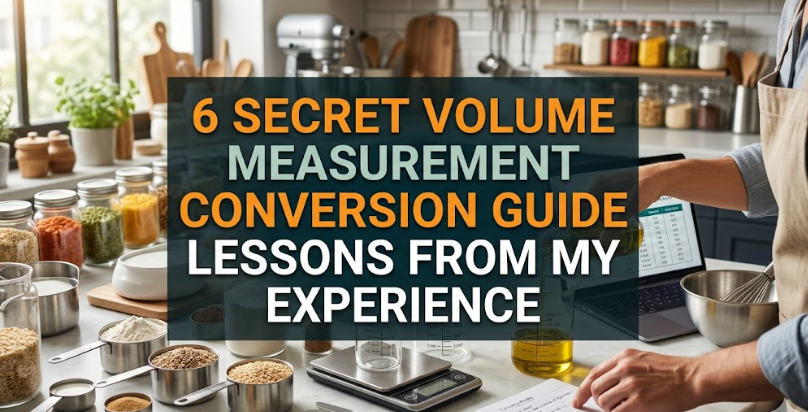

6 Secret Volume Measurement Conversion Guide Lessons from My Experience
There’s something quietly humbling about getting a simple measurement wrong. I learned that the hard way the first time I tried to double a soup recipe and somehow ended up with something that looked more like a science experiment than dinner. Volume conversions seem straightforward on paper—liters to milliliters, cups to ounces—but in real life, they carry nuance, context, and the occasional surprise.
Over the years, I’ve made mistakes, improvised solutions, and developed a kind of instinct around volume conversions. What follows isn’t just a guide—it’s a collection of lessons I wish I had understood earlier. These aren’t textbook rules. They’re lived experiences shaped by kitchens, classrooms, and moments where precision mattered more than I expected.
lesson one: not all cups are created equal
One of the earliest lessons that caught me off guard was the difference between measurement systems that use the same names but represent different values. A “cup” sounds universal, but it isn’t.
The first time I followed a recipe from a foreign blog, I assumed a cup was a cup. It wasn’t. The result? A batter too thin to hold shape. That was my introduction to the quiet divide between US customary measurements and imperial measurements.
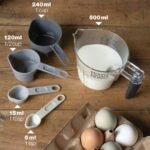
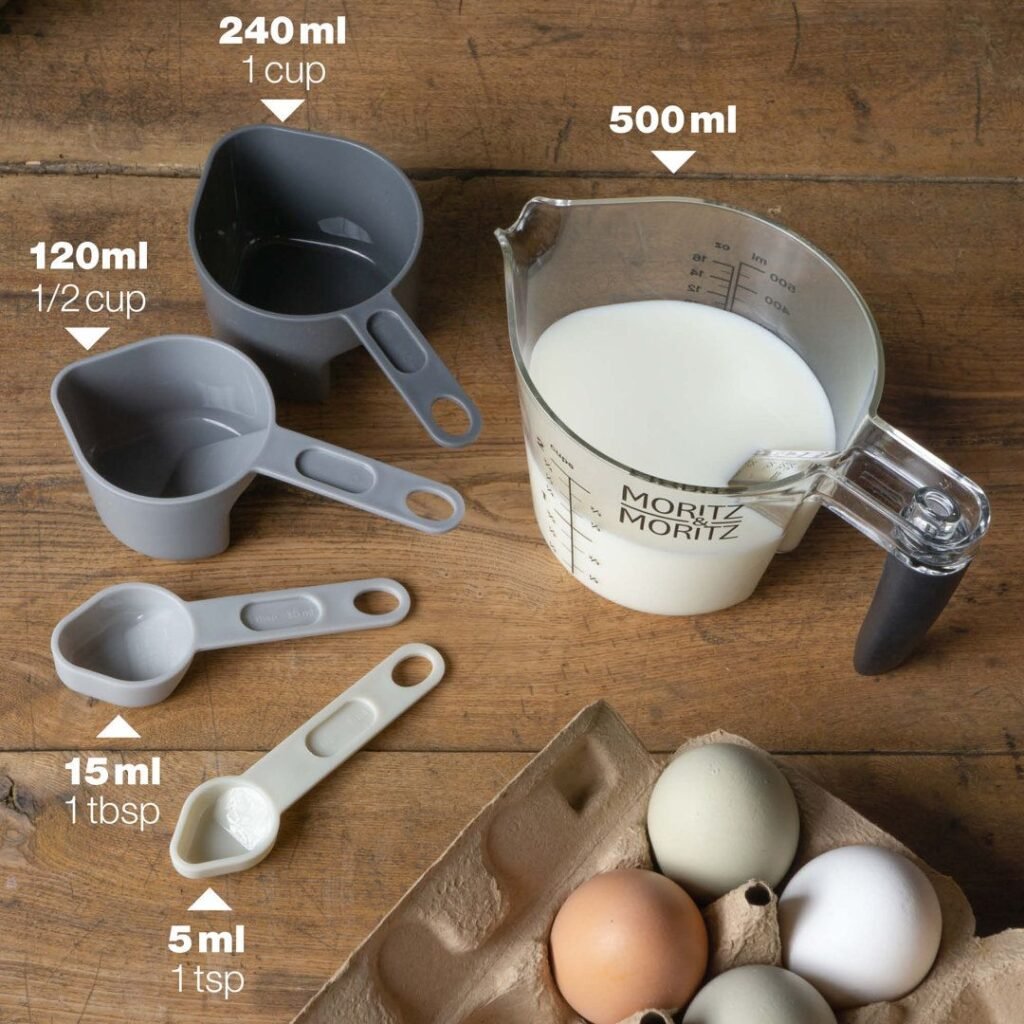
In the US system, one cup equals about 240 milliliters. In the imperial system, it’s closer to 284 milliliters. That difference may seem small, but in baking, it can completely change texture and structure.
The real lesson wasn’t just memorizing the numbers. It was learning to question assumptions. If a measurement looks familiar, that doesn’t mean it behaves the same.
lesson two: context changes everything
Volume conversions don’t exist in isolation. The context—what you’re measuring, how you’re measuring it, and why—can change everything.
I remember trying to convert a liquid recipe into grams because I thought weight would be more precise. That works well for water, where 1 milliliter equals 1 gram. But when I tried the same approach with oil, everything went off balance.
That’s when I understood that volume and weight are not interchangeable unless you know the density of the substance. Water is forgiving. Other ingredients are not.
This lesson reshaped how I approached conversions. Instead of blindly applying formulas, I started asking: what exactly am I measuring? Liquid? Powder? Something viscous?
lesson three: mental shortcuts save time—but only when practiced
There’s a point where constantly calculating becomes exhausting. That’s where mental shortcuts come in.
I trained myself to remember a few anchor conversions:
- 1 liter = 1000 milliliters
- 1 tablespoon ≈ 15 milliliters
- 1 teaspoon ≈ 5 milliliters
These became my internal reference points. From there, I could estimate larger or smaller amounts without reaching for a calculator.
But here’s the catch: shortcuts only work when they’re practiced enough to become instinctive. Early on, I made errors because I tried to rush without fully understanding the base values.
Over time, repetition turned those numbers into something like muscle memory. That’s when conversions started feeling natural instead of mechanical.
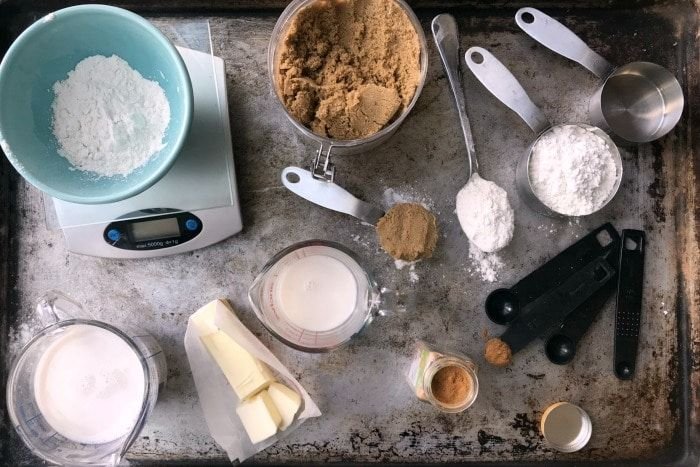
lesson four: tools matter more than you think
For a long time, I underestimated the importance of using the right tools. I thought any measuring cup or spoon would do.
Then I compared results using different tools and noticed inconsistencies. Some cups were slightly off. Some spoons weren’t standardized at all.
It was a subtle but important realization: accuracy depends not just on knowledge, but on the reliability of your tools.
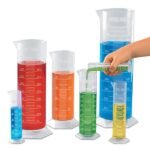
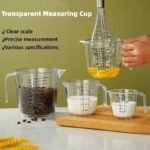
Now, I treat measuring tools with a bit more respect. I check their calibration. I use clear, standardized sets. And when precision matters, I avoid improvising with random containers.
lesson five: rounding errors add up quickly
At first, rounding seems harmless. What’s the difference between 14.8 milliliters and 15? Probably nothing, right?
But when you’re scaling recipes or repeating conversions, those small differences accumulate.
I once scaled a recipe by multiplying everything by three, rounding at each step. By the end, the final mixture was noticeably off. Not dramatically—but enough to affect taste.
That experience taught me to delay rounding until the final step whenever possible. It’s a small discipline that prevents bigger problems.
lesson six: understanding beats memorization
Perhaps the most important lesson I’ve learned is that understanding relationships matters more than memorizing isolated facts.
It’s easy to memorize that 1 liter equals 1000 milliliters. But understanding why—because “milli” means one-thousandth—makes the knowledge flexible.
Once you grasp the logic behind units, conversions stop feeling like a list of rules and start feeling like a system you can navigate.
This shift changed everything for me. Instead of feeling lost when encountering unfamiliar units, I began to see patterns and connections.
a closer look at everyday scenarios
To make these lessons more practical, let’s look at how they show up in real situations.
In cooking, volume conversions are constant. A recipe might call for 2 cups of broth, but your measuring jug only shows milliliters. Without thinking too hard, you translate that into roughly 480 milliliters.
In science experiments, precision becomes critical. A slight miscalculation can affect outcomes, especially when dealing with chemical reactions.
In daily life, even something as simple as filling a bottle involves implicit understanding of volume. You might not calculate it consciously, but your sense of measurement guides your actions.
patterns that make conversions easier
Over time, I started noticing patterns that simplified conversions:
- Larger units break into smaller ones by powers of ten in metric systems
- Non-metric systems often rely on fractional relationships
- Familiar reference points help anchor unfamiliar values
Recognizing these patterns reduces the need for constant calculation.
common mistakes I’ve made (and how to avoid them)
Looking back, my mistakes fall into a few predictable categories:
- Assuming units are universal
- Ignoring context
- Rounding too early
- Using unreliable tools
Each mistake taught me something, but they were avoidable with a bit more awareness.
If I could give one piece of advice, it would be this: slow down when learning, so you can move faster later.
building confidence over time
Confidence in volume conversion doesn’t come from reading formulas. It comes from using them repeatedly in real situations.
At first, you might double-check every step. That’s normal. Over time, you’ll start trusting your instincts.
Eventually, conversions become less about numbers and more about intuition. You develop a sense for what “looks right.”
why this matters more than it seems
Volume conversion might seem like a small skill, but it has broader implications.
It teaches attention to detail. It builds problem-solving ability. It encourages you to question assumptions.
These are transferable skills that go beyond measurements.
And in a world where small errors can lead to big consequences, that kind of awareness is valuable.
frequently asked questions
- what is the easiest way to remember volume conversions
Start with a few key reference points, like 1 liter equals 1000 milliliters and 1 teaspoon equals 5 milliliters. Practice using them in real situations until they become second nature. - why do different countries use different volume measurements
Measurement systems evolved historically in different regions. The metric system is standardized, while others like US customary and imperial systems developed separately. - can I convert volume directly to weight
Only if you know the density of the substance. For water, 1 milliliter equals 1 gram, but this doesn’t apply to all materials. - how do I avoid mistakes in conversions
Double-check units, avoid early rounding, and use reliable tools. Understanding the relationships between units also helps reduce errors. - are digital converters reliable
Yes, they’re useful for quick calculations. However, it’s still important to understand the basics so you can catch potential mistakes. - what’s the biggest mistake beginners make
Assuming that similarly named units are identical across systems. Always verify which system you’re working with.
In the end, volume conversion isn’t just about numbers. It’s about awareness, adaptability, and learning from experience. Once you move beyond memorization and start understanding the logic behind it, everything becomes simpler—and a lot more interesting.