



































9 Quick Temperature Measurement Conversion Guide Fixes for Beginners
Temperature is one of those everyday concepts that seems simple until you actually need to convert it. You might be cooking a recipe from another country, checking weather forecasts, or studying basic science, and suddenly you’re stuck between Celsius and Fahrenheit—or even Kelvin. For beginners, this can feel confusing at first, but with a few practical fixes, the process becomes surprisingly easy and even enjoyable.
This guide is not just a collection of formulas. It’s a hands-on, experience-based walkthrough designed to help you think in temperatures, not just calculate them. Along the way, you’ll see patterns, shortcuts, and relatable examples that make conversions feel natural instead of mechanical.
fix 1: understand the story behind each temperature scale
Before jumping into numbers, it helps to understand why different temperature scales exist. When you know the “why,” the “how” becomes easier.
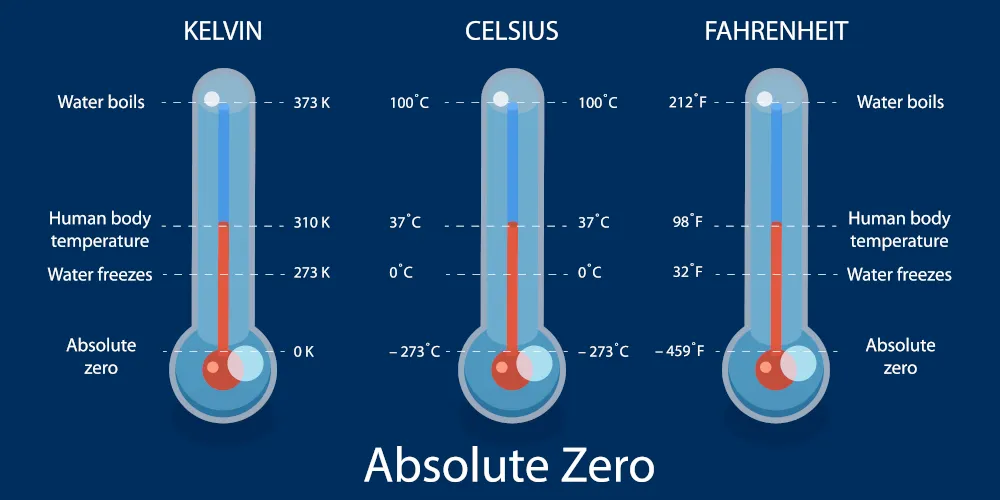
Celsius is built around water. Zero degrees is the freezing point, and 100 degrees is the boiling point. It’s logical and widely used in most countries.
Fahrenheit, on the other hand, was designed earlier and uses different reference points. Water freezes at 32°F and boils at 212°F.
Kelvin is used in science and starts at absolute zero, the point where all molecular motion theoretically stops.
Instead of memorizing numbers blindly, imagine water freezing and boiling. That mental image anchors your understanding. Once you know that Celsius spans 0 to 100 for water, you can visualize where Fahrenheit fits within that range.
Try this: imagine a cold winter morning. If it’s 0°C, that’s freezing. Now think of 32°F as the same moment. You’re not converting numbers—you’re matching experiences.
fix 2: memorize just one reliable formula
Many beginners get overwhelmed trying to remember multiple formulas. The truth is, you only need one main formula and a bit of logic.
Celsius to Fahrenheit:
F = (C × 9/5) + 32
Fahrenheit to Celsius:
C = (F − 32) × 5/9
Instead of memorizing both, focus on the first one. The second is just the reverse.
A helpful trick is to break it into steps:
Multiply by 9/5 (or 1.8), then add 32.
Let’s say you have 25°C:
25 × 1.8 = 45
45 + 32 = 77°F
Now, instead of seeing it as math, think of it as a transformation process. You stretch the number (multiply), then shift it upward (add 32).
fix 3: use approximation for everyday situations
Not every situation needs exact precision. If you’re deciding what to wear or adjusting oven temperature, an estimate works perfectly.
Quick approximation:
Double the Celsius value and add 30.
Example:
20°C → (20 × 2) + 30 = 70°F (actual is 68°F)
This method isn’t exact, but it’s close enough for daily use. It reduces mental effort and speeds up your thinking.
Over time, your brain starts recognizing patterns:
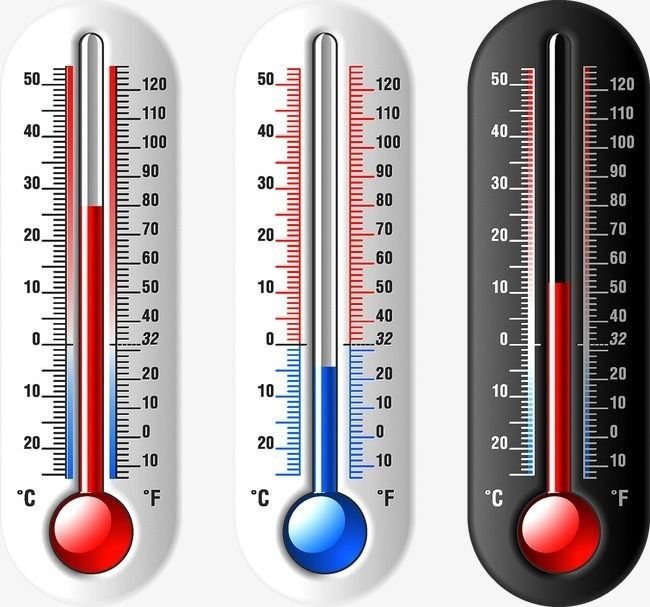
10°C ≈ 50°F
20°C ≈ 68°F
30°C ≈ 86°F
These become reference points you can rely on instantly.
fix 4: learn anchor temperatures
Instead of memorizing endless conversions, focus on key anchor points. These are temperatures you encounter frequently.
Here are some useful anchors:
0°C = 32°F (freezing point of water)
10°C ≈ 50°F (cool day)
20°C ≈ 68°F (room temperature)
30°C ≈ 86°F (warm day)
100°C = 212°F (boiling point of water)
Once these are familiar, you can estimate anything in between.
For example, if you know 20°C is 68°F, then 25°C must be slightly warmer—around mid-70s. You don’t need exact math; your intuition fills the gap.
fix 5: think in ranges, not exact numbers
Beginners often focus too much on precise values. But in real life, temperature is usually about ranges.
Instead of asking:
“What is exactly 27°C in Fahrenheit?”
Ask:
“Is this warm, hot, or mild?”
27°C is clearly warm. You know 30°C is around 86°F, so 27°C must be slightly lower—around 80°F.
This mindset shift reduces pressure and builds confidence. You’re no longer chasing perfect answers—you’re understanding the meaning behind the numbers.
fix 6: practice with real-life scenarios
The best way to learn conversions is by using them in context.
Cooking:
A recipe says bake at 180°C. You estimate:
180 × 2 + 30 = 390°F (actual is 356°F, but ovens are forgiving)
Weather:
You see 15°C. That’s between 10°C (50°F) and 20°C (68°F), so it’s around 60°F—mild and comfortable.
Travel:
If a forecast says 35°C, you know it’s hotter than 30°C (86°F), so expect around mid-90s°F—very hot.
These everyday examples reinforce your understanding without feeling like study.
fix 7: understand kelvin without fear
Kelvin often intimidates beginners, but it’s actually the simplest scale.
Conversion is straightforward:
K = C + 273.15
No multiplication, no fractions—just addition.
If it’s 25°C:
25 + 273.15 = 298.15 K
Think of Kelvin as Celsius shifted upward. Instead of starting at freezing point, it starts at absolute zero.
A helpful perspective:
0°C = 273 K
20°C = 293 K
100°C = 373 K
Once you see the pattern, Kelvin becomes predictable.
fix 8: avoid common beginner mistakes
Mistakes are part of learning, but knowing them in advance helps you avoid frustration.
Common errors include:
Forgetting to add 32 when converting to Fahrenheit
Mixing up multiplication and division
Using wrong order of operations
Confusing Kelvin with Celsius
One simple rule:
Always follow the formula step by step. Don’t rush.
Another tip is to check if your answer makes sense. If 0°C becomes something below 0°F, you know something went wrong.
fix 9: build a mental conversion habit
The final and most powerful fix is consistency. The more you use temperature conversions, the more natural they become.
Start small:
Convert daily weather temperatures
Estimate cooking temperatures
Compare Celsius and Fahrenheit regularly
Over time, your brain builds connections. You stop thinking in formulas and start thinking in equivalents.
For example, you’ll instantly recognize:
25°C feels like mid-70s°F
15°C feels like around 60°F
This is when conversion becomes second nature.
a short reflective exercise
Try this simple activity:
Write down three temperatures you experienced today. Maybe morning, afternoon, and evening. Convert each one mentally using approximation or anchors.
Then check your answers. Notice how close you were.
This small habit strengthens your intuition far more than memorizing formulas alone.
bringing it all together
Temperature conversion is not about memorizing complicated equations. It’s about understanding relationships between scales.
When you combine:
A basic formula
A few anchor points
Real-life practice
And approximation techniques
You create a system that works effortlessly.
Beginners often think they need to “learn everything” before they can use conversions. In reality, using them is how you learn.
So the next time you see a temperature in a different unit, don’t reach for a calculator immediately. Pause, estimate, and trust your growing understanding.
frequently asked questions
- why are there different temperature scales in the first place?
Different scales were developed at different times for different purposes. Celsius is based on water’s behavior, Fahrenheit was created earlier with different reference points, and Kelvin is used in science for absolute measurements. - which temperature scale should beginners focus on?
It depends on your region, but learning Celsius and Fahrenheit together is most useful. Kelvin can be added later, especially if you study science. - is it necessary to memorize all conversion formulas?
No. You only need one main formula and a general understanding of how to reverse it. Anchors and approximations are often more helpful. - how accurate are quick estimation methods?
They are usually close enough for everyday use like weather or cooking. For scientific work, you should use exact formulas. - what is the easiest way to remember key temperatures?
Focus on anchor points like freezing (0°C = 32°F), room temperature (20°C ≈ 68°F), and boiling (100°C = 212°F). These act as reference markers. - how long does it take to get comfortable with conversions?
With regular practice in daily life, most beginners become comfortable within a few weeks. The key is consistency, not intensity.
By applying these nine fixes, you move from confusion to confidence. Temperature conversion stops being a task—and starts becoming a skill you use without thinking.