









































6 Fast Weight Measurement Methods Everyone Should Know
Weight measurement plays a central role in health monitoring, fitness planning, shipping, laboratory research, agriculture, and even cooking. Yet, many people rely on only one familiar tool—the bathroom scale—without realizing that several quick and reliable methods exist for measuring weight depending on context and accuracy requirements.
This comprehensive guide explores six fast weight measurement methods everyone should know. You’ll learn how each method works, where it’s most useful, how accurate it is, and when to choose one over another. To make the information practical, the article includes comparison tables, technical breakdowns, real-world applications, and easy reference charts.
Why Accurate Weight Measurement Matters
Weight measurement is more than a number on a scale. It affects:
- Medical diagnoses and medication dosages
- Athletic performance tracking
- Industrial shipping costs
- Scientific experiments
- Nutritional planning
- Quality control in manufacturing
Even small inaccuracies can lead to miscalculations. For example:
- In healthcare, dosage errors can result from incorrect body weight.
- In logistics, a few kilograms can significantly impact freight pricing.
- In laboratories, milligram-level inaccuracies can alter experiment results.
Understanding the right method for the right scenario saves time and improves reliability.
Method 1: Digital Weighing Scale (Load Cell Technology)
How It Works
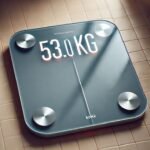
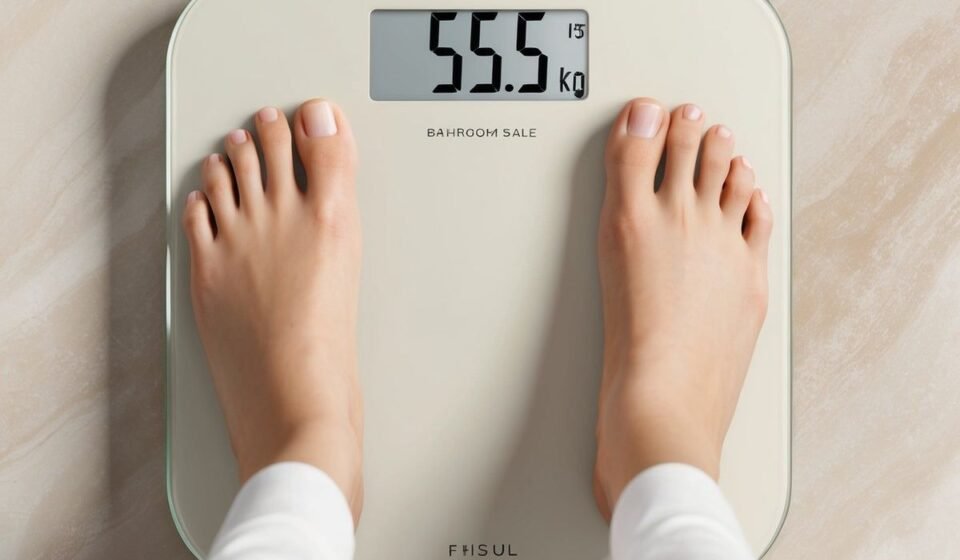
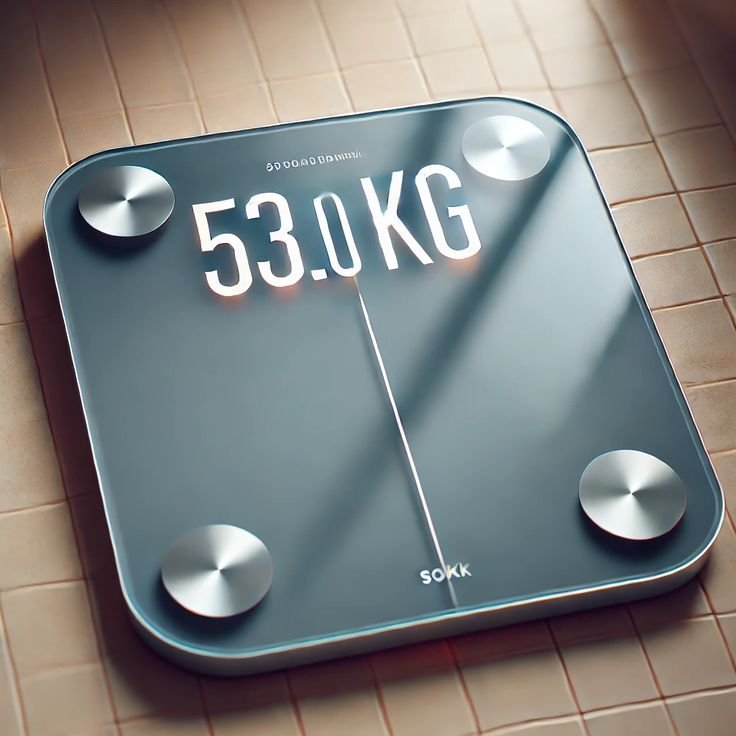
Digital scales use load cells, which are sensors that convert force (weight) into an electrical signal. When weight is applied, the load cell slightly deforms. This deformation changes electrical resistance, and the scale converts that signal into a weight reading.
Key Features
- Fast readings (usually within seconds)
- Digital display
- High precision
- Often includes body composition analysis
Common Types of Digital Scales
| Type of Digital Scale | Typical Use | Accuracy Range | Max Capacity |
|---|---|---|---|
| Bathroom Scale | Body weight | ±0.1–0.3 kg | 150–200 kg |
| Kitchen Scale | Food portions | ±1 gram | 5–10 kg |
| Industrial Platform Scale | Freight & packages | ±0.5–1 kg | 500–5000 kg |
| Laboratory Balance | Scientific measurement | ±0.001–0.01 g | 200–500 g |
Advantages
- Quick and user-friendly
- High accuracy
- Compact designs available
- Some models track data via apps
Limitations
- Requires battery or electricity
- Can be sensitive to uneven surfaces
- Calibration may drift over time
Best Use Cases
- Personal weight tracking
- Food measurement
- Shipping and logistics
- Medical facilities
Digital scales are the most widely used modern solution due to their speed and convenience.
Method 2: Mechanical (Analog) Scale
How It Works
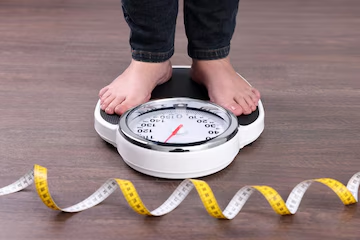
Mechanical scales operate using springs. When weight is applied, the spring compresses. The compression moves a needle across a dial indicating the measured weight.
No electricity is required.
Internal Mechanism Overview
- Weight applies force.
- Spring compresses proportionally.
- Lever system amplifies movement.
- Needle points to weight value.
Mechanical vs Digital Comparison
| Feature | Mechanical Scale | Digital Scale |
|---|---|---|
| Power Source | None | Battery/Electric |
| Reading Style | Dial & needle | Digital screen |
| Accuracy | Moderate | High |
| Durability | Very durable | Depends on electronics |
| Calibration | Manual | Often automatic |
Advantages
- Extremely durable
- No batteries required
- Works in harsh environments
Limitations
- Less precise
- Harder to read small increments
- May require manual zero adjustment
Best Use Cases
- Gyms
- Industrial settings
- Locations without electricity
- Outdoor fieldwork
Mechanical scales remain reliable tools despite the rise of digital systems.
Method 3: Balance Scale (Beam Balance)
How It Works
The beam balance compares an unknown weight with known standard weights. When both sides balance horizontally, the masses are equal.
This method does not rely on gravity measurement but comparison, making it extremely accurate.
Structure Components
- Central pivot
- Two pans
- Calibrated beam
- Standard weight set
Accuracy Level
Balance scales are widely used in laboratories because they can measure small mass differences precisely.
| Type | Precision | Typical Use |
|---|---|---|
| Triple Beam Balance | ±0.1 g | Education labs |
| Analytical Balance | ±0.0001 g | Advanced research |
Advantages
- Extremely accurate
- No electronics required
- Stable and reliable
Limitations
- Slower than digital scales
- Requires manual placement of weights
- Not portable
Best Use Cases
- Chemical labs
- Pharmaceutical measurements
- Academic institutions
Beam balances are still trusted in scientific environments for their reliability.
Method 4: Smart Scale (Bioelectrical Impedance)
How It Works
Smart scales expand on digital scale technology by using bioelectrical impedance analysis (BIA). A small, harmless electrical current passes through the body to estimate:
- Body fat percentage
- Muscle mass
- Water percentage
- Bone density
Weight is still measured via load cells, but additional data is calculated.
What Smart Scales Measure
| Metric | What It Indicates |
|---|---|
| Total Body Weight | Overall mass |
| BMI | Weight-to-height ratio |
| Body Fat % | Fat mass proportion |
| Muscle Mass | Lean tissue estimate |
| Water % | Hydration status |
Advantages
- Fast multi-metric readings
- Syncs with fitness apps
- Tracks progress over time
Limitations
- Hydration affects accuracy
- Not as precise as medical devices
- Estimates vary between brands
Best Use Cases
- Fitness tracking
- Weight loss programs
- Athlete monitoring
Smart scales are ideal for individuals who want more than just a number.
Method 5: Hydraulic & Pneumatic Weighing Systems
How It Works
Hydraulic scales measure weight based on fluid pressure. When weight is applied, it increases fluid pressure inside a sealed system. That pressure corresponds to the weight value.
Pneumatic systems work similarly but use air pressure instead of fluid.
Industrial Applications
| Industry | Use Case |
|---|---|
| Shipping Ports | Truck and cargo weighing |
| Agriculture | Grain measurement |
| Heavy Manufacturing | Machinery components |
| Mining | Bulk materials |
Advantages
- Handles extremely heavy loads
- Durable in harsh environments
- No electrical components required
Limitations
- Large physical footprint
- Requires installation
- Less portable
Best Use Cases
- Weighbridges
- Heavy equipment facilities
- Remote industrial locations
These systems are essential for large-scale weight measurement.
Method 6: Estimation & Indirect Weight Measurement Methods
Sometimes scales are not available. In such cases, weight can be estimated using indirect methods.
1. Volume-to-Weight Conversion
If material density is known:
Weight = Volume × Density
Example Table:
| Material | Density (kg/m³) | 1 m³ Weight |
|---|---|---|
| Water | 1000 | 1000 kg |
| Sand (dry) | 1600 | 1600 kg |
| Concrete | 2400 | 2400 kg |
2. Body Measurement Formulas
Medical professionals sometimes estimate weight using:
- Height
- Age
- Limb circumference
Common in emergency medicine when scales are unavailable.
3. Hanging Scale Method
A spring-based hanging scale can quickly measure weight by suspending an object.
Used for:
- Luggage
- Fish markets
- Small cargo
Quick Comparison Chart
| Method | Speed | Accuracy | Portability | Best For |
|---|---|---|---|---|
| Digital Scale | Very Fast | High | High | Home & medical |
| Mechanical Scale | Fast | Moderate | Moderate | Gyms & field |
| Beam Balance | Slow | Very High | Low | Labs |
| Smart Scale | Very Fast | Moderate-High | High | Fitness |
| Hydraulic System | Moderate | High | Low | Heavy industry |
| Estimation | Fast | Low-Moderate | Very High | Emergency use |
Choosing the Right Method
When selecting a weight measurement method, consider:
- Required precision
- Environment
- Budget
- Portability needs
- Maximum capacity
For example:
- A scientist requires milligram precision → Analytical balance
- A traveler needs luggage weight → Hanging digital scale
- A hospital monitors patients → Medical-grade digital scale
- A shipping company weighs trucks → Hydraulic weighbridge
Calibration and Maintenance Tips
Regardless of method, proper calibration ensures accuracy.
General Guidelines
- Place scale on flat surface
- Calibrate monthly if used daily
- Avoid overloading beyond capacity
- Protect from moisture and impact
Common Weight Measurement Errors
| Error Source | Effect | Prevention |
|---|---|---|
| Uneven surface | Inaccurate reading | Use level flooring |
| Temperature variation | Sensor drift | Store in stable environment |
| Overloading | Permanent damage | Stay within limits |
| Poor calibration | Systematic error | Regular recalibration |
Future Trends in Weight Measurement
Modern innovations include:
- AI-powered health tracking
- Cloud-connected industrial systems
- Ultra-micro balances for nanotechnology
- Portable smart logistics sensors
Weight measurement continues evolving toward greater speed and precision.
Frequently Asked Questions (FAQs)
1. Which weight measurement method is most accurate?
Beam balances and analytical laboratory balances provide the highest precision, often measuring down to 0.0001 grams. For everyday use, digital scales are sufficiently accurate.
2. Why does my digital scale show different readings each time?
Common reasons include uneven flooring, battery issues, calibration drift, and slight body position changes.
3. Are smart scales medically accurate?
Smart scales provide useful estimates but are not as accurate as professional medical diagnostic tools. Hydration levels can affect readings.
4. How often should a weighing scale be calibrated?
Home scales should be checked monthly. Industrial and laboratory scales may require weekly or daily calibration depending on usage intensity.
5. Can weight be measured without a scale?
Yes. Weight can be estimated using volume-to-density formulas, body measurement calculations, or comparison methods. However, these are less precise.
6. What is the difference between mass and weight?
Mass measures the amount of matter in an object, while weight measures gravitational force acting on that mass. On Earth, they are closely related but technically different.
Final Thoughts
Understanding these six fast weight measurement methods allows you to choose the right tool for any situation—whether you’re tracking personal health, conducting scientific research, or managing industrial operations.
The key is not just knowing how to measure weight, but knowing which method provides the right balance between speed, accuracy, convenience, and reliability.
When used correctly, each of these systems delivers dependable results in seconds—saving time, preventing costly errors, and improving decision-making across countless fields.