









The Importance of Volume Conversion in the Real World
Consider the last time you tried a recipe from another country or fueled your car’s gas tank. You may have encountered other volume measurements. Americans are cups and gallons people, the rest of the world is liters and milliliters. This discrepancy leads to confusion in kitchens, science labs and even at the gas pump.
By converting volume we are able to convert between all of these units. Whether you’re baking cookies, mixing paint or figuring out how much water your fish need, knowing these conversions can save embarrassment and prevent mistakes.
This guide highlights 12 volume conversions that you absolutely need to know about. You’ll receive the formulas, see them in action with real examples, and some tips that will make you feel finally comfortable when converting volumes as if it were pouring water in a cup.
The Two Major Volume Measurement Systems
Before we get down to conversions, let’s get to know the two systems that people use across the globe.
The Metric System (International System)
Liters (L) and milliliters (mL) are the primary volume units in the metric system. This system relies on 10, which makes calculations easy:
- 1 liter = 1,000 milliliters
- 1 milliliter = 0.001 liters
This system is the one most countries use for tasks as big as cooking and building.
The Imperial System (US Customary)
The most common system used in the United States is the imperial system, which consists of:
- Teaspoons and tablespoons
- Fluid ounces
- Cups
- Pints
- Quarts
- Gallons
These units do not lend themselves to a simple arrangement like the metric system, so conversions are more complicated.
The 12 Essential Volume Conversions
1. Teaspoons to Milliliters
The Formula: 1 teaspoon = 4.93 milliliters (rounded to five for us common cooks)
When you are working off of a recipe that lists ingredients in teaspoons and your measuring utensils read milliliters, this can be helpful.
Example: A recipe lists 3 teaspoons of vanilla extract. How many milliliters is that?
3 teaspoons × 5 mL = 15 mL
Tip: Most folks estimate 1 teaspoon as 5 mL. The small discrepancy is unlikely to matter for your recipes.
2. Tablespoons to Milliliters
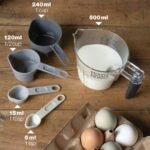
The Formula: 1 tbsp = 14.79 ml (rounded to 15 milliliters)
Tablespoons are bigger than teaspoons. In tandem, one tablespoon is three teaspoons.
Example: You should have 4 tablespoons olive oil. In milliliters:
4 tablespoons × 15 mL = 60 mL
Kitchen Hack: At least get used to the idea that 1 tablespoon = about 15 mL and you’ll never be fazed by liquid measure.
3. Fluid Ounces to Milliliters
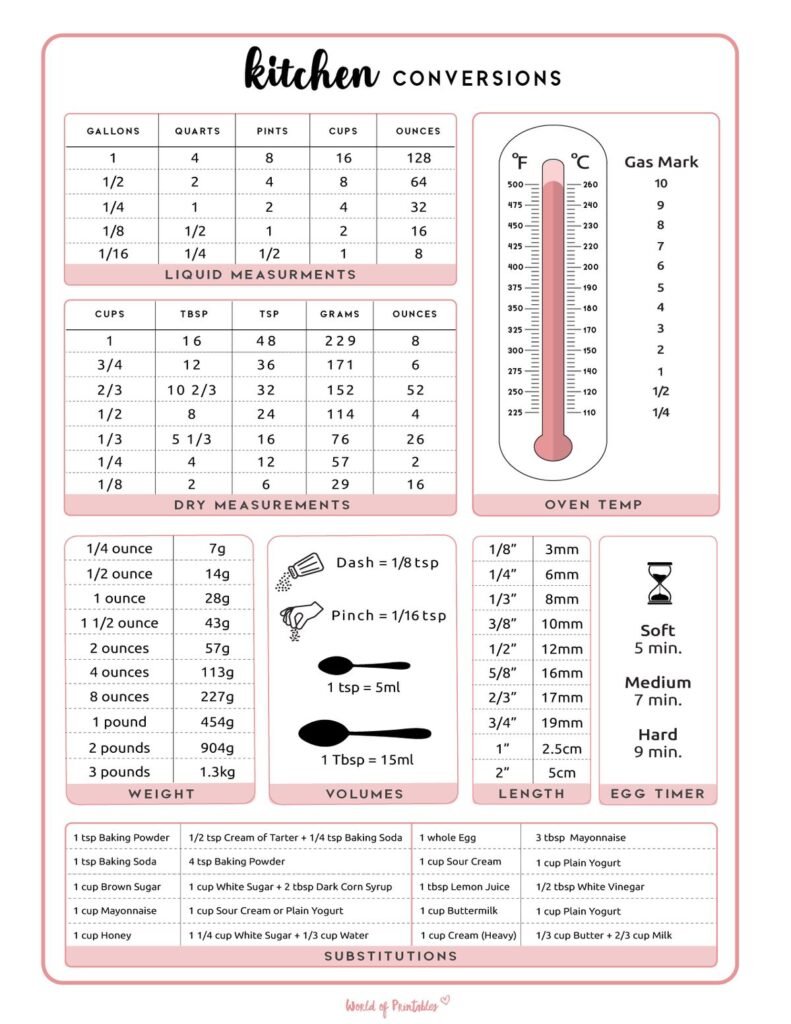
The Equivalents: 1 fl oz = 29.57 mL (usually rounded to 30 mL)
To make things more confusing, there are also regular ounces — weight not volume. They measure different things.
Example: A small bottle holds 8 fluid ounces. How many milliliters?
8 fl oz × 29.57 mL = 236.56 mL (approximately 237 mL)
Real Life Use: Water bottles and shampoo bottles tend to display this measurement on their labels.
4. Cups to Milliliters
The Rule: 1 cup = 236.59 milliliters (often approximated as 240 mL or 250 mL)
It’s a familiar sight in the American kitchen but baffles cooks from afar.
Example: A smoothie calls for 2 cups of milk. In milliliters:
2 cups × 240 mL = 480 mL
Note: Australian and Canadian cups are different to a US cup. Australian/Canadian 1 cup = 250 ml, American 1 cup = 240 ml. It’s worth checking which system your recipe follows.
5. Cups to Liters
The Formula: 1 cup = 0.237 liter (or approximately 0.24 L)
This is a great way of converting when you are looking to adjust down or have smaller quantities for your needs.
Example: You are making punch at the party and need 10 cups of juice. How many liters?
10 cups × 0.237 L = 2.37 L
Shopping Tip: If a recipe requires 4 cups of broth, purchase a liter (or quart) carton. That’s pretty good for what we use it for.
6. Pints to Liters
The Formula: 1 US pint = 0.473 liters (approximately 0.5 L)
In the United States, a pint is typically used as a volume measurement for milk, ice cream and beer.
Example: You purchase 2 pints of strawberries (when measuring liquid volume). In liters:
2 pints × 0.473 L = 0.946 liters (or, in other words, nearly a liter)
TIP: Two pints is roughly equivalent to one liter.
7. Quarts to Liters
The Formula: 1 quart is equal to 0.946 liters (or about 1 Liter)
The quart falls between pints and gallons in the imperial system.
Example: A recipe for soup asks for 3 quarts of vegetable stock. In liters:
3 qts × 0.946 L/qt = 2.84 L
Practical Application: In the USA motor oil is sold in quart sized containers, everywhere else it comes in liter bottles.
8. Gallons to Liters
The Formula: 1 gallon = 3.785 liters approximately
Note: Gallon is a separate unit of volume in the US customary and the imperial system followed in the U.K.
Gallons are used for measuring larger amounts of things like fuel, milk and water.
Example: The gas tank of your car has a capacity of 15 gallons; it’s less than full. How many liters?
15 gal × 3.785 L = 56.78L
Travel Note: International prices at the gas pump are per liter, not gallon. And this conversion will help you compare prices.
9. Milliliters to Fluid Ounces
The Conversion: 1 mL × 0.034 fl oz/mL = 0.034 fl oz
This inverted conversion comes in handy when you have metric measurements but need imperial.
Example: Medicine bottle is 100 ml. How many fluid ounces?
100 mL multiplied by 0.034 fl oz = 3.4 fl oz
Liquid medicines are often described in milliliters, but some measuring cups display only ounces.
10. Liters to Cups
The Formula: 1 liter = 4.227 cups (approximately)
This is the formula you need when converting metric to imperial.
Example: A bottle for water has a capacity of 1.5 liters. How many cups is that?
1.5 L × 4.227 cups = 6.34 cups
Hydration Tip: The “8 glasses a day” rule of hydration is about 2 liters, based on the most recent literature.
11. Liters to Gallons
The Formula: 1 liter = 0.264 gallons
This also comes in handy when purchasing fuel or large drinks.
Example: How many gallons in a 5 liter water jug?
5 L × 0.264 gallon = 1.32 gallons
Pool Care: Pool chemicals can come in gallons and pool volume may be in liters.
12. Milliliters to Teaspoons
The Formula: 1 ml = 0.203 teaspoons (or roughly, 0.2 tsp)
This last conversion brings us full circle to the smallest common kitchen scale.
Example: The dosage of a cough syrup is 10 mL. How many teaspoons?
10 mL × 0.2 tsp = 2 teaspoons
Parent Tip: Milliliters are more precise when measuring children’s medicine dosages than teaspoons.
Quick Reference Conversion Table
| From | To | Multiply By | Rounded |
|---|---|---|---|
| Teaspoon | Milliliters | 4.93 | 5 |
| Tablespoon | Milliliters | 14.79 | 15 |
| Fluid Ounce | Milliliters | 29.57 | 30 |
| Cup | Milliliters | 236.59 | 240 |
| Cup | Liters | 0.237 | 0.24 |
| Pint | Liters | 0.473 | 0.47 |
| Quart | Liters | 0.946 | 0.95 |
| Gallon | Liters | 3.785 | 3.8 |
| Milliliter | Fluid Ounce | 0.034 | 0.03 |
| Liter | Cups | 4.227 | 4.2 |
| Liter | Gallons | 0.264 | 0.26 |
| Milliliter | Teaspoons | 0.203 | 0.2 |
Common Mistakes to Avoid
Confusing Weight and Volume
Lots of people get confused and think fluid ounces are the same as ounces, which isn’t actually true. A fluid ounce of water weighs about an ounce, but that doesn’t work for all liquids. Because honey weighs more than water, 8 fluid ounces of honey will weigh more than 8 ounces.
Ignoring Temperature
Liquids grow larger when hot and shrink when cold. Most measurements of volume are based on room temperature, which is around 68°F or 20°C. It matters in both chemistry and adjusting for precision when you bake.
Using Dry Measuring Cups for Wet Ingredients
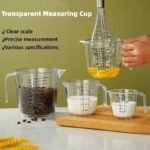
Dry measuring cups and liquid are two different tools. Liquid measuring cups have a spout and extra room at the top. They are more accurate for liquids.
Rounding Too Early
When converting multiple times (from teaspoons to milliliters to cups, say), round only at the last. Rounding at every step accumulates errors.
Practical Tips for Quick Conversions
Use Simple Ratios
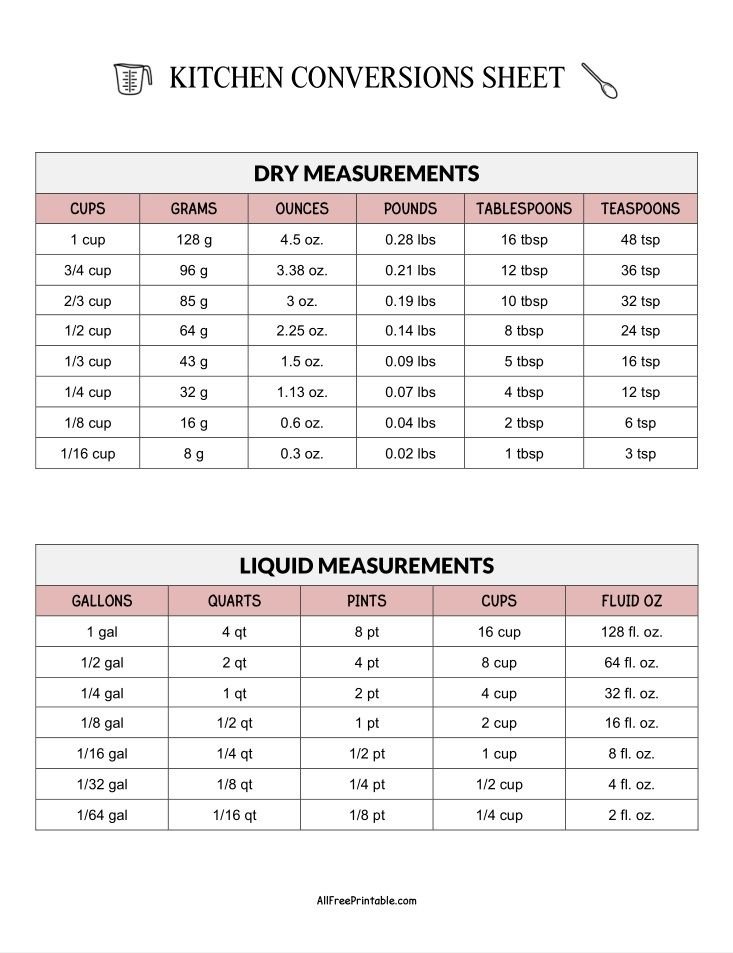
Ignore exact numbers, instead memorize a few easy ratios:
- 1 tablespoon ≈ 3 teaspoons
- 1 cup ≈ 16 tablespoons
- 1 pint ≈ 2 cups
- 1 quart ≈ 2 pints
- 1 gallon ≈ 4 quarts
Download a Conversion App
There are smartphone apps that can do the same conversion of volumes on the fly. They’re useful when you are in the middle of cooking and don’t care to think.
Keep a Conversion Chart in Your Kitchen
Print a conversion table and tape it to the inside of a cabinet door. You’ll save time and won’t make mistakes.
Learn the Metric System
If you’re used to imperial measurements (and let’s face it, we all are), then knowing a handful of basic metric units will unlock thousands of international recipes and prevent small children from using you in their physics experiments.
Real-Life Scenarios Where Conversions Help
Scenario 1: International Cooking
You see a fantastic Italian pasta recipe on the internet. It asks for 500 mL of vegetable broth, but you only have a measuring cup. With the conversion, you know that that’s about 2.1 cups. You measure 2 cups with a splash more.
Scenario 2: Science Experiments
Your chemistry assignment involves blending 150 mL of water with a substance. Your graduated cylinder is labeled with fluid ounces. You figure: 150 mL ÷ 29.57 = 5.07 fl oz.
Scenario 3: Medication Dosing
The physician orders medication to be given every 12 hours; 7.5 mL are prescribed per dose. Your medicine spoon shows teaspoons. You convert: 7.5 mL × 0.2 = 1.5 teaspoons.
Scenario 4: Car Maintenance
You are driving in Europe and you need to put two quarts of oil in your car. The store delivers its oil in liters. Your reckoning: 2 quarts × 0.946 = 1.89 liters, so you purchase a 2-liter bottle.
The Science Behind Volume Measurement
Volume is the amount of three-dimensional space that something occupies. For fluids and gases, we commonly measure volume using vessels of certain dimensions.
The metric measure of volume is graduated on water. 1 liter of water weighs 1 kilogram at exactly 4°C is a natural association as a result the metric system is much simpler to use in science.
The imperial system was the result of practical tools developed over centuries. Some of the containers held a cup. A gallon by the weight of wheat. These historical origins are also why imperial conversions seem so random compared to metric conversions.
Building Your Conversion Skills
Start Small
Start with the conversions you use frequently. If you cook often, learn teaspoons, tablespoons and cups first.
Practice With Real Items
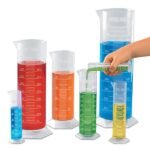
You’ll need a measuring cup and a kitchen scale. Pour water into a measuring container marked in milliliters. Your brain remembers better when it can see the actual volumes.
Make It a Game
Test yourself by estimating the conversion before calculating it! Through experience, you will gain a sense of how volumes relate.
Teach Someone Else
Teaching conversions to a friend or family member also strengthens your own understanding. And you’re doing a good deed, because you’ll also be helping someone else learn a useful skill.
Frequently Asked Questions
How can I convert one cup size to another, internationally?
US cups are 240 mL, while metric (used in Australia, Canada and New Zealand), is 250mL. It’s a small difference, but in baking it can matter. Be sure to consult which system your recipe uses, or rely on weight measurements for accuracy.
What difference does it make to have different gallon sizes?
The US gal. and the UK imperial gal. originated differently. Always make it clear whether you’re talking about imperial or US gallons when working internationally.
Can I use the same conversion for cooking by volume measurements and baking with liquids?
No. Dry measurements are not the same as liquid measurements since ingredients pack down. Use liquid measuring cups for liquids and dry measuring cups (the kind you can level with a knife) for things like flour and sugar.
How can small volumes best be measured?
For less than 50 mL, use a medicine syringe or graduated cylinder. Kitchen spoons can be off by 20 percent or more.
How many measurements of liquids are there in a water bottle?
The average bottled water size is usually 16.9 fluid ounces, 500mL. This became common because it is half a liter and thus convenient for measuring in metric countries.
Do I have to remember all these conversions?
No. Memorize the ones you use all the time and have a reference chart for others. People seem to have their standard kitchen conversions memorized and the rest they look up.
Why do some recipes include metric and imperial measurements?
They are used in most other culinary traditions, as well, so cookbook writers use both to ensure they are understandable around the world. It also minimizes conversion errors and simplifies cooking for all.
Could anyone tell me how accurate conversions need to be for cooking?
For most cooking, rounding to the closest 5 mL or quarter cup does just fine. Baking is more of a science because chemical reactions rely on perfect ratios.
Wrapping Up Your Conversion Journey
Volume measurement conversions help people from different traditions and cultures to come together. They assist you in cooking recipes from around the world, translating product labels and passing science classes. The 12 conversions in this guide are the ones you’re most likely to run across.
Begin your studies with the conversions that will affect you in your daily life. Keep the chart handy until you memorize the numbers! Keep in mind, rough estimates are fine for most purposes, but baking and science require precision.
For more helpful guides on measurement conversions, you can explore comprehensive resources that cover everything from volume to weight, temperature, and length conversions.
Now that you have these conversion tools in your brain toolkit, the next time you’re bombarded with questions of how measurements work in different places or cultures, nothing will confuse you. Whether you are doubling a recipe, purchasing goods overseas, or assisting with homework, you now know how to convert volume measurements easily and quickly!
The key is practice. The more you practice these conversions, the more automatic they will become. You’ll soon be looking at a recipe that says 500 mL and realize right away, without even having to ponder it for a second, you’re talking about 2 cups.
To learn more about the science and standards behind volume measurements, visit the National Institute of Standards and Technology (NIST), which maintains the official measurement standards in the United States.