










Why Weight Conversions Matter More Than You Think
Have you ever tried following a recipe from another country and gotten confused by the measurements? Or maybe you’re tracking your fitness goals and can’t figure out how to convert kilograms to pounds? You’re not alone.
Weight conversions are something we deal with almost every day, whether we realize it or not. From cooking and baking to shopping online from international stores, understanding different weight units can save you time, money, and plenty of frustration.
The problem is that most conversion guides are either too complicated or don’t give you practical shortcuts. That’s where these smart hacks come in. They’ll help you convert weights quickly in your head, use everyday objects for reference, and never mess up a recipe again.
Let’s explore five clever tricks that will make weight conversions feel like second nature.
Hack #1: The Quick Mental Math Formula
Memorizing conversion charts is boring and unnecessary. Instead, learn these simple formulas that work in seconds.
Converting Pounds to Kilograms the Easy Way
Here’s the standard conversion: 1 pound equals approximately 0.45 kilograms. But who wants to multiply by 0.45 in their head?
Try this instead: Divide the pounds by 2, then subtract 10%.
For example, if you have 20 pounds:
- 20 ÷ 2 = 10
- 10% of 10 = 1
- 10 – 1 = 9 kilograms
The exact answer is 9.07 kg, so you’re incredibly close!
Converting Kilograms to Pounds Without a Calculator
The reverse is just as simple. Since 1 kilogram equals about 2.2 pounds, use this trick: Double the kilograms and add 10%.
For 10 kilograms:
- 10 × 2 = 20
- 10% of 20 = 2
- 20 + 2 = 22 pounds
The actual conversion is 22.04 pounds. You just did it in your head in seconds!
Quick Reference Table for Common Conversions
| Pounds (lbs) | Kilograms (kg) | Kilograms (kg) | Pounds (lbs) |
|---|---|---|---|
| 1 | 0.45 | 1 | 2.2 |
| 5 | 2.27 | 5 | 11 |
| 10 | 4.54 | 10 | 22 |
| 20 | 9.07 | 20 | 44 |
| 50 | 22.68 | 50 | 110 |
| 100 | 45.36 | 100 | 220 |
Keep this table on your phone for instant access when shopping or cooking. For more detailed conversion tables and calculators, check out this comprehensive measurement conversion guide that covers all unit types.
Hack #2: Using Household Items as Weight References
Sometimes you don’t have a scale handy, or you just need a quick estimate. Using familiar objects as reference points makes conversions tangible and easy to remember.
Common Items and Their Weights
For Grams and Ounces:
- A standard paperclip weighs about 1 gram
- A nickel (US coin) weighs exactly 5 grams
- One slice of bread weighs roughly 28-30 grams (1 ounce)
- A stick of butter is typically 113 grams (4 ounces)
- A can of soda weighs 355 grams (12.5 ounces)
For Pounds and Kilograms:
- A bag of sugar is usually 2 pounds (about 1 kg)
- A standard laptop weighs 3-5 pounds (1.4-2.3 kg)
- A gallon of milk weighs about 8.6 pounds (3.9 kg)
- A bowling ball is typically 14-16 pounds (6.4-7.3 kg)
- A car tire weighs around 20-25 pounds (9-11 kg)
Creating Your Own Reference System
Pick five items you use daily and memorize their weights. This creates a personalized conversion system that works wherever you go.
For example, if you know your water bottle holds 16 ounces (1 pound or 0.45 kg), you can estimate other weights by comparing them to your bottle. Is something heavier than two water bottles? That’s roughly 2 pounds or 1 kilogram.
Hack #3: The Cooking and Baking Conversion Shortcuts
Recipes are one of the biggest reasons people need weight conversions. International cookbooks, online recipes, and family traditions from different countries all use different measurement systems.
Converting Recipe Measurements Like a Pro
Most baking requires precision, but cooking allows more flexibility. Here’s how to handle both.
Baking Conversions (Precision Matters):
When accuracy counts, use these conversions:
| Ingredient | Cups | Grams | Ounces |
|---|---|---|---|
| All-purpose flour | 1 cup | 120g | 4.2oz |
| Granulated sugar | 1 cup | 200g | 7oz |
| Brown sugar (packed) | 1 cup | 220g | 7.8oz |
| Butter | 1 cup | 227g | 8oz |
| Honey | 1 cup | 340g | 12oz |
Cooking Conversions (Estimates Work Fine):
For soups, stews, and casseroles, you can round:
- 500 grams ≈ 1 pound (it’s actually 1.1 pounds)
- 1 kilogram ≈ 2 pounds (it’s actually 2.2 pounds)
- 250 grams ≈ half a pound
The Flour Exception Rule
Here’s something many people don’t know: flour weight varies depending on how you measure it. Scooping flour directly with a cup compacts it, giving you more flour than the recipe intended.
Always spoon flour into the measuring cup and level it off with a knife. This prevents dense, heavy baked goods.
If a recipe lists flour in grams instead of cups, don’t convert—just weigh it. Your baking will improve dramatically.
Hack #4: Digital Tools and Apps That Make Life Easier
Technology can do the heavy lifting for you. The key is knowing which tools actually work well.
Best Free Conversion Apps
For Your Phone:
- Google Search: Just type “150 pounds to kg” directly in the search bar
- Unit Converter (Android): Offline functionality, no ads
- Converter+ (iOS): Clean interface, supports dozens of units
- Kitchen Calculator (Both): Designed specifically for cooking conversions
For Your Smart Speaker: Simply ask, “Hey Google, what’s 300 grams in ounces?” or “Alexa, convert 10 pounds to kilograms.”
Browser Extensions Worth Installing
If you shop online frequently from international stores, these extensions automatically convert weights on product pages:
- Automatic Unit Converter: Works on Chrome and Firefox
- Easy Unit Converter: Simple right-click conversion
Smart Scale Integration
Modern kitchen scales connect to apps that automatically convert and track measurements. They’re especially useful if you:
- Meal prep regularly
- Follow strict diet plans
- Bake professionally or as a serious hobby
For more information on choosing the right digital kitchen scale, visit the National Institute of Standards and Technology’s consumer guide.
Hack #5: The Visual Chart Method for Instant Recognition
Some people learn better with visual aids. Creating a personal conversion chart that you actually use is the final hack.
Building Your Custom Conversion Chart
Make a chart that reflects your needs. Don’t copy generic conversion tables that include units you’ll never use.
For Fitness Enthusiasts: Create a weight progression chart in both pounds and kilograms:
| Week | Pounds | Kilograms |
|---|---|---|
| 1 | 150 | 68 |
| 4 | 145 | 66 |
| 8 | 140 | 63.5 |
| 12 | 135 | 61 |
For International Shoppers: Make a quick reference for package weights:
| Ounces | Grams | Common Items |
|---|---|---|
| 1 oz | 28g | Letter |
| 4 oz | 113g | Smartphone |
| 8 oz | 227g | Cup of water |
| 16 oz | 454g | Standard package |
The Sticky Note Strategy
Put conversion reminders where you’ll see them:
- Inside kitchen cabinets (for cooking)
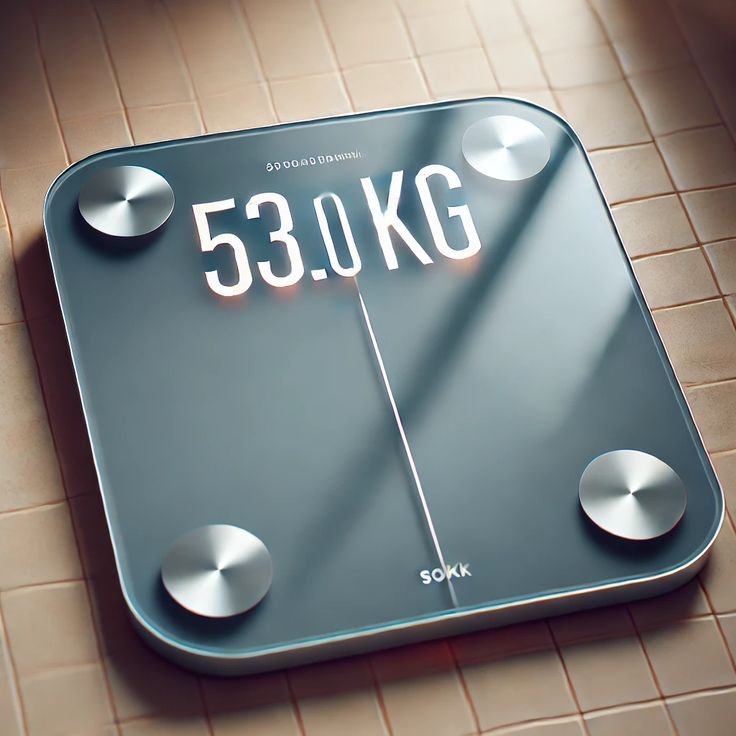
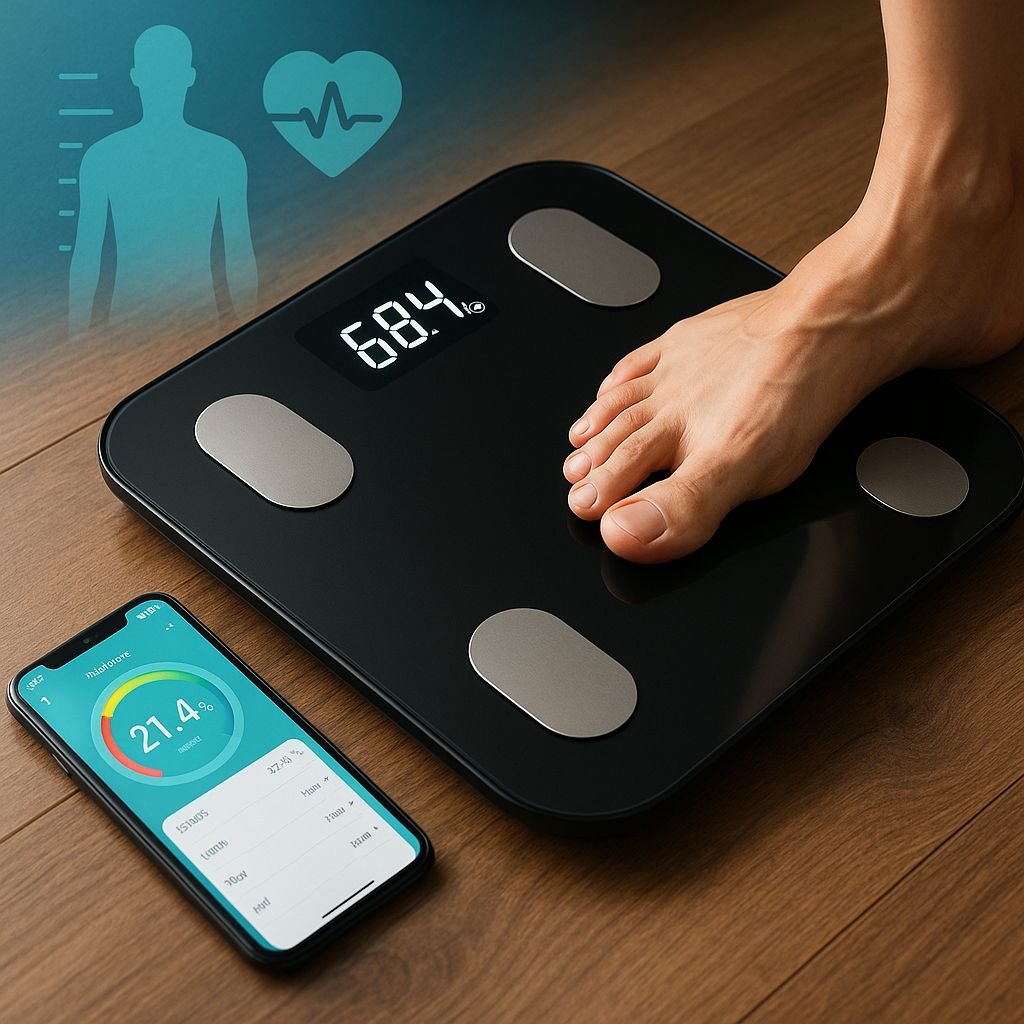
- On your bathroom scale (for fitness tracking)
- On your office desk (for shipping and packages)
Use color coding: blue for pounds/kilograms, green for ounces/grams.
Real-World Situations Where These Hacks Save the Day
Let’s look at how these conversion hacks work in everyday scenarios.
Scenario 1: Following an International Recipe
You find an amazing pasta recipe from Italy. It calls for 400 grams of flour, but you only have measuring cups.
Use Hack #3: Check the conversion table. One cup of flour is 120 grams. You need about 3.3 cups (400 ÷ 120). Round to 3⅓ cups.
Scenario 2: Tracking Weight Loss Progress
Your gym’s scale shows kilograms, but you’re used to thinking in pounds. You weighed 75 kg last month and 72 kg today.
Use Hack #1:
- 75 kg × 2 = 150, plus 10% = 165 pounds
- 72 kg × 2 = 144, plus 10% = 158.4 pounds
- You lost about 6.6 pounds!
Scenario 3: Shopping Online from the UK
You want to buy specialty tea online. The package is listed as 250 grams, and shipping costs depend on weight.
Use Hack #2: Remember that 500 grams is about 1 pound. So 250 grams is roughly half a pound. Shipping for items under 1 pound is usually the cheapest rate.
Common Mistakes People Make (And How to Avoid Them)
Even with hacks, certain errors trip people up repeatedly.
Mistake 1: Confusing Mass and Weight
Technically, kilograms measure mass while pounds measure weight. For everyday purposes, this doesn’t matter. But in scientific contexts, remember they’re not quite the same thing.
Mistake 2: Forgetting Ounces Come in Two Types
Fluid ounces measure volume (like water), while regular ounces measure weight. An ounce of feathers and an ounce of gold weigh the same, but they occupy different volumes.
Mistake 3: Over-Relying on Rounded Numbers
Quick mental math is great for estimates, but when precision matters (like in baking or medicine), use exact conversions or digital tools.
Mistake 4: Not Accounting for Container Weight
When weighing ingredients, remember to subtract the bowl or container weight (called “tare weight”). Most digital scales have a tare button for this.
Taking Your Conversion Skills to the Next Level
Once you’ve mastered these five hacks, here are some advanced tips.
Creating Conversion Flashcards
Make physical or digital flashcards with common conversions. Review them during idle moments—waiting in line, during commercial breaks, before bed.
The 30-Day Challenge
For one month, convert everything consciously. When you see weights on food packaging, in recipes, or at the gym, actively convert them using your preferred hack. After 30 days, it becomes automatic.
Teaching Someone Else
Nothing solidifies knowledge like teaching it. Show these hacks to a friend or family member. Explaining the methods reinforces your own understanding.
Frequently Asked Questions
How accurate are mental math conversion formulas?
Mental math formulas typically get you within 1-5% of the exact answer, which is close enough for most everyday situations. For precise needs like baking or science, use a calculator or digital scale.
What’s the easiest conversion to remember?
The easiest is probably that 1 kilogram equals approximately 2.2 pounds. From this single number, you can estimate most common conversions.
Do conversion apps work offline?
Some do, some don’t. Download apps specifically designed for offline use if you travel internationally or work in areas without internet access.
Why do some countries use different measurement systems?
The metric system (grams, kilograms) is used by most countries because it’s based on units of 10, making it easier for calculations. The United States still primarily uses the imperial system (ounces, pounds) for historical reasons.
Can I convert cooking measurements without a scale?
Yes, but it’s less accurate. Use volume measurements (cups, tablespoons) or the household reference items mentioned in Hack #2. For serious baking, invest in a kitchen scale—they’re inexpensive and dramatically improve results.
What’s the difference between a gram and a milligram?
A milligram is one-thousandth of a gram. There are 1,000 milligrams in 1 gram. This matters for medication dosages and precise scientific measurements.
Your Action Plan for Mastering Weight Conversions
You now have five powerful hacks that make weight conversions simple and practical. Here’s how to implement them starting today.
Week 1: Focus on Hack #1. Practice the mental math formulas daily until they feel natural.
Week 2: Identify your household reference items from Hack #2. Write them down and commit them to memory.
Week 3: Try a few international recipes using Hack #3. Experience how conversions improve your cooking.
Week 4: Set up the digital tools from Hack #4 on all your devices.
Ongoing: Maintain your visual chart from Hack #5 and update it as your needs change.
The beautiful thing about these hacks is that they work together. You might use mental math for quick estimates, check your visual chart when you need confirmation, and pull out your phone app when precision matters.
Weight conversions don’t have to be complicated or frustrating. With these five smart hacks, you’ll navigate between pounds and kilograms, ounces and grams, with the confidence of someone who’s been doing it their whole life.
Start practicing today, and within a month, you’ll wonder why weight conversions ever seemed difficult in the first place.